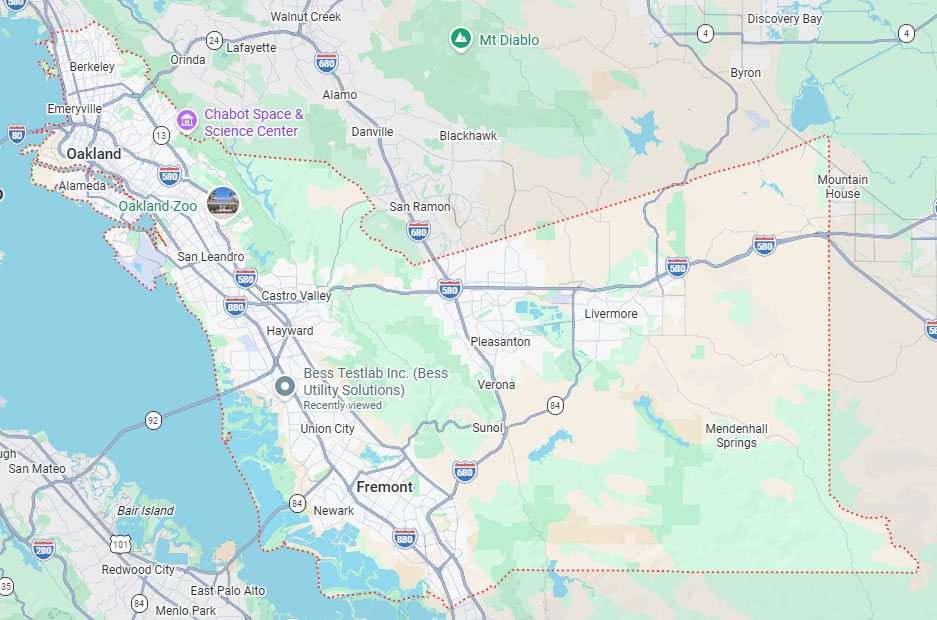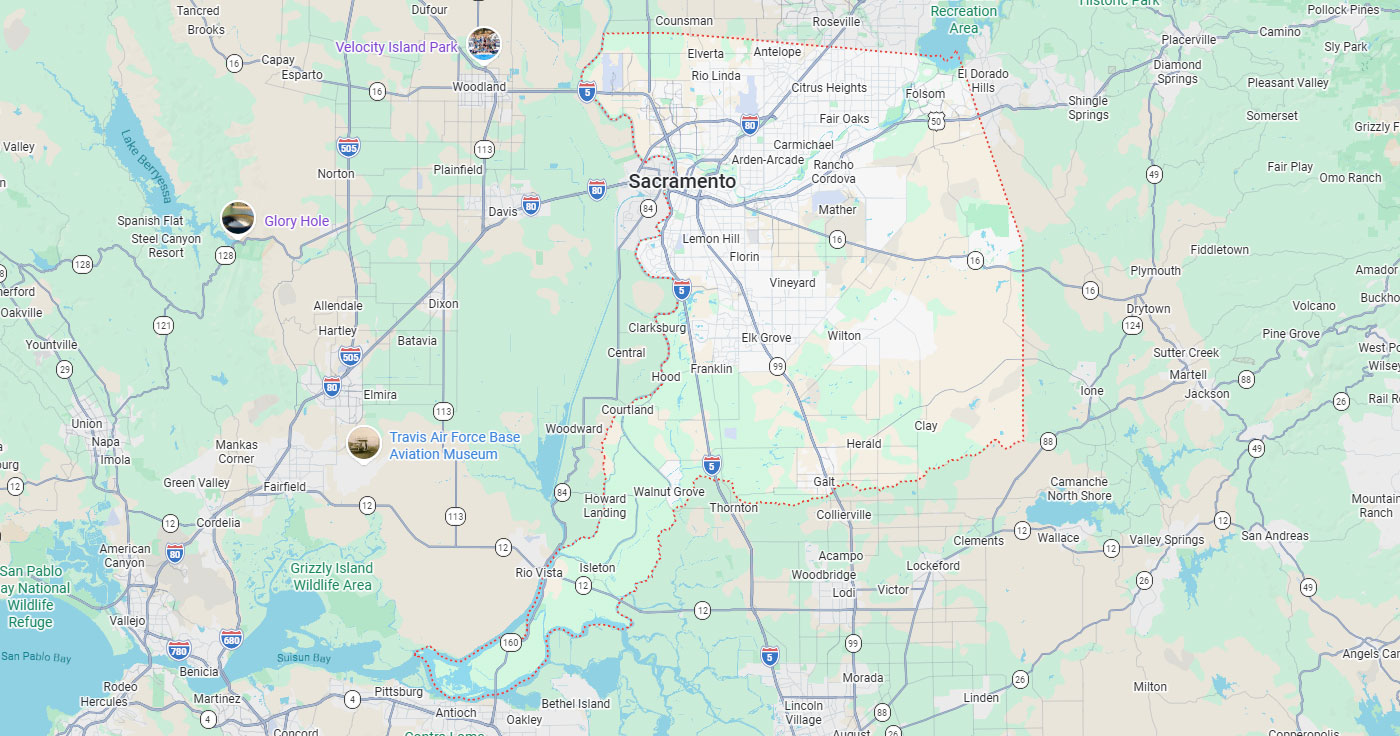
Hayward, CA
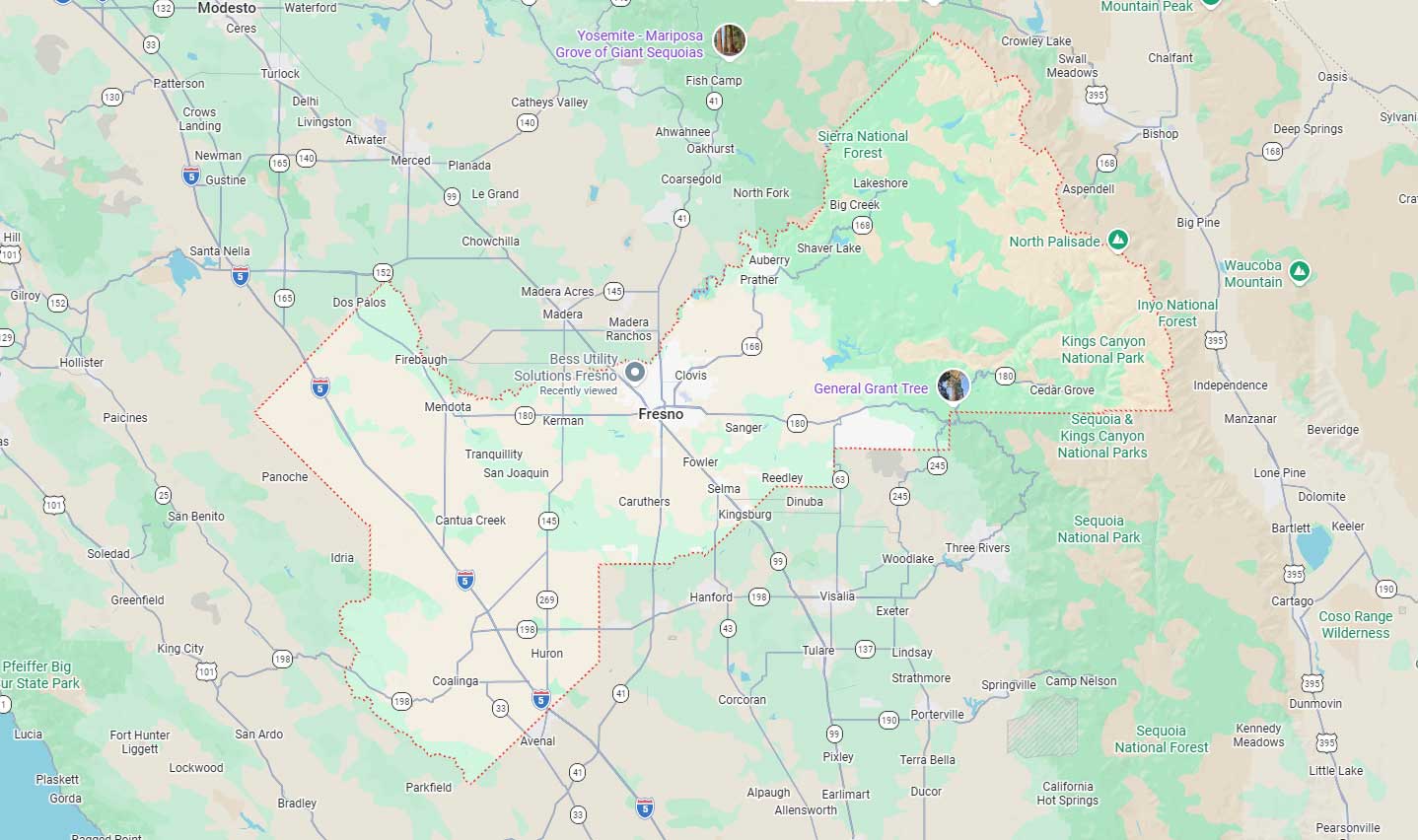
Fresno, CA
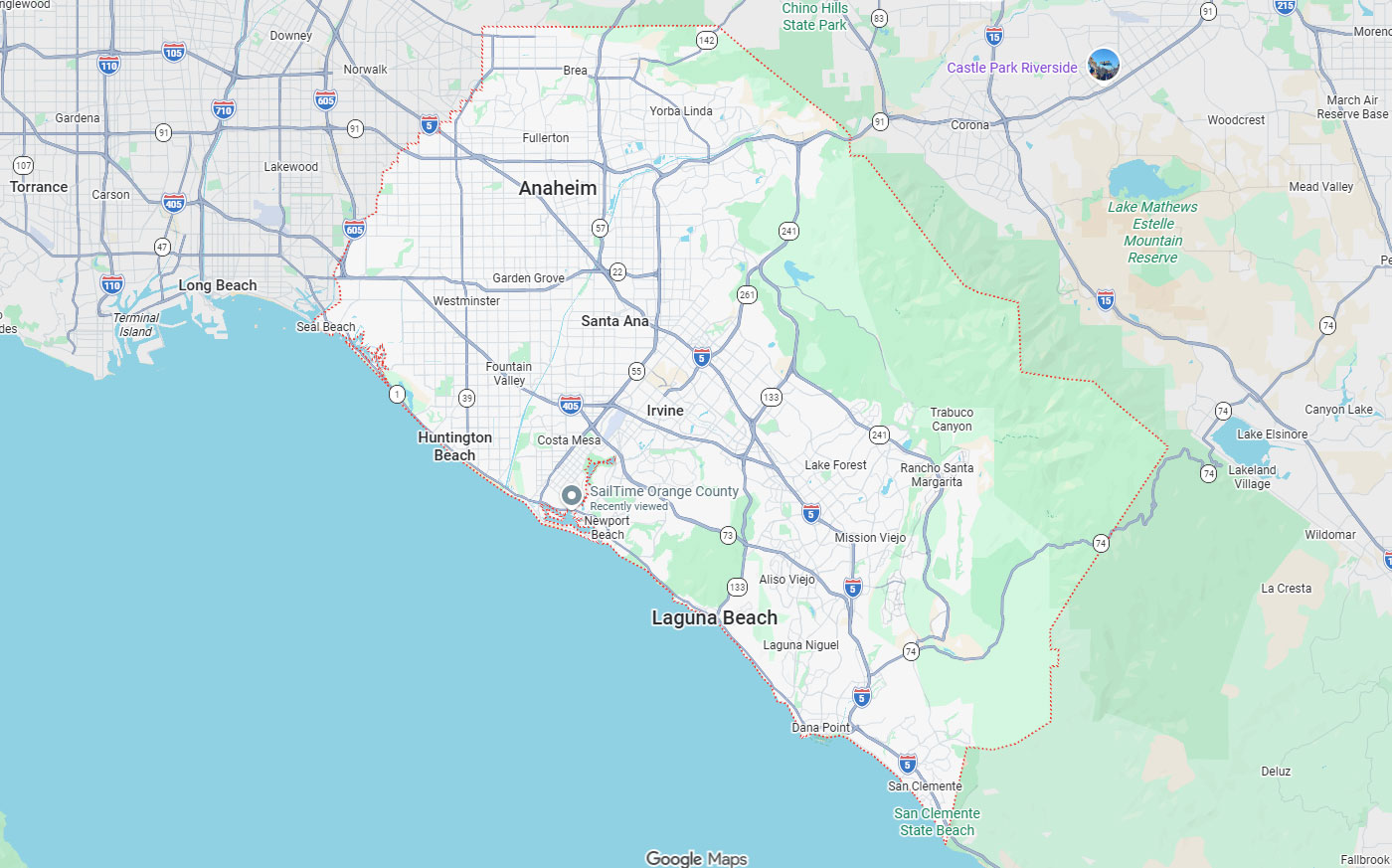
Orange, CA
Sacramento, CA
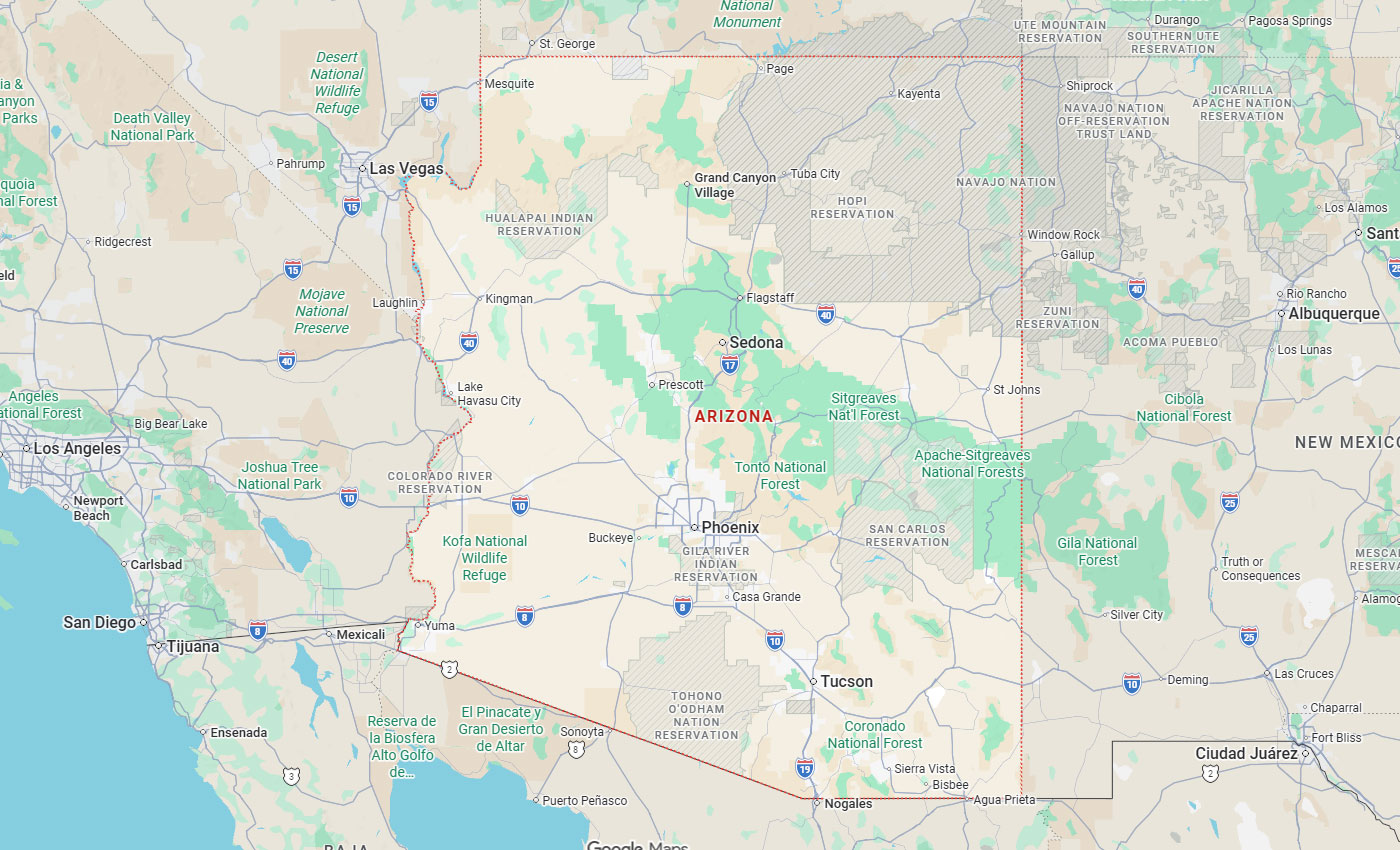
Phoenix, AZ
Key Takeaways
When starting a construction project, understanding the layout of underground utilities is crucial for the success and safety of the project. A pre-construction utility survey helps identify potential utility conflicts and avoids costly delays. To ensure you get the most accurate results, it's important to ask the right questions when working with utility locators.
In this article, we’ll guide you through essential questions to ask your locating team, ensuring your project starts on solid footing. We’ll also explain how pre-construction utility surveys contribute to better planning, reduced risk, and efficient site preparation.
A pre-construction utility survey is a comprehensive analysis of a construction site’s underground utilities. This survey helps identify utility lines, including gas, water, sewer, and fiber optic cables, to prevent accidental damage during construction. It involves the use of advanced technology like underground locating services to map out utility infrastructure, ensuring safety and regulatory compliance.
Before beginning construction, it’s essential to gather detailed utility maps and data to avoid utility relocations, conflicts, and safety issues. The survey’s goal is to give construction teams and utility owners clear insights into the site’s utility layout, supporting proper planning and site prep.
When hiring a utility locator for your project, asking the right questions ensures that your survey will provide the precise data needed for successful construction. Here are some essential questions to ask before the survey begins:
The accuracy of your pre-construction utility survey largely depends on the technology used for underground utility detection. Make sure the locating team employs reliable, advanced methods like Ground Penetrating Radar (GPR) or Electromagnetic Induction for utility locating surveys. Ask about the specific tools they use to map the utilities, ensuring you get quality results.
Utility surveys are classified by Quality Levels (A-D) based on the accuracy of the data. Quality Level A provides precise data about the exact location and depth of underground utilities, while Quality Level D offers a more general location of utilities. Knowing the level of detail you'll receive helps in planning and decision-making.
Construction projects often face utility conflicts, where new construction interferes with existing utility lines. A good utility locator should provide you with a utility conflict matrix, detailing potential clashes and offering solutions. Ensure that your team uses a comprehensive utility conflict list to minimize surprises during the project.
Soil conditions, including clay-containing soils and other geotechnical factors, play a major role in the accuracy of a utility survey. Ask how the team will assess soil type and include this data in the survey. Geotechnical reports and soil reports should be integrated into the findings to support accurate utility mapping and ensure safety during excavation.
High-quality, survey-grade mapping ensures that utility data is accurate and useful for construction teams. A reputable utility locator should provide detailed mapping using X-Y-Z data, allowing civil engineers and construction teams to integrate the information into site prep and construction plans.
Safety is a top priority on construction sites, and the right utility locator will follow OSHA trench safety guidelines and implement safe digging practices. Ask how the team ensures safety when locating and mapping utilities, especially in areas where heavy equipment will be used.
In addition to public utilities, private utility facilities may exist on the site. These could include utilities owned by property owners or other entities. It’s important to ask if the team handles private utility locates, ensuring all underground utilities are mapped before construction begins.
Knowledge of local utility systems is crucial, especially in specific regions like Arizona, where certain soil conditions or utility types may be common. Ask your locating team about their experience with utility surveys in your area, and ensure they’re familiar with local regulations, utility providers, and environmental concerns.
Sometimes, utilities need to be relocated or adjusted during construction. Ask your locator how they plan for potential utility relocations. Whether it’s coordinating with local utility providers or adjusting the construction schedule, having a clear plan is key to avoiding costly delays.
A pre-construction utility survey provides construction teams with the essential data they need to avoid damaging underground utilities. These surveys give you a clear understanding of your site’s utility layout, allowing you to plan excavation, digging, and utility installations. By preventing utility issues, you reduce the risk of costly delays, safety hazards, and potential damage to utility lines.
Moreover, thorough utility mapping helps with compliance and safety protocols. It ensures that contractors and construction teams are following the proper regulations, including right-of-way clearance, stormwater drainage requirements, and utility inspection procedures. It also supports the design phase by providing the necessary utility layouts for construction.
In areas like Arizona, where soil conditions can be challenging, utility surveys are especially important. Factors like soil type, drilling techniques, and grading techniques must be considered when planning construction.
Before any utility survey takes place, it’s essential to establish clear communication with your utility locator. Here’s a list of questions to ensure the survey meets your needs:
Asking these questions allows you to clarify expectations and ensure that your project proceeds without unexpected issues.
A comprehensive pre-construction utility survey is a crucial step in any successful construction project. By asking the right questions and ensuring your team uses the latest technology, you set your project up for success. If you’re ready to get started, contact us today at Bess Utility Solutions. We specialize in underground utility locating, providing accurate and reliable survey services for your next project. Let us help you navigate the complexities of utility infrastructure and ensure the safety and success of your site.