Hayward, CA
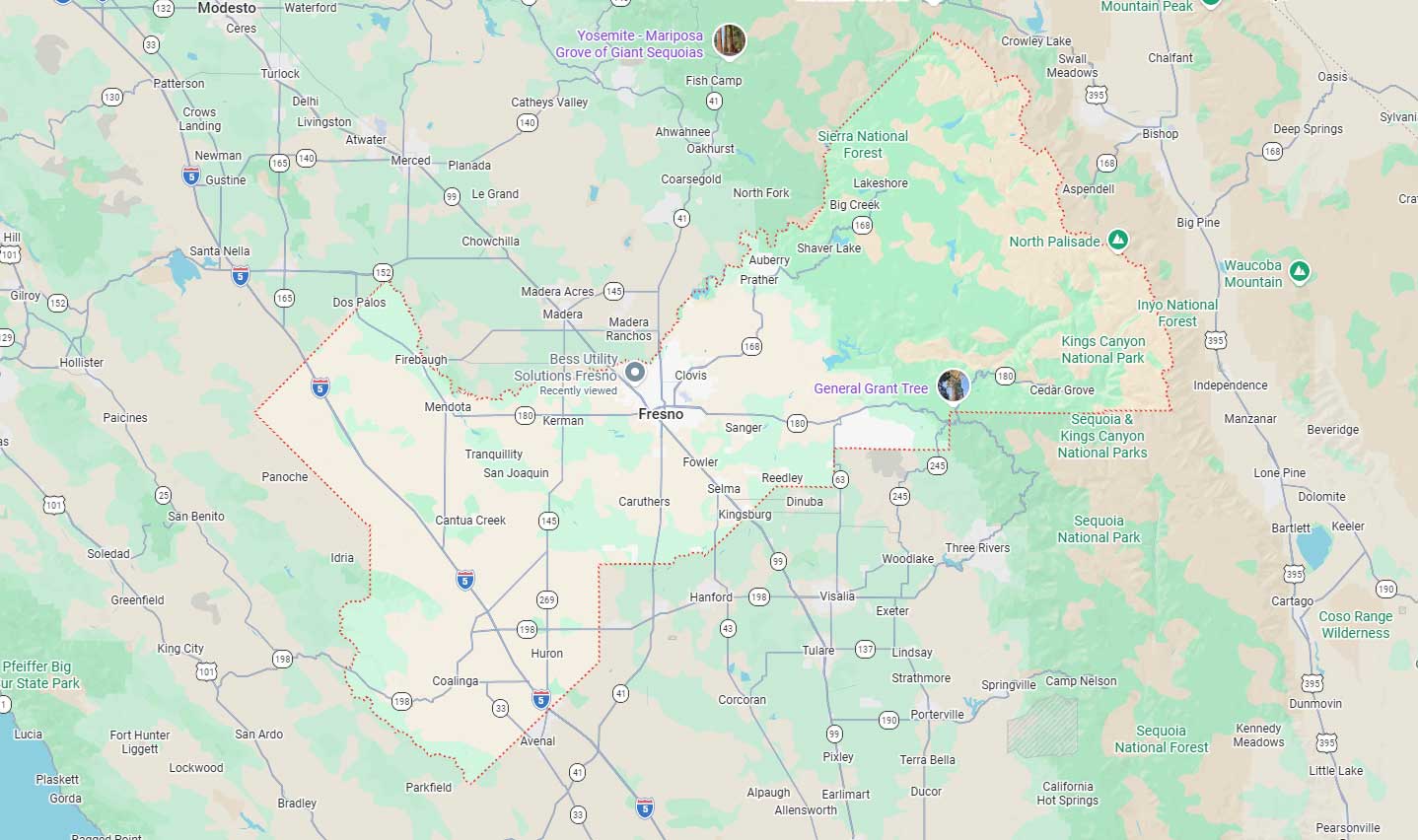
Fresno, CA
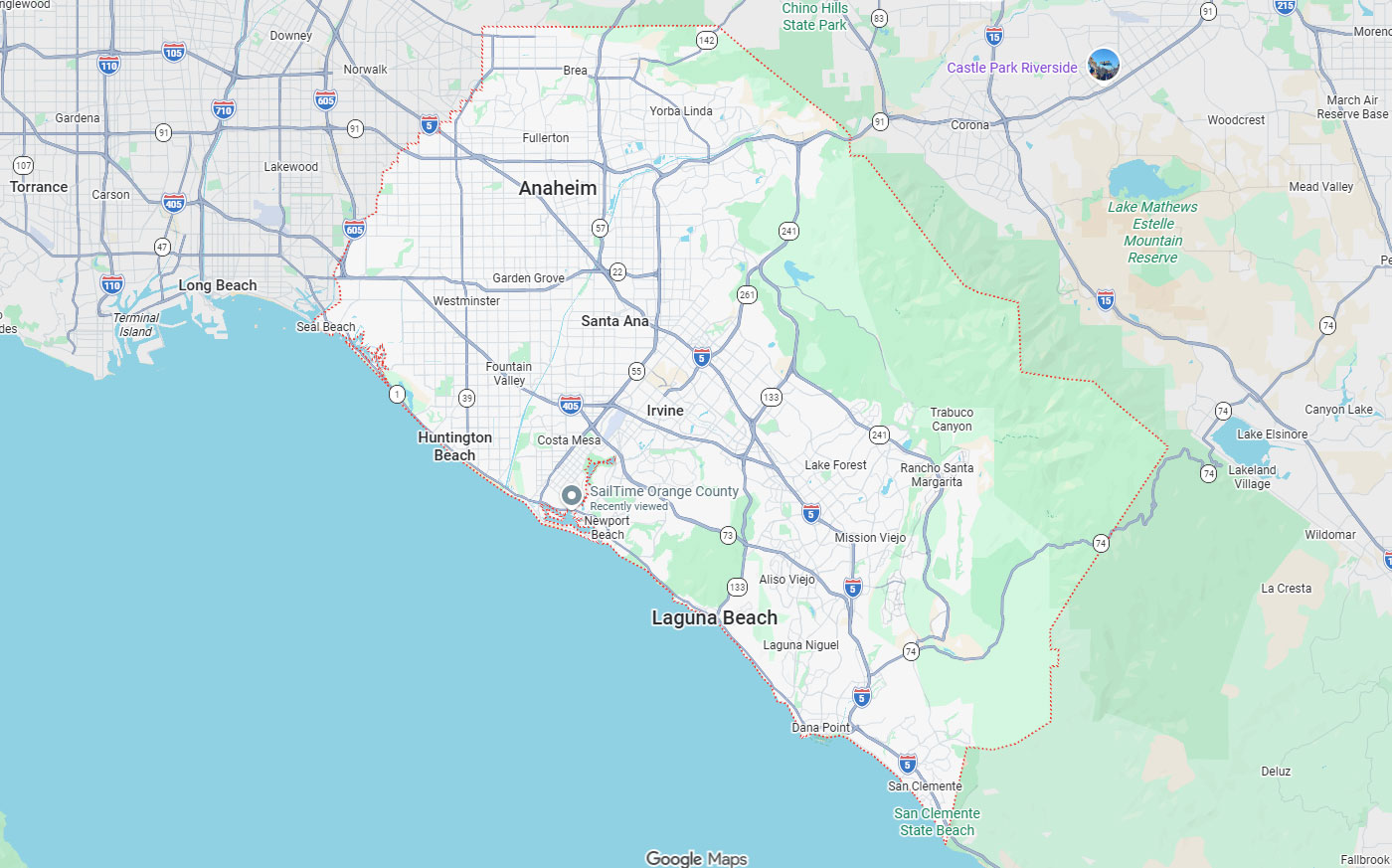
Orange, CA
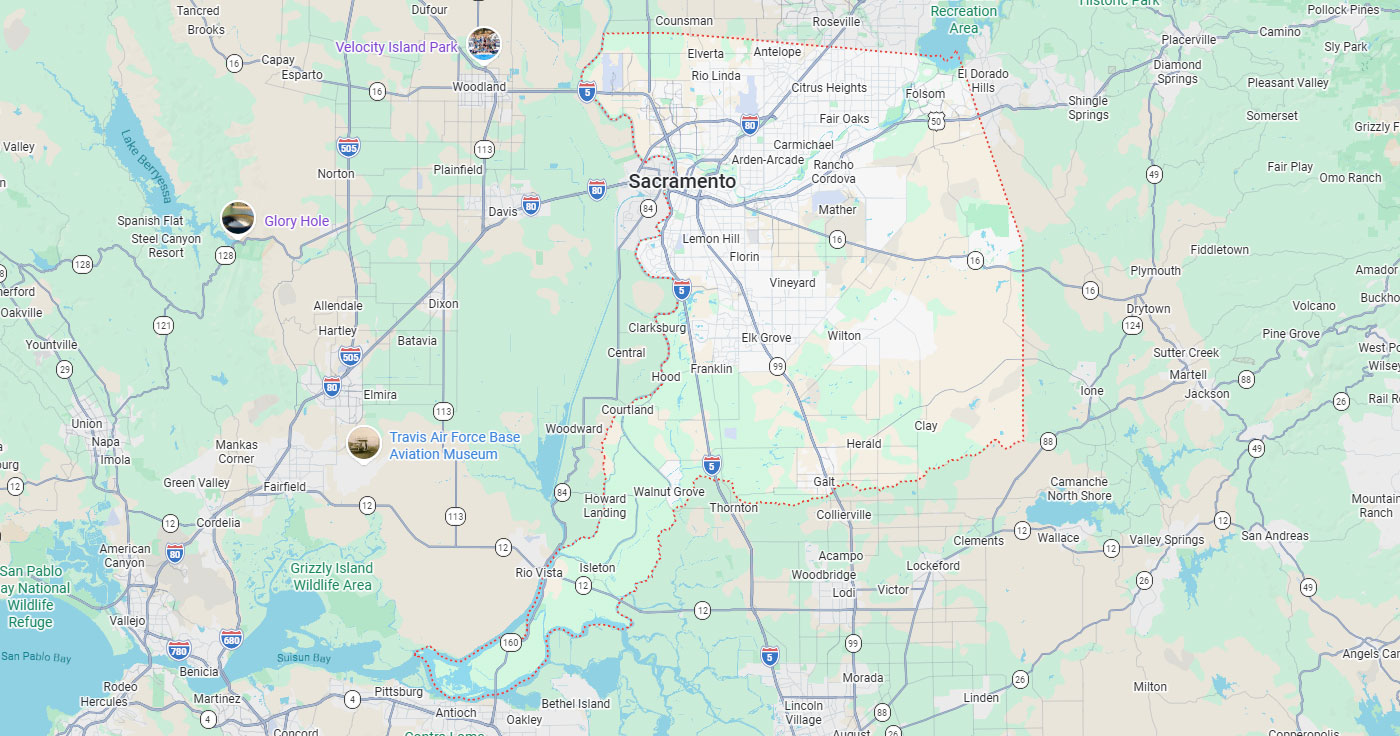
Sacramento, CA
Phoenix, AZ
Key Takeaways
Underground utilities create invisible hazards on every construction site. One wrong dig can rupture a gas line, sever fiber optic cables, or trigger weeks of project delays. Vacuum excavation eliminates most of that risk, but only when performed by qualified contractors with proper equipment and training. Choosing the wrong hydrovac service exposes your project to the same dangers you're trying to avoid.
This guide covers the five critical questions every commercial client should ask before signing a contract. You'll learn how to verify safety records, evaluate equipment specifications, compare pricing structures, and identify red flags that signal an inexperienced operator.
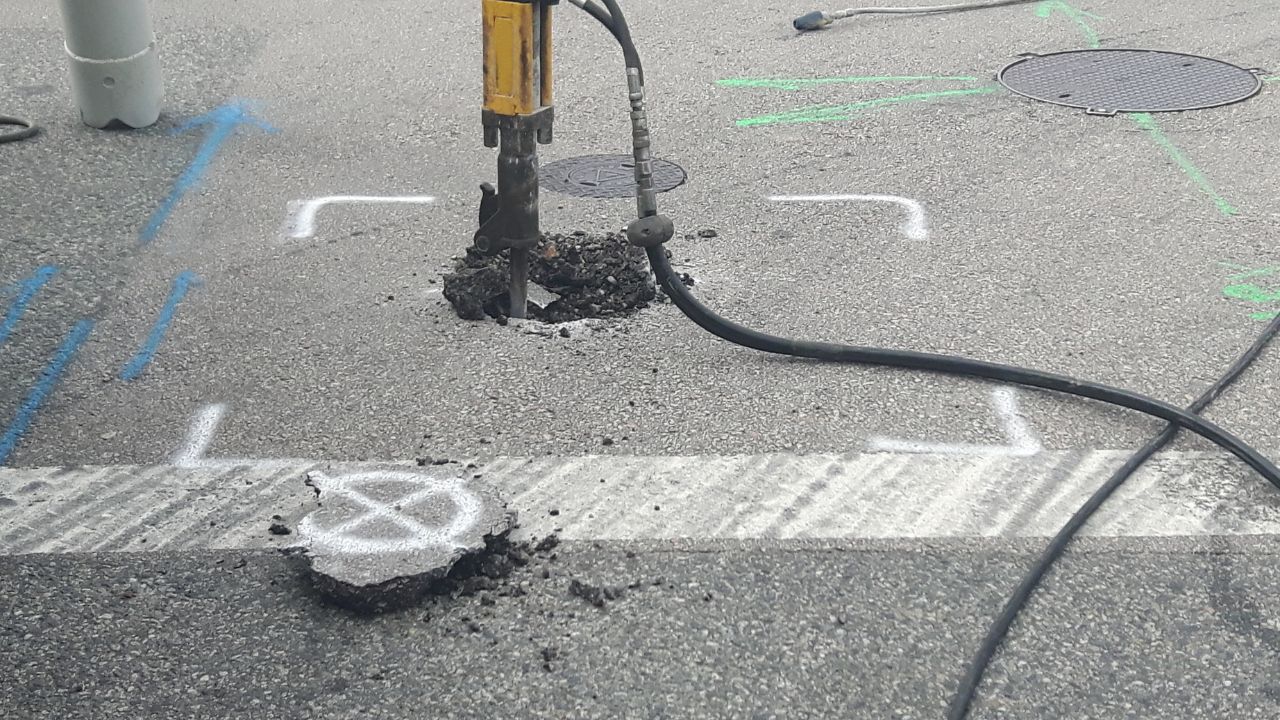
Vacuum excavation is the safest method for digging near underground utilities. The process uses pressurized water or air to break up soil while a powerful vacuum removes debris. Industry guidelines recognize vacuum excavation or potholing as equivalent to or safer than hand digging within the tolerance zone around buried facilities.
The numbers speak for themselves. Vacuum excavation has a 0.2% utility strike rate compared to 53.9% for mechanical excavation. Hydrovac crews complete 18-24 pits per day versus 4 pits with air-vac methods, a 450% productivity increase. Studies show an 89% reduction in personal injury accidents.
| Factor | Vacuum Excavation | Mechanical Excavation | Hand Tools |
| Utility Strike Rate | 0.2% | 53.9% | 20.5% |
| Productivity | 18-24 pits/day | Varies | 4 pits/day |
| Personal Injury Reduction | 89% reduction | Baseline | Higher risk |
Qualifications separate professional operators from liability risks. When choosing a vacuum excavation service, verify that credentials meet industry standards. Not every company with a vac truck can work safely around critical infrastructure.
Safety protocols prevent the damage contractors cause most often. Contractors are responsible for over 75% of utility strike damages. In 2023, contractors caused 83% of gas-related damages and 92% of telecom-related damages. Proper safety standards are non-negotiable.
Essential safety certifications:
Common hazards and mitigation:
Required safety protocols:
Equipment capability determines project success. The right machinery matches your site conditions and excavation requirements. Understanding how to hire excavation services means knowing what equipment specifications to verify before work begins.
Hydro-excavation and air-excavation serve different purposes. Hydro systems deliver higher productivity and handle frozen ground with heated water. Air systems produce dry spoil material but work more slowly. Most commercial projects benefit from hydro-excavation's speed and versatility.
| Factor | Hydro-Excavation | Air-Excavation |
| Productivity | 18-24 pits/day | 4 pits/day |
| Pressure/Method | 2,800-3,000 PSI water | Compressed air |
| Frozen Ground | Heated water option | Limited capability |
| Spoil Condition | Slurry | Dry material |
Key specifications to verify:
Maintenance requirements:
Understand the pricing structure before comparing quotes. Hourly rates tell only part of the story. A contractor charging $300/hour who removes 2 yards per hour costs $150/yard. Compare productivity rates, not just hourly prices. Request a detailed quote that itemizes all project costs.
Pricing benchmarks:
Common quote components:
Cost increase scenarios:
Payment terms:
Utility protection starts before the first dig. Between 400,000 and 800,000 utility strikes occur annually in the U.S. Each strike averages $4,000 in direct damages but $56,000 in total impact when accounting for indirect costs, a 29:1 ratio. The good news: 76% of strikes are preventable with proper protocols. Learn more about choosing a utility locating company for projects in Arizona.
| Method | Accuracy | Application |
| 811 "Call Before You Dig" | Baseline | Required first step |
| Potholing (Vacuum) | Visual confirmation | Verify before large-scale work |
| Ground-Penetrating Radar | High | Comprehensive subsurface mapping |
Best practices for safe utility exposure:
Inexperience costs more than the savings on a lower bid. Backhoes cause nearly 50% of all utility damages. Since 2000, utility strikes have killed over 400 workers and injured more than 2,000. Vacuum excavation service hiring decisions directly impact project safety and outcomes.
Potential risks:
Long-term consequences:
Responsible contractors plan for community and environmental effects. Vacuum excavation generates slurry, noise, and traffic disruption. Professional operators have protocols to minimize impact on surrounding areas and meet regulatory requirements.
Waste management strategies:
Minimizing disruption:
Environmental compliance:
Systematic comparison reveals the best value. Create a scoring matrix using the criteria from these five questions. Weight, safety, and qualifications are higher than cost, the cheapest bid rarely delivers the lowest total project expense.
Comparison criteria:
Factors beyond cost:
The right contractor protects your project from costly delays and dangerous incidents. Use these five questions as your evaluation framework. Document everything before signing a contract.
Pre-contract checklist: Verify CDL credentials, insurance certificates, and EMR rating before negotiations begin. Review OSHA 300/300A logs and written Safety Program documentation for the past three years. Confirm operator certifications match the tiered system standards. Tier II requires 1,000 hours, Tier III requires 5,000 hours. Ensure all costs are itemized in the scope of work, including mobilization, disposal, permits, and restoration.
Signs of a reliable contractor: Professional hydrovac companies communicate clearly and answer questions without hesitation. They maintain an EMR below 1.0 with verifiable references from similar projects. Their crews follow a tiered operator system with documented certifications. Pricing is transparent and all-inclusive with no hidden fees.
Reasons to walk away: Vague quotes or prices significantly below market rate signal missing services or future cost surprises. Contractors without documented Safety Programs or training certifications create liability exposure. Evasiveness about safety records, EMR ratings, or past incidents indicates problems. Poor reviews or evidence of utility damages should disqualify any contractor from consideration.
Ready to discuss your next excavation project? Contact Bess Utility Solutions for a transparent quote from certified hydrovac professionals.