811 only marks public utilities to the meter; private facilities (irrigation, septic, post-meter lines) require separate private locating, yet 30%+ of projects have these unmarked utilities.
62% of utility strikes are preventable contractor errors, failure to notify 811 (29%), and improper excavation practices (33%) cause the majority of damages, costing $50,000-$1 million+ per incident.
Tolerance zones are ±18-24 inches, not exact locations; 811 marks are approximate; excavators must pothole using hand tools or vacuum excavation within tolerance zones to prevent strikes.
Private locating provides 90-95% strike risk reduction, costing $300-$2,500 per project with an ROI of 20:1 to 100:1. Private locating pays for itself by preventing a single incident.
Stop-work triggers save projects; unmarked utilities, mismatched marks, expired tickets, or faded markings require immediate pause and resolution before continuing excavation.
Every excavator knows the drill: call 811 before you dig. It's federal law, it's common sense, and it's the foundation of damage prevention excavation programs. But here's what most contractors don't realize: calling 811 is necessary, but it's not sufficient. The 811 system marks only public utilities, the main lines running to your meter, leaving a critical blind spot for private facilities that exist on 30%+ of projects. This gap costs the industry hundreds of millions annually in preventable strikes, with individual incidents ranging from $50,000 to over $1 million.
The CGA Index rose from 94.0 in 2023 to 96.7 in 2024, signaling that damages are increasing despite decades of awareness campaigns. The problem isn't that contractors ignore 811, it's that they don't understand what 811 doesn't cover.
This guide breaks down the common 811 mistakes excavators make when relying only on the one-call system, explains what the system actually provides versus what it doesn't, and outlines a practical "beyond 811" workflow that prevents strikes, protects crews, and preserves project budgets.
The 811 Gap That Leads To Strikes
Calling 811 is mandatory, but it's not comprehensive. The system marks only public utilities, the main lines running to your meter, leaving a critical blind spot for private facilities. This gap creates preventable damage: 62% of all utility strikes stem from two contractor errors: failure to notify 811 (29%) and improper excavation practices (33%). The CGA Index rose from 94.0 in 2023 to 96.7 in 2024, signaling that damages are increasing despite decades of "Call Before You Dig" campaigns.
Average strike cost is $50,000-$75,000; major incidents exceed $1 million. The pattern is clear: 811-only approaches leave excavators exposed on 30%+ of projects where private utilities exist.
What 811 Actually Covers (And What It Doesn't)
An 811 notification triggers marking of public utilities only: gas, electric, water, sewer, and telecom main lines up to the meter or service connection point. Facility owners must respond within 48-72 hours (state-mandated), but marks are approximate, not exact. The tolerance zone is ±18-24 inches, and 811 locators do not provide depth information. Private utilities past the meter are the property owner's responsibility and require separateprivate locating services.
This includes irrigation systems, septic tanks and drain fields, post-meter gas or electric branch lines, well water lines, and outdoor lighting circuits, facilities present on most commercial, industrial, and residential properties.
811 Marks (Public Utilities)
NOT Marked (Private/Property Owner Responsibility)
Well water lines, outdoor lighting, private electrical to outbuildings
Response required by law
Property owner must hire private locator
The 10 Most Common 811-Only Mistakes That Cause Strikes
These excavation error utility marks map directly to the CGA's root cause data and account for the majority of preventable damages. Each represents a gap between what excavators assume 811 provides and what it actually delivers.
Starting Before All Positive Responses Received Field reality: Crew mobilizes when "most utilities are marked." Why it fails: The unmarked facility is usually the one you strike. Cost: $50,000-$300,000.
Assuming Marks Are Exact Locations Field reality: Digging mechanically right up to the paint line. Why it fails: Tolerance zone is ±18-24 inches, utility could be 2 feet away from the mark. Cost: $50,000-$200,000.
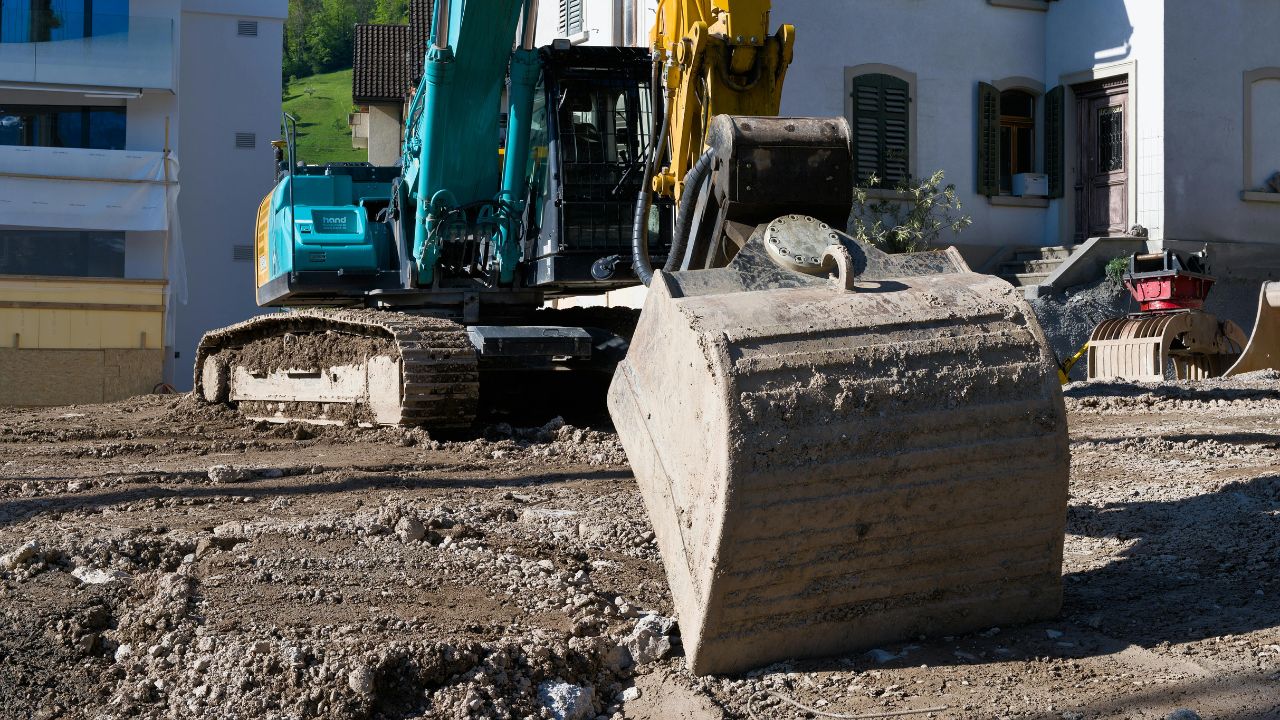
Not Potholing Within Tolerance Zones Field reality: Using backhoe/excavator within tolerance zone instead of hand tools orvacuum excavation. Why it fails: CGA Best Practice 5-20 requires non-mechanized methods within tolerance zones, violating this is the leading cause of excavation practice damages (33%). Cost: $75,000-$1 million+.
Ignoring Private Utilities Field reality: Proceeding after 811 marks public utilities, assuming "everything" is covered. Why it fails: 30%+ of projects have irrigation, septic, or post-meter lines that 811 does not locate. Cost: $25,000-$100,000.
Working With Expired Or Faded Marks Field reality: Tickets valid 14-28 days (state-specific); marks faded by rain/traffic but crew proceeds. Why it fails: Expired ticket eliminates legal protection; faded marks mean digging blind. Cost: $10,000-$200,000.
Ignoring Depth Uncertainty Field reality: Assuming utility depth without verification. Why it fails: 811 does not provide depth data, utility marked at surface could be buried at 12 inches or 12 feet. Cost: $50,000-$500,000.
Digging Outside White-Lined Area (Scope Creep) Field reality: Extending excavation beyond original ticket boundaries without updating 811 notification. Why it fails: Utilities outside the original locate area are not marked. Cost: $50,000-$150,000.
Weak Crew Communication Field reality: Foreman has ticket information, but the equipment operator in the cab doesn't know where utilities are. Why it fails: Operator lacks awareness of tolerance zones and utility locations. Cost: $50,000-$300,000.
Failing To Stop When Marks Conflict With Field Conditions Field reality: Finding unmarked pipe or cable but continuing work to meet schedule. Why it fails: Conflicts signal inaccurate records or unmarked facilities, continuing to put the crew in a blind zone. Cost: $50,000-$150,000.
Poor Documentation Field reality: No photos of marks, ticket number, or white-lining before excavation begins. Why it fails: Cannot prove due diligence if strike occurs, converts $50,000 repair into $500,000 liability exposure. Cost impact: $100,000-$500,000.
The "Beyond 811" Prevention Workflow
A practical, repeatable process prevents these mistakes and closes the 811 gap. This seven-step workflow integrates safe digging compliance with utility locating verification potholing and field-level safety protocols.
Before Calling 811:
Define full excavation scope and white-line boundaries with paint or flags
Ask property owner about private utilities (irrigation, septic, post-meter systems)
Determine if private locator needed (required for private property work)
After Marks Are Placed:
Verify all facility owners provided positive response before starting work
Walk site and photo-document: ticket number, white-lining, marks, any discrepancies
Identify tolerance zones (facility width + 18-24 inches each side)
Before Mechanical Excavation:
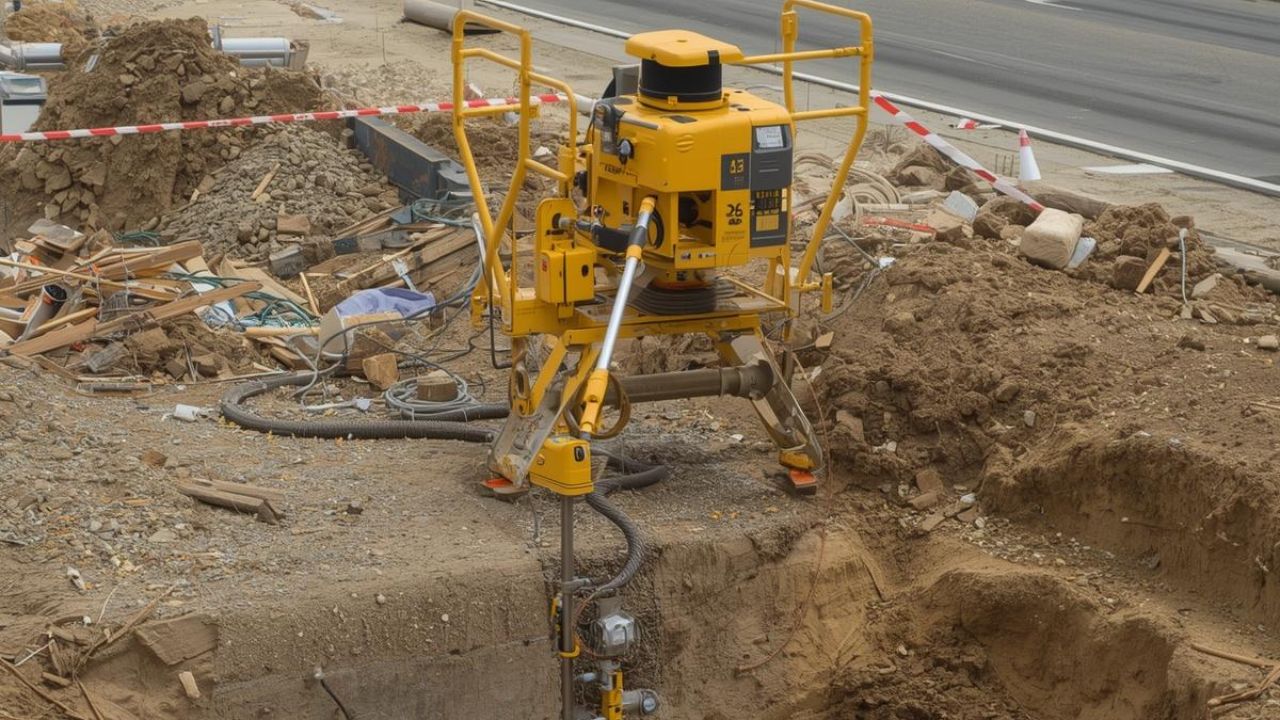
Pothole/daylight utilities within tolerance zones using hand tools or vacuum excavation
Confirm location, depth, and type at crossings and conflict points
Brief crew daily on verified utility locations and stop-work triggers
During Excavation:
Maintain clearance; re-mark if marks disturbed by weather, traffic, or grading
Track ticket validity (14-28 days state-specific), renew before expiration
Document exposures, crossings, and any conflicts immediately
Stop-Work Trigger
What To Do
Unmarked utility found
Stop immediately; contact facility owner and 811; request field meet
Marks don't match field conditions
Pause; verify by exposure where safe; request re-mark if needed
Excavation extends beyond white-lined area
Stop; submit new ticket with updated boundaries; wait for new marks
Ticket expired or marks faded/unclear
Stop; renew ticket or request re-mark; document issue with photos
When Private Locating Becomes Essential
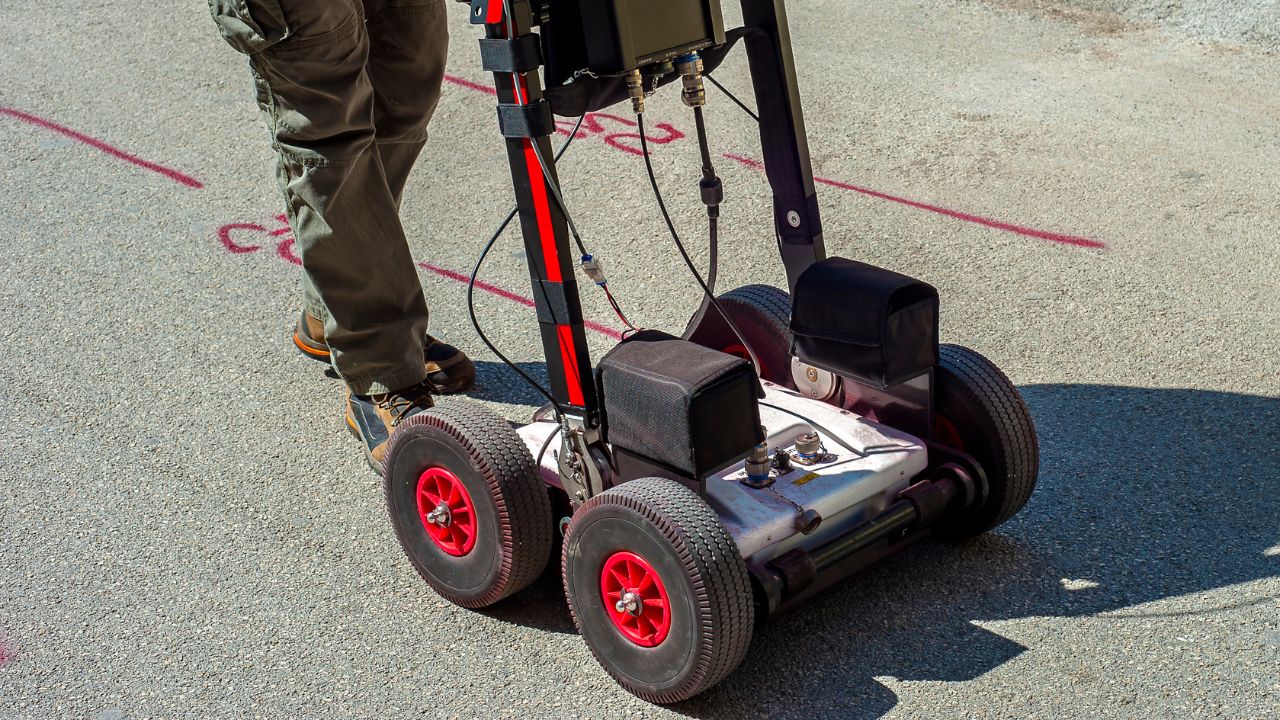
Private utility locating costs $300-$2,500 per project but reduces strike probability by 90-95%. The ROI is compelling: 20:1 to 100:1, and avoiding a single strike pays for dozens of private locates. Even factoring in the upfront cost, contractors see expected net savings of $1,000+ per project through reduced risk exposure. Insurance carriers recognize this value: contractors with documented dual-locating protocols (811 + private verification) receive 10-25% premium reductions.
The math is clear: private locating is not an added expense; it's risk mitigation that pays for itself on the first avoided incident.
Hire A Private Locator When:
Excavating on private property (commercial, industrial, residential)
Irrigation, septic, or post-meter utilities are suspected
Congested urban corridors or high-consequence facilities (hospitals, data centers)
Design-phase work requiring ASCE 38-22 Quality Level B or A data
811 reports utilities as "unlocatable" or records are poor/outdated
Five Actions To Prevent 811-Only Strikes
Calling 811 is mandatory, but it's not sufficient. The system covers public utilities only, leaving private facilities, depth uncertainty, and tolerance zone risks unaddressed. Contractors who rely exclusively on 811 operate with incomplete information on 30%+ of projects, exposing themselves to $50,000-$1 million+ strike costs that are entirely preventable.
Five Critical Actions To Prevent 811-Only Strikes:
Always call 811 first, it's the law and mandatory first step, but recognize it only covers public utilities up to the meter
Assess for private utilities, if on private property, assume irrigation/septic/post-meter lines exist and hire a private locator
Pothole within tolerance zones, use hand tools or vacuum excavation within ±18-24 inches of marks; never dig mechanically in tolerance zones
Verify before every dig, confirm all responses received, marks legible, ticket valid; document with photos before excavation begins
Stop and escalate conflicts immediately, unmarked utilities, mismatched marks, or unclear conditions require a pause and resolution before proceeding
By following this workflow, contractors move beyond compliance to comprehensive damage prevention, protecting crews, budgets, and reputations while avoiding the $50,000-$1 million+ cost of preventable strikes. The 811-plus-private approach is the industry standard for professional excavators who understand that thoroughness costs less than negligence.
Need help implementing a damage prevention program for your projects?Contact Bess Utility Solutions for expert private locating services that close the 811 gap.
We prioritize clear communication and reliable solutions to meet your specific requirements. Get in touch with us today, and let's work together to ensure the safety and efficiency of your projects.
We prioritize clear communication and reliable solutions to meet your specific requirements. Get in touch with us today, and let's work together to ensure the safety and efficiency of your projects.