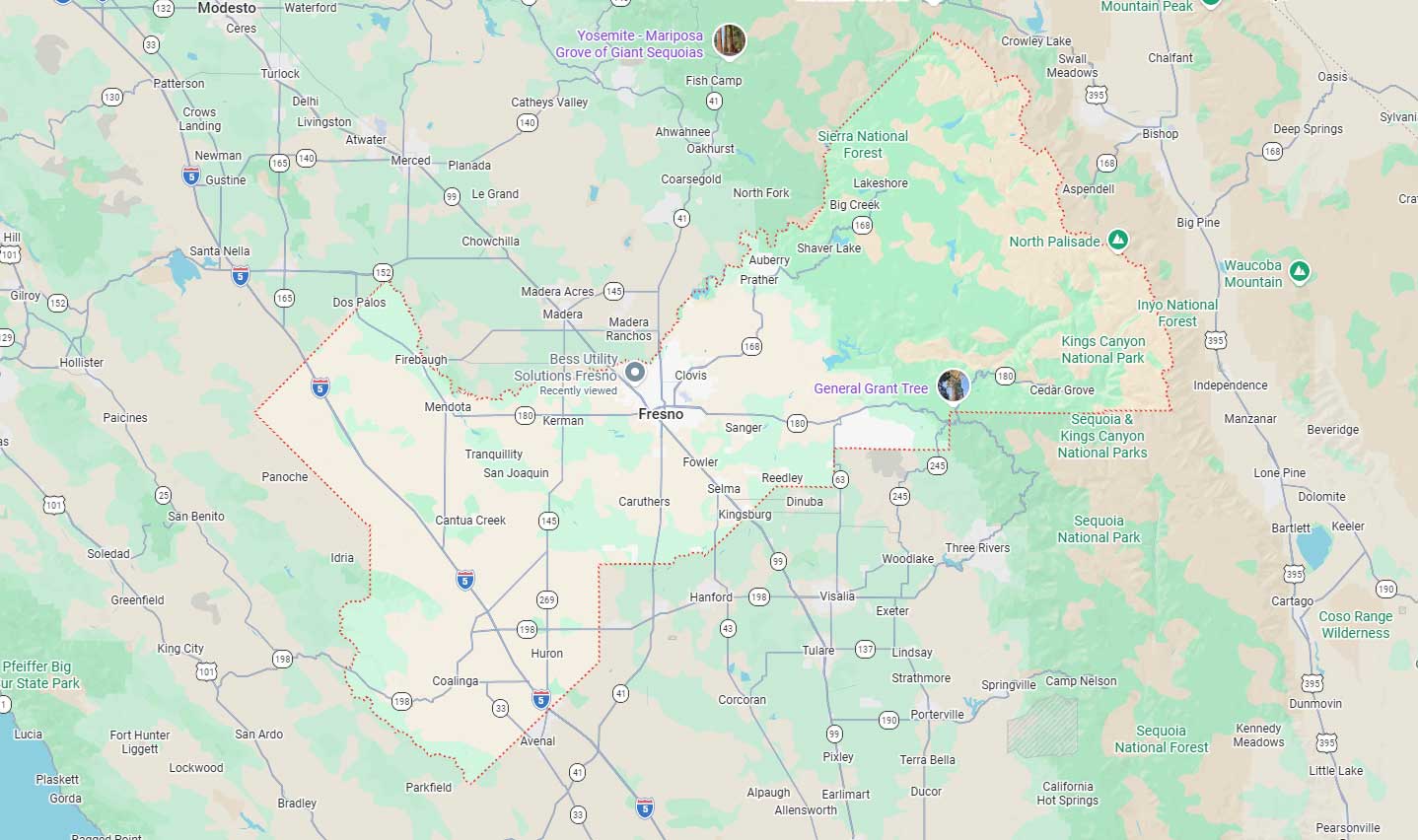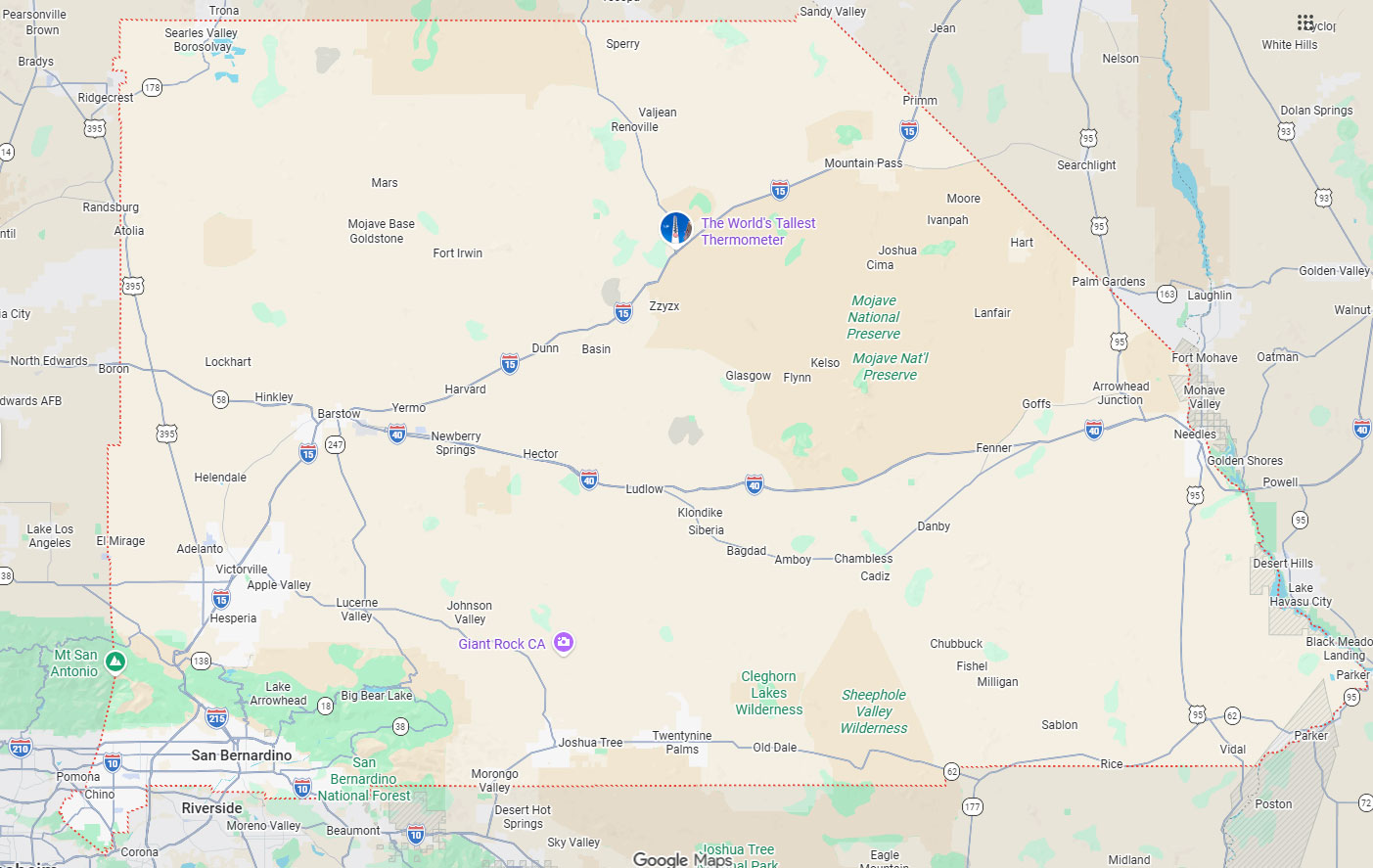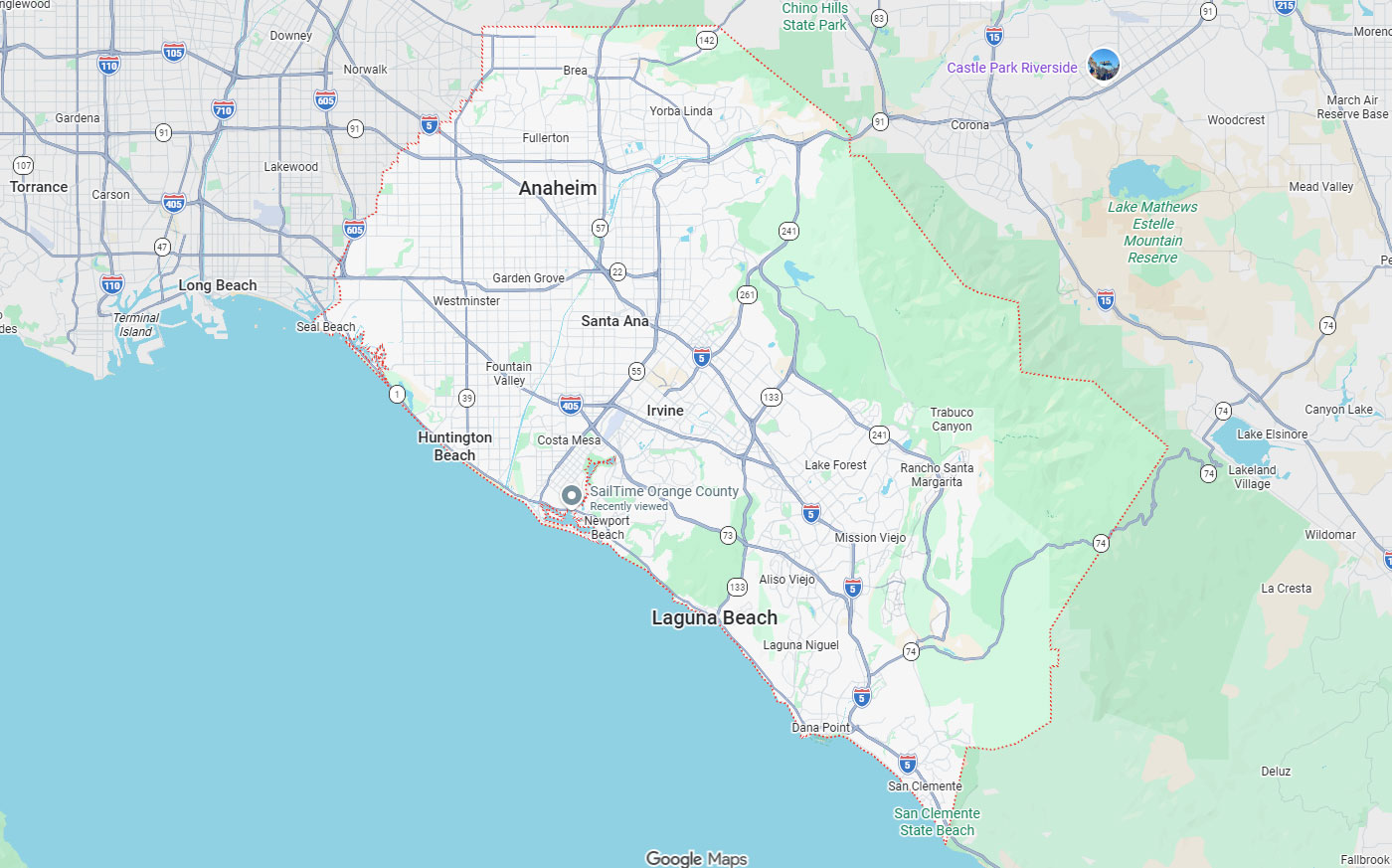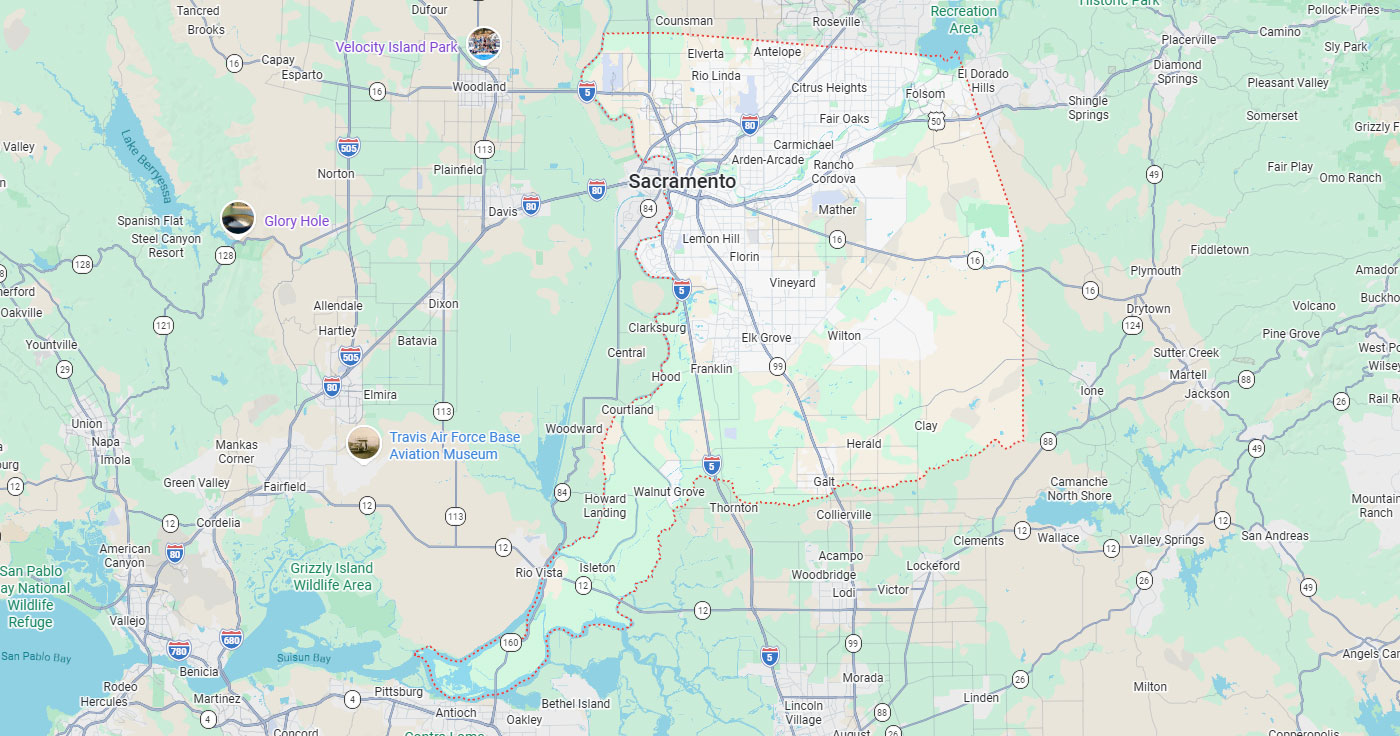
Hayward, CA
Fresno, CA
Orange, CA
Sacramento, CA
Phoenix, AZ
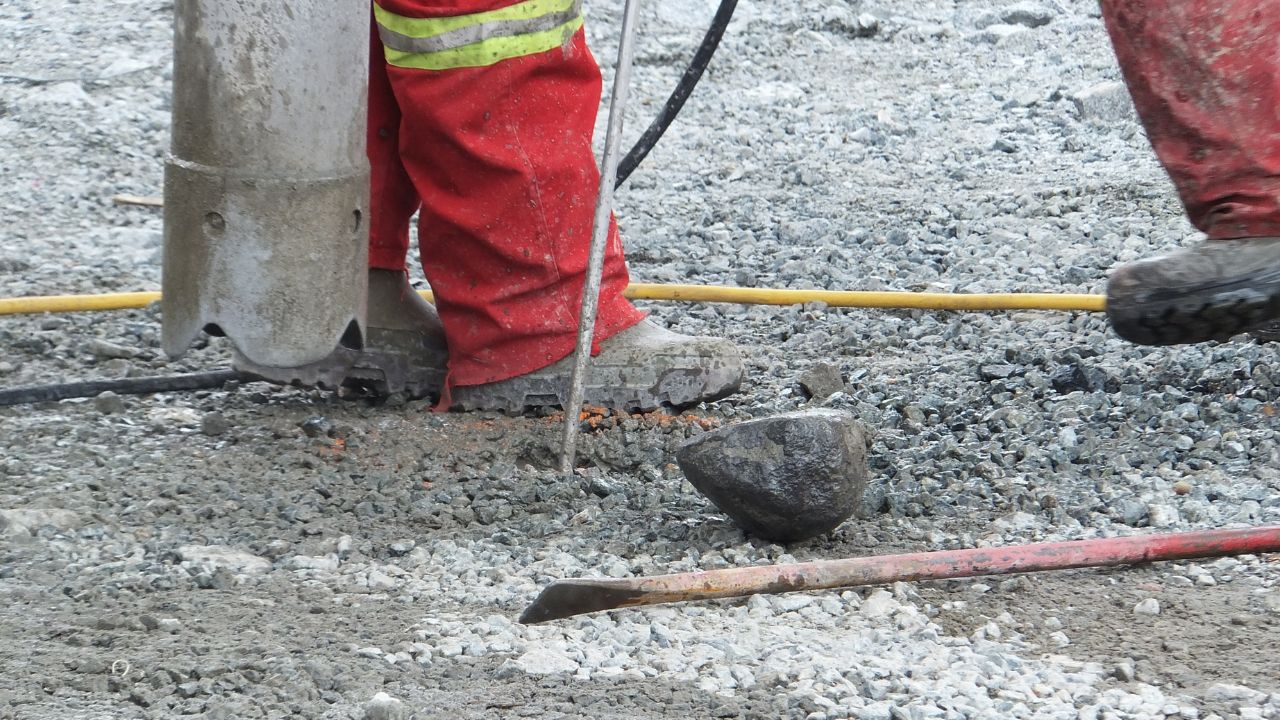
Construction teams begin most excavation projects with utility markings, record drawings, and surface-level detection. These tools provide approximate locations, but excavation risk remains when exact depth and field conditions stay unverified. Daylighting underground utilities solves this gap by physically exposing buried infrastructure at critical conflict points before mechanical excavation begins.
This non-destructive verification step transforms approximate information into confirmed field data. Project teams gain visual proof of utility location, depth, material type, and surrounding conditions before committing to trench paths or equipment selection.
Key Takeaways
Utility daylighting is the practice of physically exposing a buried utility to visually confirm its exact position and condition. This verification step provides construction and engineering teams with field-confirmed data that approximate markings and record drawings cannot deliver. Understanding 811 vs. hiring a private locator helps project teams layer protection steps appropriately.
Daylighting moves project planning from assumption to confirmation by creating visual access to the actual utility. Teams can verify horizontal alignment, measure precise depth, identify material composition, and assess condition before excavation equipment reaches the site.
Contacting 811 before digging is a required safety step that triggers approximate utility location markings using paint or flags. These marks guide crews to general utility corridors but do not confirm exact depth, specific positioning, or field conditions. Daylighting builds on this foundation by exposing the utility at selected points where conflicts are likely.
The difference matters because 811 provides awareness while daylighting provides verification. Both steps reduce risk, but daylighting utility benefits include physical confirmation that approximate surface marks cannot provide.
| Verification Step | What It Confirms | Limitation |
| 811 notification | General utility corridor awareness | Approximate location only, no depth confirmation |
| Private utility locating | Refined horizontal position using GPR and electromagnetic detection | Estimated depth, no physical confirmation |
| Daylighting (vacuum excavation) | Exact depth, position, material, and condition | Confirms only the test-hole points exposed, not the full alignment |
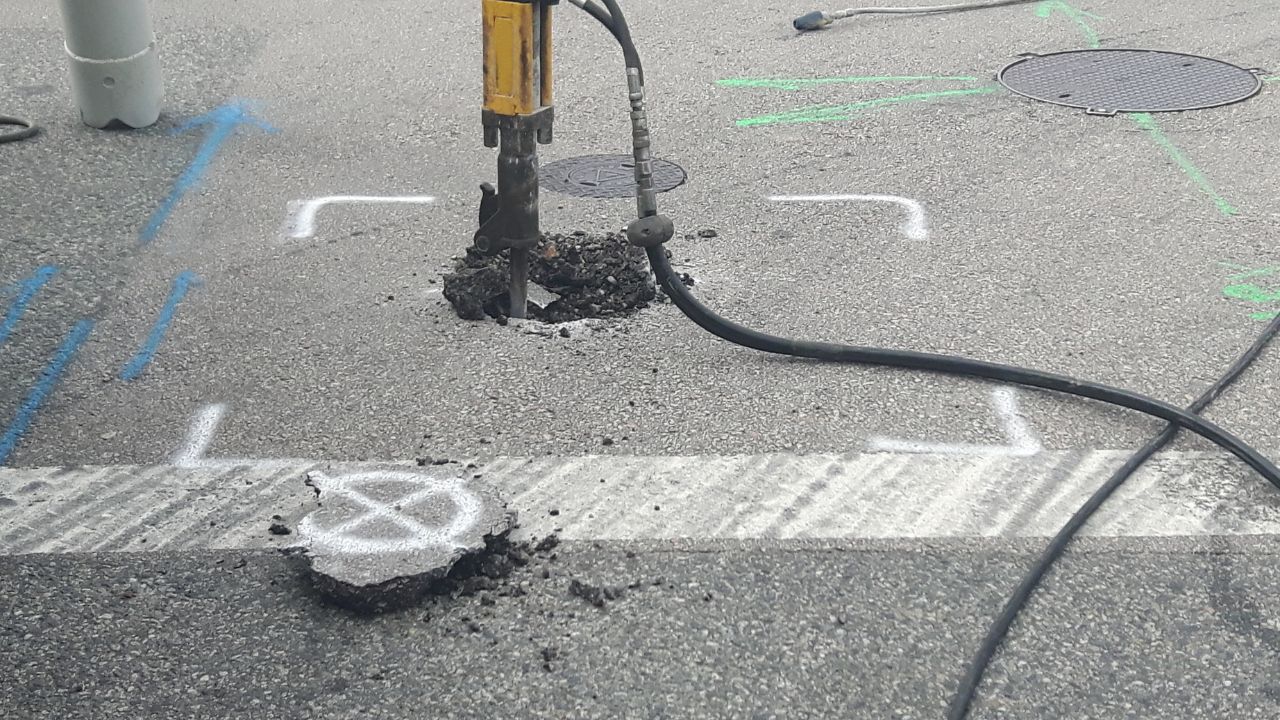
Vacuum excavation is a non-destructive process that creates small test holes using controlled air or water pressure and vacuum suction. This method removes soil without the cutting action of mechanical excavation equipment like backhoes or trenchers. The advantages of using vacuum excavation include protecting utilities during exposure and supporting safer excavation preparation steps.
Mechanical excavation uses blade or bucket contact to move earth, creating strike risk when utilities lie within the equipment's path. Vacuum excavation isolates and removes soil particles without direct tool-to-utility contact, making it the preferred method for utility potholing.
California Government Code 4216 identifies high-priority subsurface installations that warrant extra caution during excavation planning. These include high-pressure natural gas pipelines above 60 psig, petroleum pipelines, pressurized sewage pipelines, high-voltage electric lines at or above 60 kV, and hazardous-material pipelines. Gas lines, electrical cables, water mains, and pressurized sewer systems represent the most common critical utilities encountered during construction.
Striking any of these lines can disrupt essential services, require costly emergency repairs, or create life-threatening hazards. Daylighting verifies their exact position and depth before excavation begins, reducing the likelihood of accidental contact.
| High-Priority Utility Type | Risk Threshold Under CA Gov. Code 4216 |
| High-pressure natural gas pipelines | Operating pressure above 60 psig |
| Petroleum pipelines | Any pressurized petroleum product line |
| Pressurized sewage pipelines | Any pressurized (force main) sewer line |
| High-voltage electric lines | 60 kV or higher |
| Hazardous-material pipelines | Lines carrying hazardous or flammable materials |
Hitting a buried utility line disrupts service to homes, businesses, or critical facilities and triggers repair costs. More seriously, strikes can cause injuries or fatalities when gas, electric, or hazardous-material lines are involved. Daylighting reduces these risks by providing visual confirmation of utility location before crews begin trenching or drilling operations.
The reduced-risk excavation approach layers multiple protection steps: 811 notification establishes approximate awareness, private locating refines horizontal position, and daylighting verifies exact depth and condition. This progression increases confidence at each stage.
Vacuum excavation exposes utilities without the blade or bucket contact that mechanical excavation requires. This controlled soil removal method allows crews to verify utility position and condition without introducing cutting force near the line. Understanding the role of vacuum excavation in preventing utility strikes demonstrates how this technology supports safer field operations.
Traditional mechanical excavation carries strike risk whenever equipment operates near marked utilities. Vacuum excavation eliminates direct tool-to-utility contact, making it the preferred method when working within marked tolerance zones.
Daylighting reduces strike risk when properly scoped and performed, but it does not eliminate all excavation hazards. Crews still face trench collapse risks, atmospheric hazards, access challenges, and equipment-related dangers that require separate safety controls. Daylighting specifically addresses the buried-utility strike hazard by confirming utility location before excavation begins.
OSHA excavation standards require competent-person inspection, protective systems, safe access and egress, and proper spoil placement regardless of utility verification efforts. Daylighting supports one element of excavation safety without replacing comprehensive trench protection measures.
California Government Code 4216 defines excavation broadly to include grading, trenching, digging, ditching, drilling, augering, tunneling, scraping, and cable or pipe plowing. The law establishes a legal excavation start date two working days after 811 notification, excluding the notification date itself. This timing creates a planning window where daylighting can be scheduled before mechanical work begins.
The same code identifies high-priority installations that carry elevated risk during excavation. These regulatory definitions guide project teams in deciding which utilities deserve visual confirmation before excavation proceeds.
Record drawings and as-built documents often contain inaccuracies that become apparent only when excavation reveals actual field conditions. These discrepancies force costly mid-construction redesign, delay schedules, and create disputes over changed conditions. Daylighting verifies subsurface reality during the design phase, allowing engineers to adjust alignments and resolve conflicts before construction bids go out.
Utility mapping and daylighting work together to produce verified subsurface data that supports confident design decisions. Engineers can position new infrastructure away from existing utilities with measured precision rather than estimated clearance.
The American Society of Civil Engineers developed ASCE 38-02 as a national consensus standard for collecting and depicting subsurface utility data. This framework classifies utility information quality so owners, engineers, and constructors can understand data reliability and allocate risk appropriately. Learning about ASCE 38-22 SUE standards and utility locating shows how quality levels support project planning.
Quality Level A represents the highest confidence tier, obtained through physical exposure that verifies utility location, depth, and condition. Vacuum excavation potholing produces this verification when combined with proper surveying and documentation protocols.
Inaccurate as-builts create design risk by showing utilities in positions that do not match field reality. Daylighting provides engineers with measured confirmation of actual utility placement, allowing design adjustments before construction contracts are awarded. This verification prevents the scenario where crews encounter unexpected conflicts that halt work and trigger redesign costs.
Unexpected site conditions cause project delays, budget overruns, and schedule compression that affect all downstream activities. Early verification through daylighting moves these discoveries into the planning phase where adjustments cost less and disrupt less.
Mapping and documenting confirmed utility positions creates a permanent record that supports engineering decisions, construction sequencing, and owner facility management. Survey-grade documentation of daylighted utilities produces Quality Level A data that engineering teams can reference throughout project execution. This verified information reduces decision-making uncertainty.
Proper documentation also protects project teams by establishing what was known and confirmed before construction began. This record serves as evidence if disputes arise over changed conditions or utility conflicts.
Better utility information protects project budgets by preventing costly surprises during construction. When crews encounter undocumented utilities or find utilities in positions that differ from record drawings, projects incur emergency stoppage costs, redesign fees, repair expenses, and schedule delays. Exploring the benefits of subsurface utility engineering reveals how early investigation supports cost control.
Utility strikes create direct repair costs, but they also trigger indirect expenses including project delays, public disruption, regulatory response, and potential liability claims. These combined impacts can exceed the original cost of the excavation work itself.
A Federal Highway Administration study commissioned through Purdue University evaluated 71 highway projects across Virginia, North Carolina, Texas, and Ohio. These projects represented over $1 billion in total construction costs and provided data on subsurface utility engineering effectiveness. The study found $4.62 in quantified savings for every $1.00 spent on subsurface utility engineering activities.
This 1999 highway-focused research provides evidence that better utility information reduces project costs related to existing subsurface infrastructure risks. The savings came from avoiding utility conflicts, reducing redesign, preventing construction delays, and minimizing changed-condition claims.
Utility strikes halt construction operations while emergency repairs proceed and damage assessments are completed. These stoppages compress remaining schedules, force overtime work, and disrupt coordination with other trades. Public disruption extends when streets remain closed, or services stay offline during extended repair periods.
Daylighting moves utility verification forward into project planning, where discovering conflicts triggers design adjustments rather than construction stoppages. This timing difference protects schedules by resolving issues before field mobilization begins.
The Federal Highway Administration research represents highway-project data from specific states and timeframes, not a universal guarantee for every excavation. Project teams should view subsurface utility engineering as a risk-control investment that reduces the probability and cost of utility conflicts. Actual returns vary by project complexity, utility density, record quality, and site conditions.
The documented evidence supports the principle that earlier utility investigation costs less than mid-construction conflict resolution. Individual projects should evaluate daylighting scope based on their specific risk profile.
OSHA identifies trench collapses and cave-ins as the greatest risk to workers' lives during excavation and trenching operations. These hazards require protective systems, competent-person inspection, safe access and egress, proper spoil placement, and atmospheric monitoring. Reviewing best practices for exposing utilities safely in congested areas shows how daylighting fits within comprehensive safety protocols.
Daylighting addresses one specific excavation hazard: buried utility strikes. This verification step helps crews avoid the shock, explosion, fire, or infrastructure-damage risks associated with striking gas, electric, petroleum, or other critical lines.
OSHA excavation standards emphasize multiple hazard categories beyond buried utilities. Trench collapse poses immediate entrapment and suffocation risk, requiring protective systems for excavations beyond certain depths. Standing water and atmospheric hazards demand testing before worker entry.
Safe access and egress must be provided within 25 feet of workers in trenches. Materials and equipment must be kept away from trench edges to prevent collapse triggers.
Daylighting identifies utility locations before trenching begins, allowing crews to plan safe work zones and select appropriate equipment. This advanced knowledge supports safer excavation sequencing by revealing where hand digging or vacuum excavation should replace mechanical methods. Understanding why utility locating is the first step in safe excavation demonstrates how detection and verification layer together.
Knowing exact utility depth also helps competent persons assess trench-protection requirements and plan shoring or sloping systems. This information supports integrated safety planning rather than isolated hazard response.
Daylighting does not replace trench safety systems, protective systems, access and egress controls, or spoil placement requirements. Each excavation hazard demands specific controls, and buried utilities represent only one category of risk. Comprehensive excavation safety requires addressing cave-in risk, atmospheric hazards, equipment hazards, and access challenges through established OSHA protocols.
Project safety plans should integrate daylighting as a pre-excavation verification step that reduces utility-strike probability. This approach positions daylighting within a complete excavation safety framework.
Dense underground infrastructure creates conditions where multiple utilities occupy narrow corridors with limited horizontal separation. Conflicting utility records leave crews uncertain which drawing version reflects actual field conditions. High-risk lines such as high-pressure gas or high-voltage electric warrant extra verification before mechanical excavation begins.
Surface utility marks may overlap in congested corridors, making it impossible to determine which line sits at which depth. Daylighting reveals actual vertical positioning and confirms horizontal alignment at critical conflict points.
Road construction projects encounter multiple utility types within right-of-way corridors where record drawings may span decades of installation history. Utility installation work requires confirming the location of existing infrastructure before new lines are placed. Learning how utility locating minimizes project delays explains the value of verification in complex corridors.
Sites with known record conflicts or missing as-built documentation benefit from physical verification that resolves drawing discrepancies. Projects near high-priority utilities gain risk reduction by confirming exact position before equipment mobilizes.
Design-phase daylighting allows engineers to adjust alignments and resolve conflicts before construction documents are finalized. Pre-construction daylighting verifies field conditions after design is complete but before mobilization begins, protecting schedule and budget. Both timing approaches reduce risk, but design-phase verification provides more flexibility for alignment adjustments.
Locating and designating utilities with ground-penetrating radar and electromagnetic detection establishes horizontal position. Daylighting then verifies depth and condition at points where detection suggests conflicts or uncertainty.
Congested corridors contain multiple utilities at varying depths within narrow horizontal bands. Surface marks in these areas may show overlapping tolerance zones that leave actual utility positions uncertain. Daylighting resolves this ambiguity by exposing utilities at strategic test points where conflicts are likely.
Conflicting utility records create uncertainty about which document reflects actual installation. Physical exposure settles these conflicts with visual proof that supersedes drawing discrepancies.
Engineering project managers need accurate subsurface data to produce designs that avoid utility conflicts and support constructible alignments. Construction superintendents require verified utility locations to sequence work safely and maintain schedule momentum without strike-related stoppages. Public works leaders balance infrastructure maintenance needs against public disruption and regulatory compliance obligations.
Utility operations managers protect network assets from third-party excavation damage that disrupts service and triggers emergency response costs. Federal facility teams maintain mission-critical infrastructure where service interruptions affect operational readiness.
Inaccurate as-builts force mid-construction redesign when field conditions contradict drawing assumptions. Daylighting provides engineers with measured verification during the design phase, allowing alignment adjustments before construction bids are solicited. This timing protects project budgets by resolving conflicts when changes cost less.
Design risk decreases when subsurface conditions are verified rather than assumed. Engineers can specify construction methods and clearances with confidence that field reality matches design intent.
Utility strikes create project delays that compress schedules and force overtime work to recover lost time. These incidents generate regulatory compliance issues when damage reporting and investigation requirements interrupt construction momentum. Public disruption extends when streets remain closed during utility repairs and service restoration efforts.
Construction superintendents use daylighting to protect field operations from strike-related stoppages that affect crew productivity and equipment utilization. Public works leaders gain community protection by reducing the probability of service outages during infrastructure projects.
Third-party excavation damage represents a major cause of utility network interruptions that affect customer service reliability. Daylighting helps prevent these incidents by verifying utility position before excavation equipment operates near critical assets. Utility strikes disrupt mission-critical infrastructure at federal facilities where operational continuity depends on reliable utility service.
Operations managers use daylighting to protect network integrity when construction activity occurs near high-priority lines. Federal facility teams reduce mission-disruption risk by confirming subsurface conditions before site work begins.
Verified utility data supports confident excavation decisions that protect crews, budgets, and schedules throughout project execution. Daylighting transforms approximate utility information into physical confirmation that engineering and construction teams can rely on. This verification step reduces strike risk, enables design adjustments, and prevents costly mid-construction surprises.
Bess Utility Solutions combines utility locating, vacuum excavation or potholing, and mapping services to deliver comprehensive subsurface verification for construction, municipal, utility, and infrastructure teams. Early investment in utility verification consistently proves more cost-effective than managing conflicts after excavation begins.
Before your next excavation project begins, verify what lies beneath the surface with professional vacuum excavation potholing services that provide visual confirmation of buried utilities.
Verified subsurface data starts with a team that treats precision as standard practice. Bess Utility Solutions is a CPUC-certified MBE/DBE firm with 29 years of experience serving construction, municipal, utility, and federal clients across California, Arizona, and Nevada. Our crews combine private utility locating, non-destructive vacuum excavation, and GPR concrete scanning to confirm what lies beneath your site before equipment moves in. Call Bess Utility Solutions at (408) 988-0101, request a free quote, or contact our team to schedule a daylighting assessment for your next excavation project.
A. Daylighting costs vary by hole depth, soil conditions, pavement type, and the number of conflict points identified on a site. Projects with shallow utilities and open ground generally cost less than daylighting through reinforced concrete or dense urban corridors. Bess Utility Solutions provides project-specific quotes after reviewing site conditions and the utilities flagged for verification. Contact our team for a detailed cost estimate based on your excavation plan.
A. Most daylighting projects take one to three days, depending on the number of test holes, site access, and utility density. Congested corridors with multiple conflicting utilities require additional time to expose each line safely. Scheduling daylighting during the design phase, rather than after mobilization, keeps this timeline from affecting the overall construction schedule.
A. California Government Code 4216 requires 811 notification before excavation but does not mandate daylighting on every project. Daylighting becomes a practical necessity when high-priority utilities, such as high-pressure gas or high-voltage electric lines, fall within the planned excavation path. Public agencies and utility owners frequently require physical verification as a condition of permit approval or right-of-way work. Confirming site-specific requirements with the local jurisdiction and utility owner is the safest approach before excavation begins.
A. Vacuum excavation suits urban corridors, paved streets, and other tight work areas because it removes soil without the swinging equipment mechanical trenching requires. Crews can expose utilities beneath sidewalks, roadways, and parking areas with minimal surface disruption. GPR concrete scanning is typically used first to map subsurface obstructions before a test hole is opened. This sequence limits pavement damage and keeps restoration costs manageable.
A. Standard utility locating uses electromagnetic and GPR equipment to detect utilities without disturbing the ground, producing an estimated horizontal position. Daylighting goes a step further by physically exposing the utility to confirm exact depth, material, and condition. Locating identifies where a utility likely runs, while daylighting confirms where it actually is. Projects with high-priority utilities or conflicting records typically use both methods together for full verification.