Hayward, CA
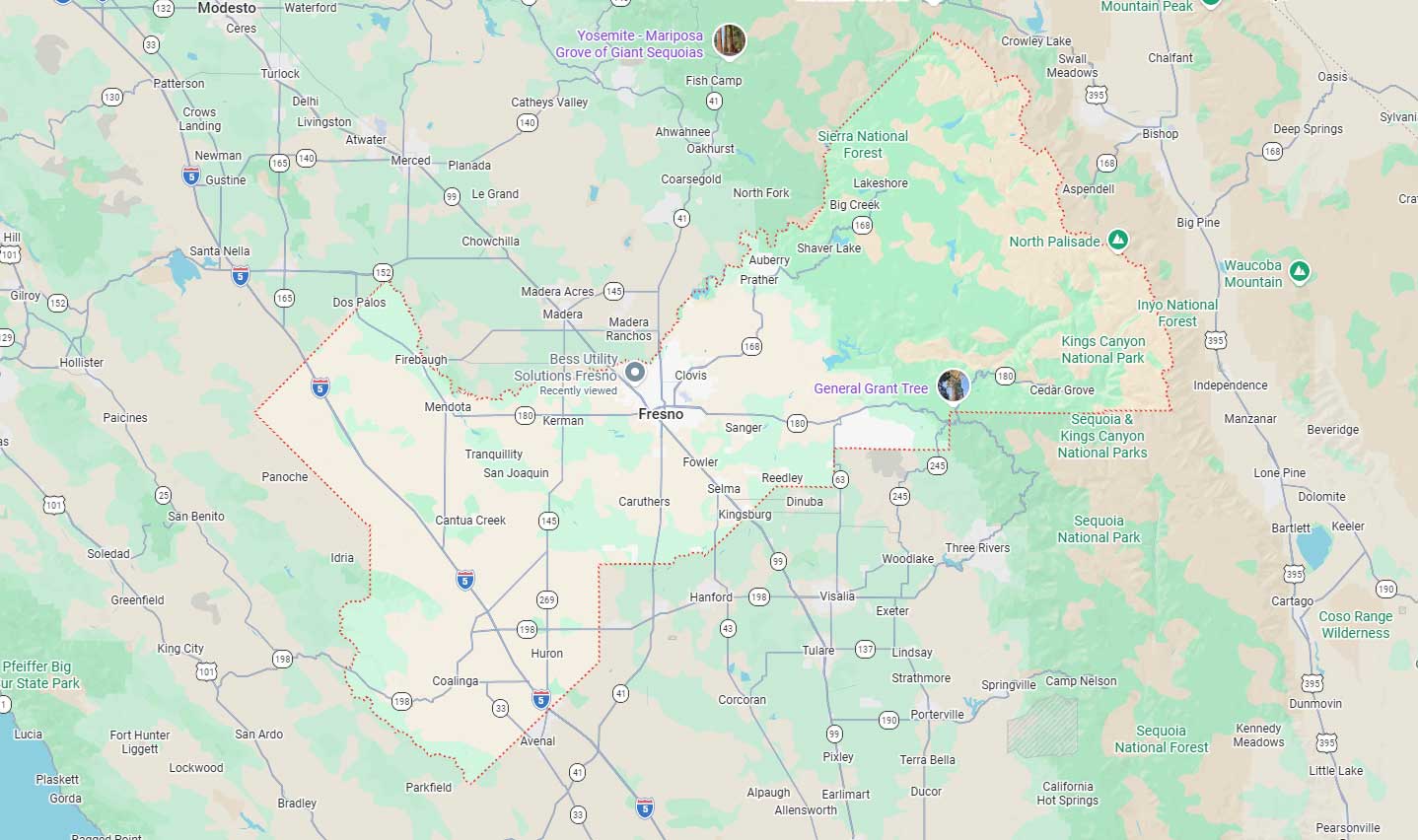
Fresno, CA
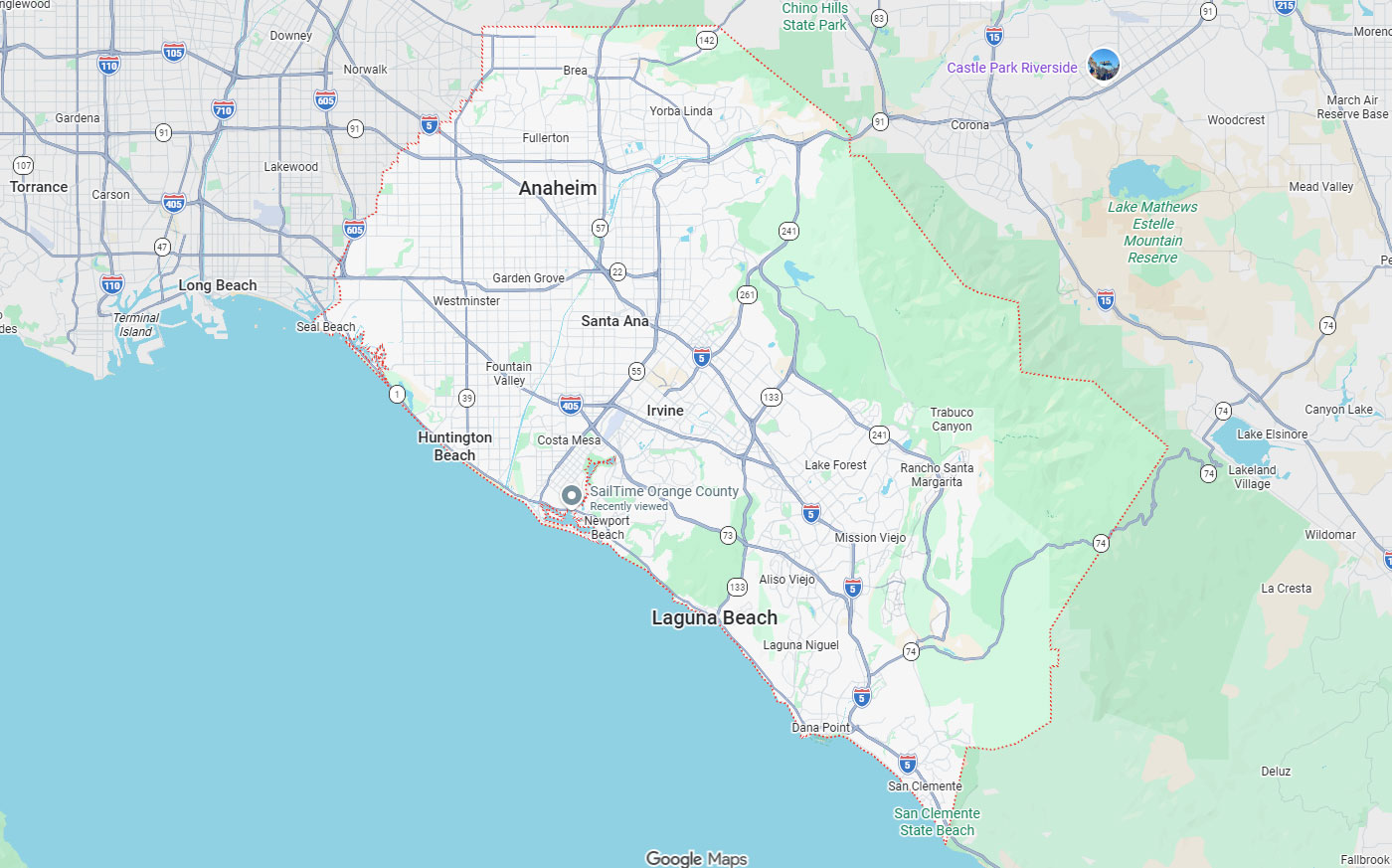
Orange, CA
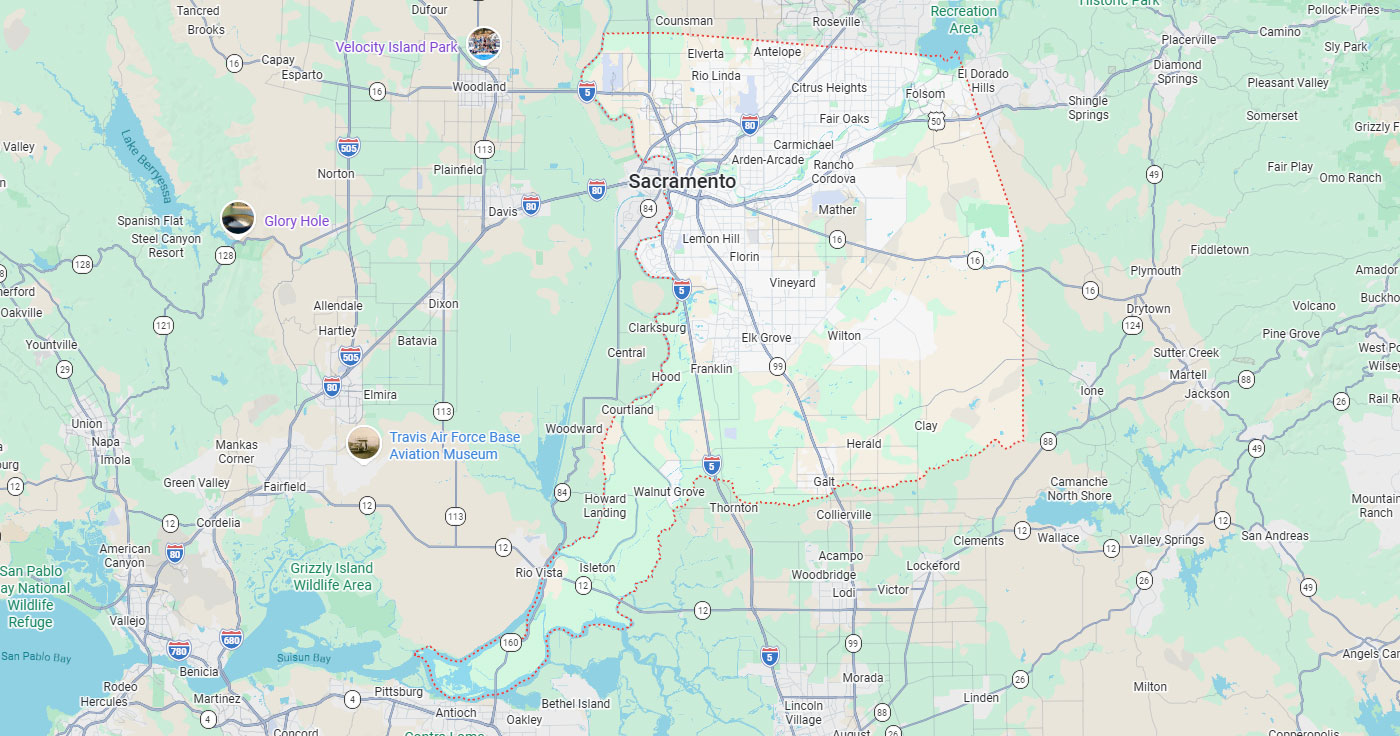
Sacramento, CA
Phoenix, AZ
Key Takeaways
When it comes to construction projects in Arizona, one of the most crucial steps is utility locating. Excavating or digging without knowing where underground utilities are buried can lead to accidents, delays, and serious damage. Arizona's utility locating laws are designed to protect contractors, property owners, and the public from the risks associated with digging. Understanding these regulations is not just about compliance; it’s about ensuring safe, efficient work that avoids costly mistakes.
In this article, we'll explore the key laws, regulations, and safety standards contractors must follow in Arizona when it comes to utility locating. From local to state-level compliance, we’ll provide a clear overview of the essentials every contractor should know.
Utility locating laws in Arizona are aimed at ensuring the safety of construction projects that involve digging. The primary law contractors need to understand is the Arizona Underground Facilities Law. This law requires contractors to identify utility locations before digging to prevent damage to underground infrastructure, which could cause service outages, environmental damage, or even injuries.
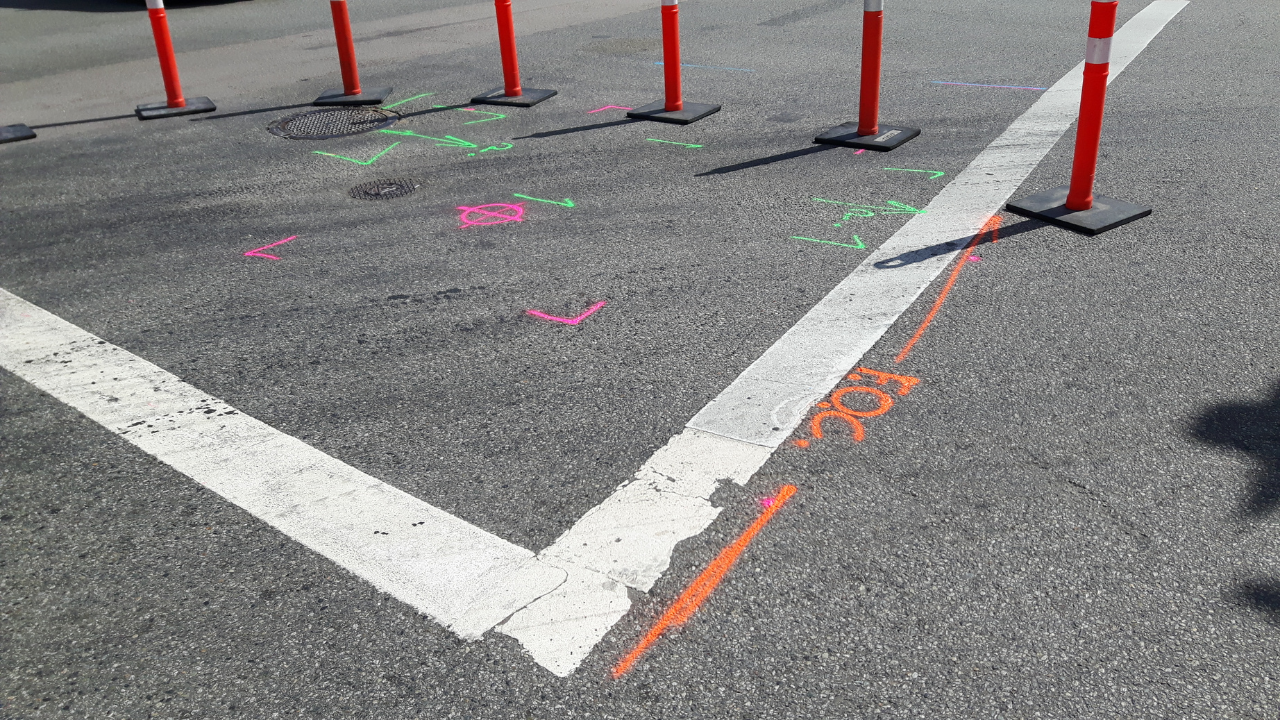
Arizona 811, often called the "One-Call" system, is at the heart of utility locating regulations in the state. Before any excavation, contractors must contact Arizona 811, where a utility locator will mark underground utility locations. This service is mandatory for all contractors working on dig sites, and failure to follow the process can lead to penalties.
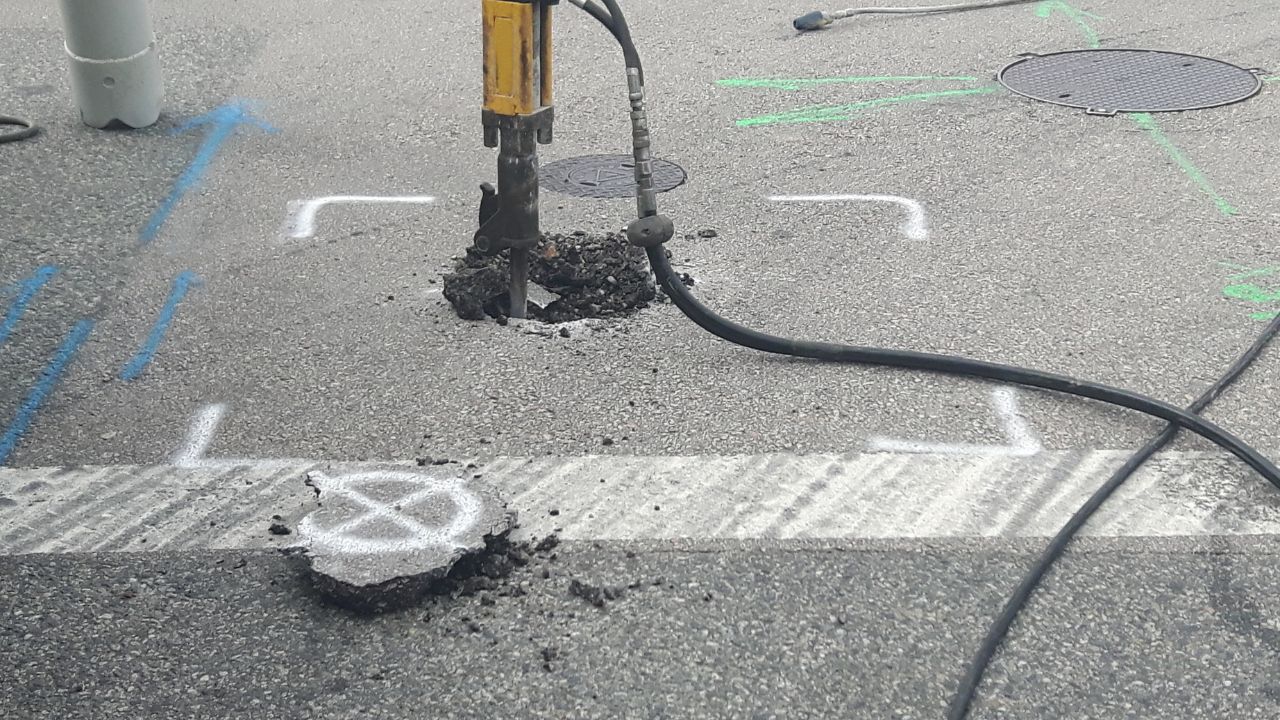
The Arizona Corporation Commission oversees utility safety regulations. It sets the rules on excavation safety, utility marking practices, and damage prevention measures. Arizona's utility locating compliance also includes proper marking of underground utilities using specific colors as defined by the Arizona 811 utility marking color codes. These color codes help contractors identify water, sewer, gas, and electric lines, ensuring safer digging practices.
Contractors in Arizona are required to follow both state-level and local utility locating standards. While Arizona’s laws are central to utility locating, individual cities or counties may have additional requirements, especially when it comes to handling underground facilities like water systems, sewer lines, and electric power distribution. Each of these systems has unique safety and regulatory guidelines to follow.
For example, in places like Fountain Hills, there may be specific rules for working with the Sanitary Sewer System or service lateral connections. Contractors need to be familiar with the development review processes and any interagency agreements that may apply to their dig site.
Safety is also a priority. Arizona’s laws require contractors to follow safe digging practices as defined by the Common Ground Alliance and the Department of Energy. Excavating near gas lines, oil pipelines, or electric power lines requires strict safety measures, such as using non-invasive detection techniques and working with utility service providers for confirmation.
Utility locating is essential for construction because it prevents damage to underground infrastructure that could result in costly repairs, delays, or even dangerous accidents. Contractors must identify the utility lines and ensure that excavation doesn’t disrupt critical services like water, electricity, or telecommunications. Without proper utility locating, there’s a higher risk of hitting service laterals, causing sewer service interruptions, or damaging communication lines.
When contractors ignore utility locating laws, the consequences can be severe. From legal fines to safety violations, these risks can halt a construction project or escalate costs significantly. That's why utility locating compliance is not just about following rules—it's about protecting workers, the public, and the property owner’s investment.
To comply with Arizona’s utility locating laws, contractors must ensure they follow the utility locating process properly. Here are some key steps to take:
By following these steps, contractors can mitigate risks and avoid potential utility damage, which could lead to downtime, fines, and repair costs.
Another crucial element of utility locating is understanding the various utility owners and providers that manage underground systems. Contractors need to communicate directly with utility operators before starting work, especially when working near sensitive areas such as gas and oil production, distribution, or electric power distribution lines. Understanding the utility access points and stakeholder education guidelines is also important to ensure a seamless process and prevent unforeseen issues.
Contractors should also be aware of the role played by utility service suppliers and the different service lateral regulations that may apply in specific areas. Whether digging near a water system or a telecommunication line, understanding the specifics of each type of underground facility is necessary to ensure proper protection and compliance with Arizona law.
Understanding Arizona’s utility locating laws is not only a matter of compliance but also of public safety. Contractors who follow the right procedures can ensure a safer working environment and avoid serious risks associated with underground utilities.
At Bess Utility Solutions, we provide cutting-edge utility locating services designed to help contractors navigate Arizona’s complex regulatory landscape. From utility marking to precise detection, we offer the tools and expertise you need to perform your work safely and efficiently.
Contact us today to learn more about our utility locating services and how we can support your next project. Don’t take chances—ensure your next excavation project is compliant and safe with our expert solutions.