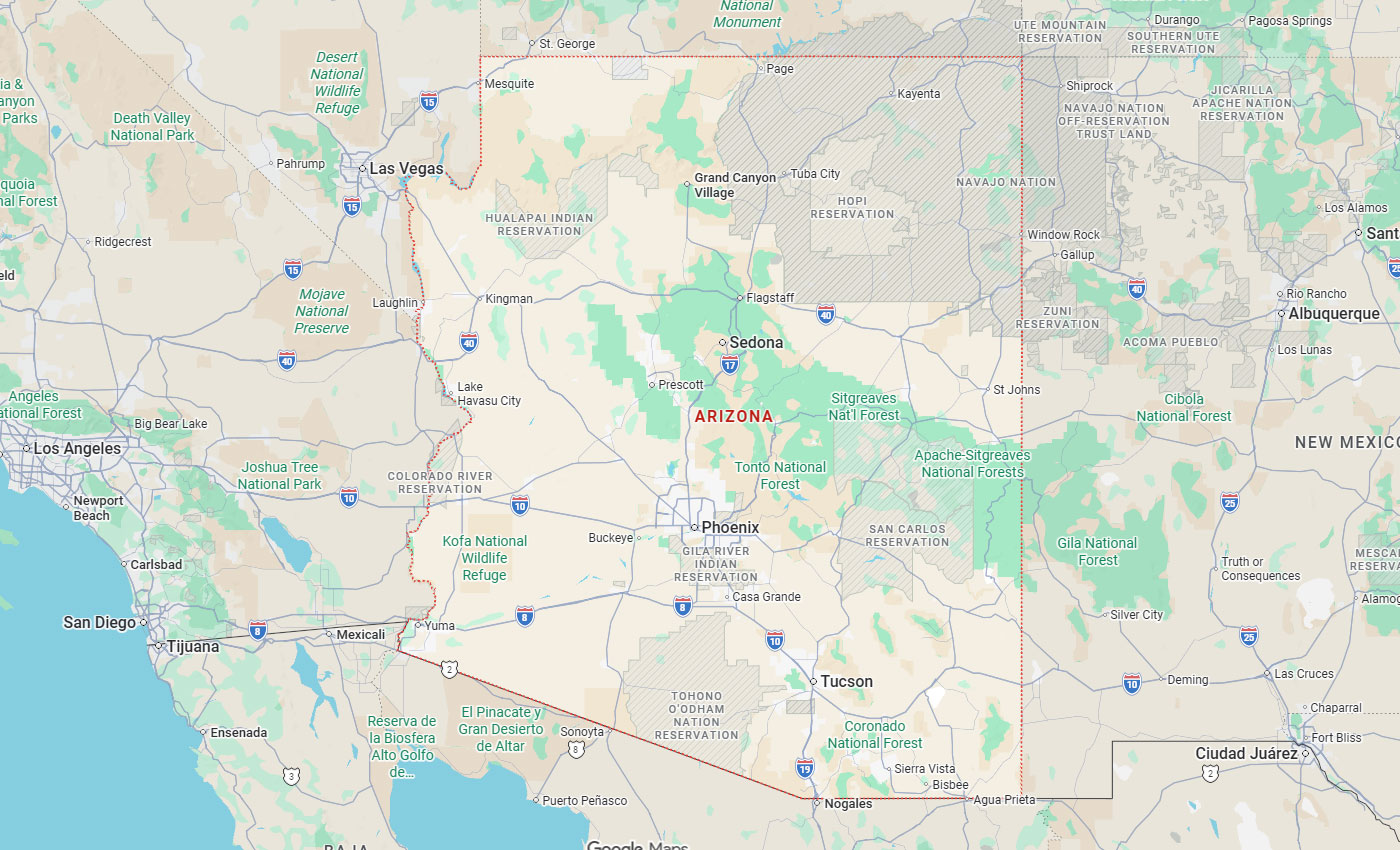
Hayward, CA
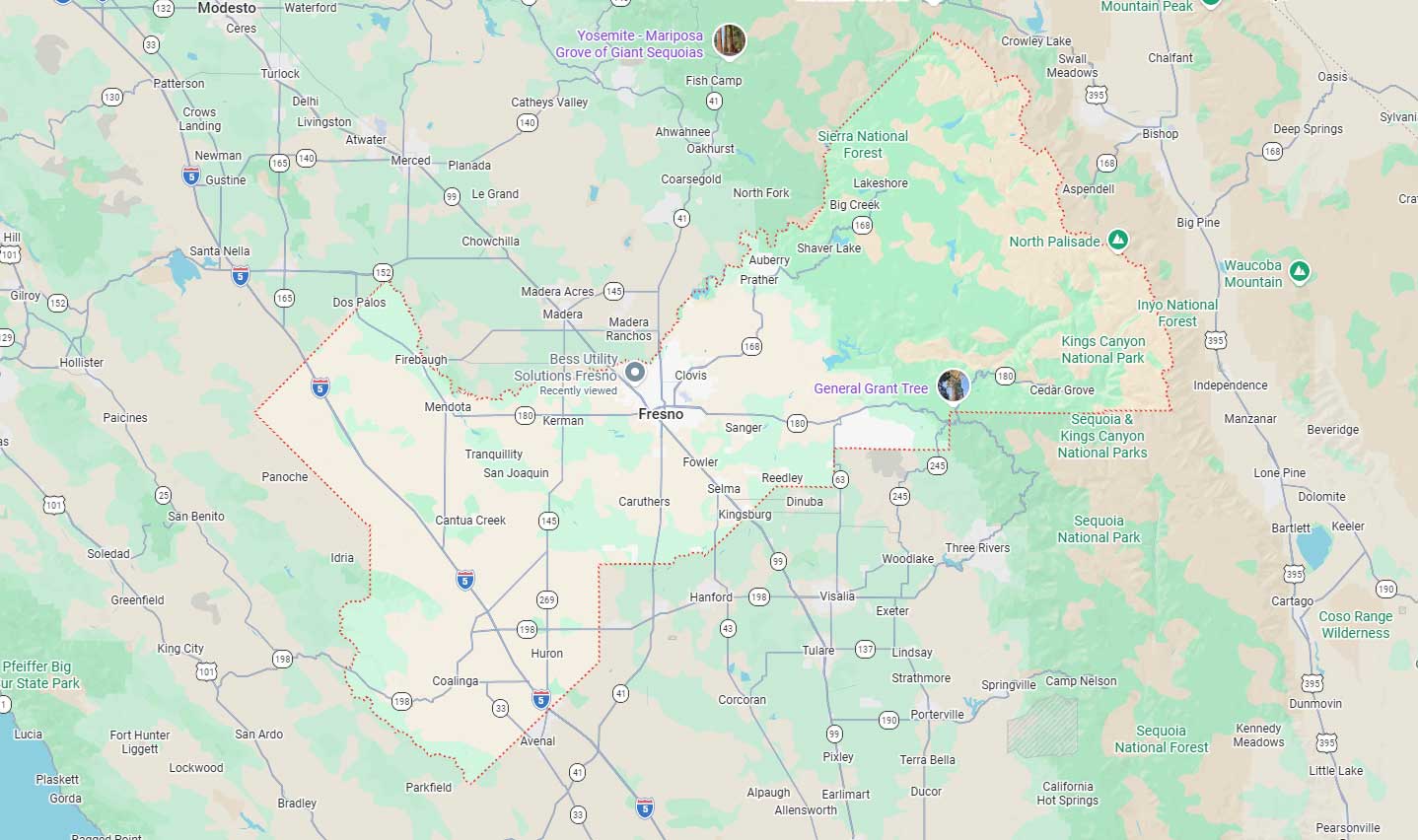
Fresno, CA
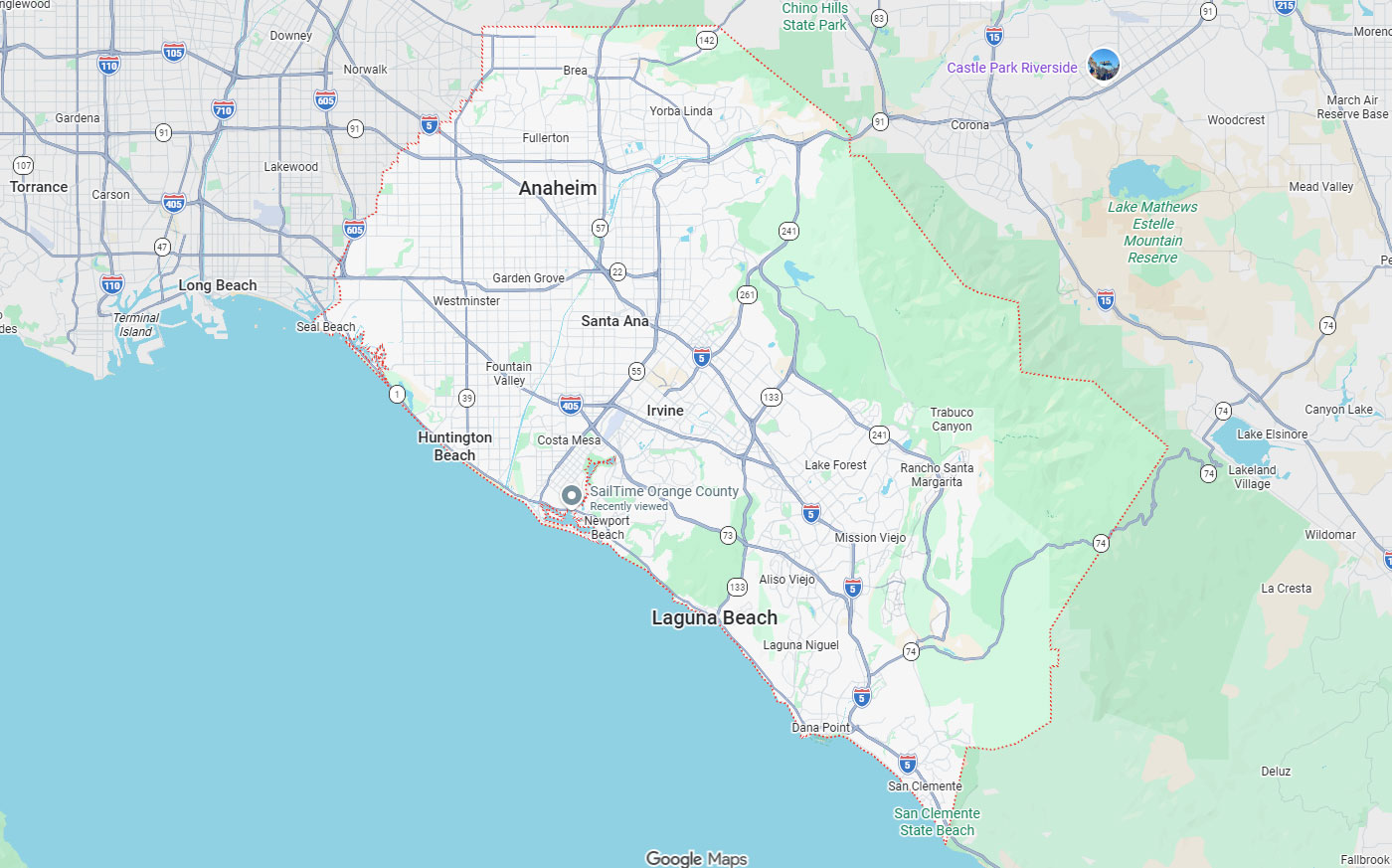
Orange, CA
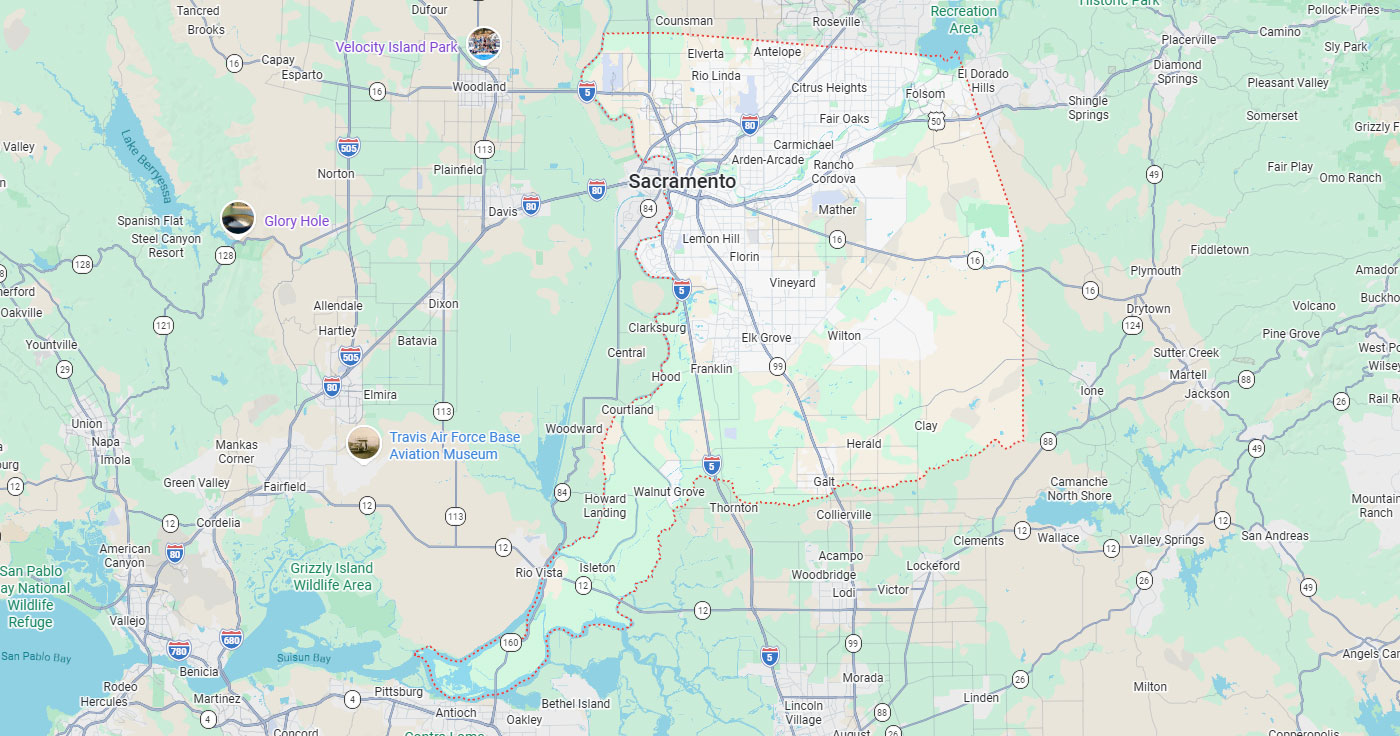
Sacramento, CA
Phoenix, AZ
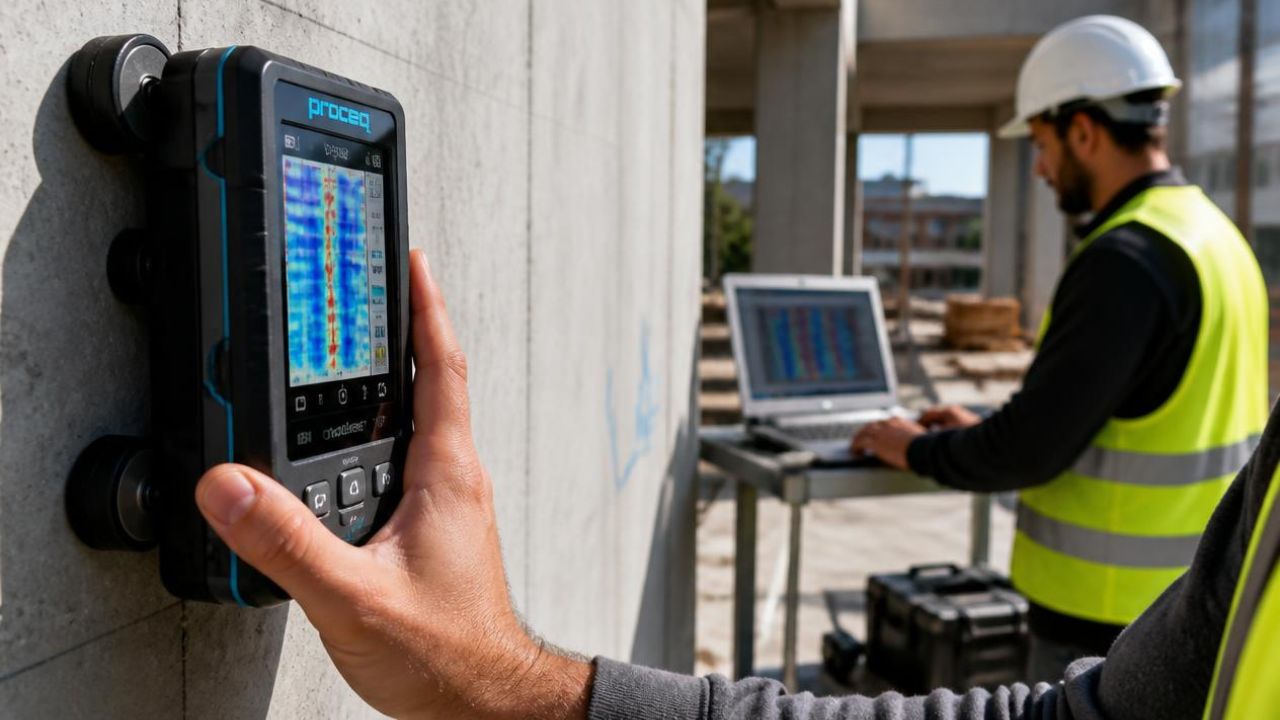
Core drilling through concrete without proper scanning creates significant safety and financial risks. Professional concrete scanning Hayward services identify embedded utilities, post-tension cables, and structural elements before cutting begins, preventing catastrophic failures and protecting workers from life-threatening injuries.
Urban construction sites contain complex subsurface networks that standard blueprints often fail to document accurately. Advanced scanning technologies detect hidden hazards and provide real-time data for safe core drilling preparation, reducing project delays and liability exposure while ensuring regulatory compliance.
Key Takeaways
Concrete scanning uses specialized technologies to detect objects embedded within concrete slabs before drilling or cutting. This process identifies rebar, conduits, post-tension cables, and voids that could cause structural damage or worker injuries if struck.
The practice prevents utility strikes that cost the construction industry $30 billion annually. Each incident averages $4,000 in immediate damages, not including project delays, safety violations, or potential legal liability.
Subsurface Investigation Methodology (SIM) provides the framework for professional concrete scanning operations. Trained technicians move specialized equipment across concrete surfaces to detect electromagnetic signals or radio waves reflected by embedded objects.
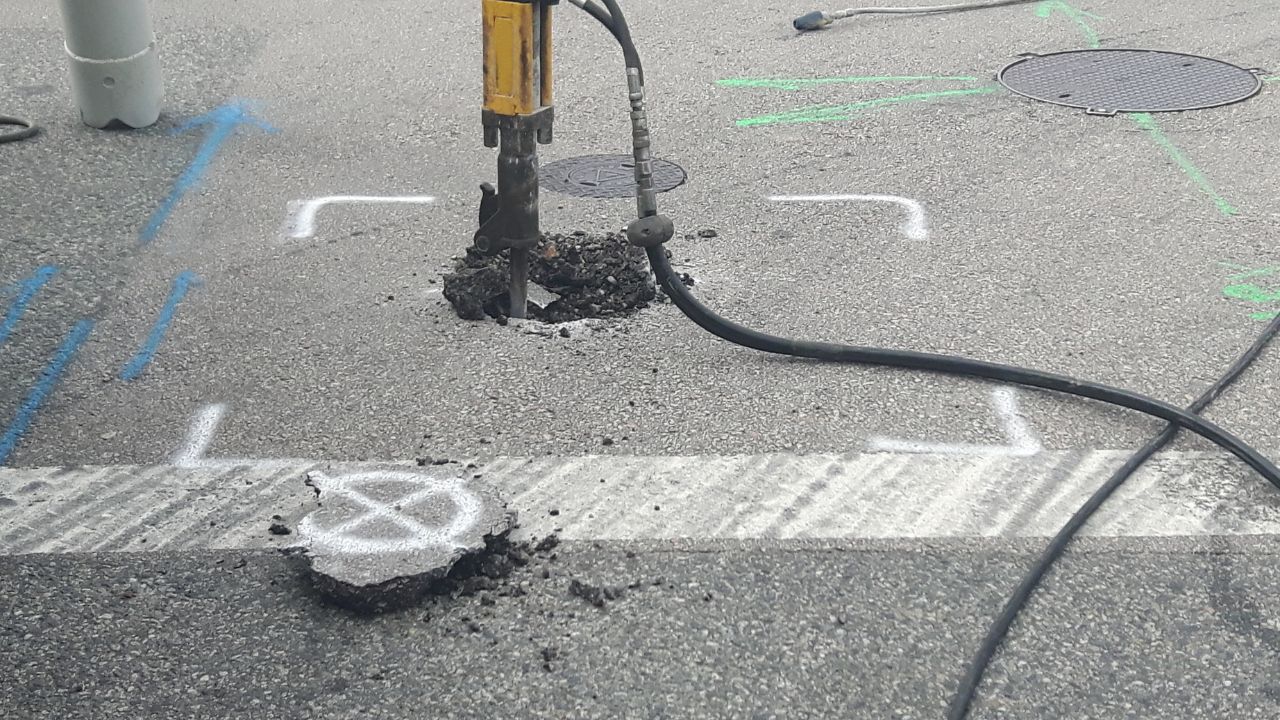
The scanning process creates real-time visual maps showing object locations, depths, and sizes. Technicians mark detected hazards directly on the concrete surface, providing drill operators with clear guidance for safe penetration points.
Ground Penetrating Radar utilizes high-frequency electromagnetic waves ranging from 1 to 1000 MHz. This technology detects both metallic and non-metallic objects, making GPR concrete scanning the most comprehensive detection method available.
Electromagnetic technology traces conductive materials by inducing electrical currents in metallic pipes and cables. X-ray scanning uses high-frequency waves to produce photographic images of concrete interiors, though it requires access to both slab sides and mandates site evacuation during operation.
GPR holds approximately 40% of the concrete scanners market share. Electromagnetic technology dominates utility locating with a 44.5% market share, reflecting its effectiveness for tracing active electrical lines and metallic pipes.
The United States experiences between 400,000 and 800,000 utility strikes annually during construction activities. These incidents result in an average of $4,000 in damages per strike, creating a total industry impact exceeding $30 billion.
The Bureau of Labor Statistics recorded 174,100 non-fatal construction injuries in 2023 alone. Utility strikes cause severe electrical shocks, explosions from severed gas lines, and life-altering injuries from structural failures when post-tension cables are cut.
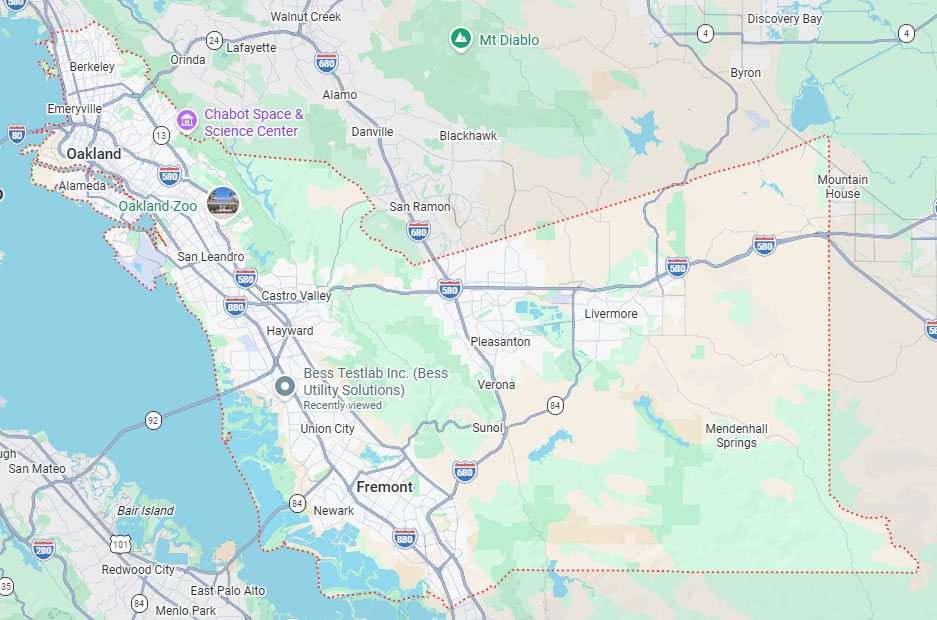
Hayward's dense urban infrastructure contains layers of aging utilities that require professional detection before any drilling occurs. The city's proximity to San Francisco and Oakland creates complex subsurface networks where multiple utility systems intersect beneath concrete surfaces.
California's stringent safety regulations mandate thorough subsurface investigation before construction activities. Hayward underground utility locating services address these requirements while protecting contractors from liability exposure and project delays.
Urban California areas demonstrate a 72% adoption rate for advanced scanning technologies. This high adoption reflects the concentrated infrastructure found in Bay Area cities, where underground systems support dense commercial and residential development.
Hayward's urban environment means every core drilling project faces elevated strike risks from overlapping utility corridors. The Bay Area's technology adoption rate exceeds national averages because contractors recognize that skipping scans in dense urban zones guarantees eventual utility damage.
California's WERK initiative allocated $30 million for processing over 100 million acres of LIDAR data. This statewide investment demonstrates California's institutional commitment to accurate subsurface mapping and risk reduction through technology deployment.
OSHA regulations under Subpart K require electrical safety verification before demolition or drilling activities. California contractors must satisfy both federal OSHA standards and state-specific utility protection requirements, making professional scanning legally necessary rather than optional.
The median age of construction workers stands at 42 years old nationwide. Workers aged 55 and older comprise over 22% of the construction workforce, creating safety considerations for personnel who may have reduced reaction times during emergency situations.
Hispanic workers comprise over 31% of the national construction labor force. Los Angeles and Bay Area percentages significantly exceed this national average, requiring multilingual safety protocols and clear visual marking systems that transcend language barriers.
Each scanning technology offers distinct advantages depending on project requirements and site conditions. Ground Penetrating Radar provides the most versatile detection capabilities for standard concrete scanning applications across construction sites.
Electromagnetic locators excel at rapid metallic utility tracing but cannot detect non-conductive materials. X-ray scanning delivers exceptional image clarity but imposes significant operational constraints that limit its practical application on active construction sites.
The table below summarizes how these three technologies compare across detection scope, access requirements, and limitations.
| Technology | What It Detects | Access Needed | Key Limitation |
| Ground Penetrating Radar (GPR) | Metallic and non-metallic objects, including PVC, voids, and delamination | One side of the slab | Requires trained interpretation to read subsurface signals accurately |
| Electromagnetic (EM) Locators | Conductive metallic pipes and active electrical conduits | One side of the slab | Cannot detect non-metallic materials such as PVC |
| X-Ray Scanning | Precise images of embedded objects and spacing | Both sides of the slab, simultaneously | Cannot determine object depth and requires full site evacuation |
GPR provides real-time results without requiring film development or laboratory processing. The technology requires access to only one side of the slab, eliminating the need to coordinate access to opposite surfaces in occupied buildings.
GPR detects non-metallic objects, including PVC pipes, voids, and delamination that electromagnetic locators cannot identify. The system penetrates up to 36 inches in concrete while providing accurate depth measurements, unlike X-ray technology, which cannot determine object depth.
Electromagnetic technology offers fast, cost-effective tracing for conductive lines in concrete structures. Electromagnetic locators to find buried pipes and cables work efficiently when technicians need to trace active electrical conduits or metallic water lines quickly.
EM locators have lower equipment costs than GPR systems, making them economical for targeted metallic utility detection. However, EM cannot detect non-metallic PVC pipes or structural voids and provides depth ranges rather than precise measurements.
X-ray technology provides exceptional image clarity superior to GPR visualization. The photographic images show precise object sizes and spacing, making X-ray useful for complex structural analysis requiring detailed measurements.
X-ray requires access to both sides of the concrete slab simultaneously. The technology cannot determine object depth within the slab and requires complete site evacuation due to radiation hazards, making it impractical for occupied buildings.
X-ray processes are slower than GPR because they require film development. This delay makes X-ray unsuitable for projects requiring immediate scanning results to maintain construction schedules.
Contractor decision-making prioritizes safety and accuracy over cost considerations when selecting scanning services. Project managers recognize that scanning expenses represent minimal investments compared to potential utility strike damages and project delays.
Service pricing models vary based on project scope, required technologies, and reporting formats. Choosing the right GPR scanning company in California requires evaluating provider certifications, equipment capabilities, and track records rather than selecting the lowest bid.
Safety accounts for 42.5% of consumer priorities when selecting scanning services. Preventing life-threatening injuries and structural failures outweighs all other decision factors for responsible contractors and project managers.
Accuracy comprises 27.5% of consumer priorities, reflecting demand for 99.8% detection reliability. Cost represents 17.5% of decision factors while convenience accounts for 12.5%, demonstrating that price ranks below safety and accuracy in professional contractor evaluations.
Average concrete scanning service costs range from $500 to $2,000 per project, depending on the scope. Hourly rates typically range from $250 to $300 per hour for smaller, focused scanning assignments.
Daily rates range from $1,000 to $5,000 per day for extensive commercial mapping projects. Most companies charge minimum service fees between $250 and $500 to cover mobilization costs and equipment deployment.
The table below outlines typical pricing tiers for professional concrete scanning services.
| Pricing Model | Typical Range |
| Hourly rate (focused scans) | $250 to $300 per hour |
| Daily rate (large commercial mapping) | $1,000 to $5,000 per day |
| Minimum service fee | $250 to $500 |
| Average project cost | $500 to $2,000 |
Handheld GPR units cost $11,000 to $17,000 to purchase outright. Monthly rental rates for handheld GPR range from $1,000 to $4,000, making rentals economical for occasional use.
Vehicle-mounted GPR systems cost $14,000 to $100,000 to purchase, depending on capabilities. Monthly rental rates for vehicle-mounted systems range from $400 to $1,750, while electromagnetic locators cost $800 to $5,000 to purchase.
For contractors weighing equipment ownership against professional services, the table below compares purchase and rental costs by equipment type.
| Equipment | Purchase Cost | Monthly Rental |
| Handheld GPR unit | $11,000 to $17,000 | $1,000 to $4,000 |
| Vehicle-mounted GPR system | $14,000 to $100,000 | $400 to $1,750 |
| Electromagnetic locator | $800 to $5,000 | Not commonly offered |
Pre-drill scanning requires systematic technology deployment to achieve comprehensive subsurface detection. Effective GPR utility locating combines multiple scanning methods to identify both metallic and non-metallic hazards before drilling begins.
Professional scanning protocols follow established methodologies that ensure consistent accuracy across diverse project conditions. How GPR improves safety in excavation construction demonstrates proven techniques that prevent utility strikes through proper scanning integration.
Use electromagnetic locators to quickly trace conductive lines, including active electrical conduits and metallic pipes. This initial EM sweep identifies primary metallic utilities and provides baseline subsurface mapping data.
Deploy Ground Penetrating Radar to capture non-conductive targets, including PVC pipes and voids. Combining multiple technologies ensures comprehensive zero-strike surveys that detect all embedded objects regardless of material composition.
OSHA Subpart K requires electrical safety verification before drilling through concrete containing potential conduits. California contractors must document scanning procedures and maintain records demonstrating due diligence before cutting operations begin.
Professional scanning services provide detailed reports with marked locations, depths, and object classifications. These documentation standards satisfy insurance requirements, client audits, and regulatory inspections while protecting contractors from liability claims.
Professional scanning services using Subsurface Investigation Methodology maintain 99.8% accuracy ratings consistently. Certified technicians complete minimum training requirements, including 320 hours of field experience and 80 hours of classroom instruction.
Equipment ownership alone does not guarantee accurate interpretation without proper training and experience. DIY utility locating vs hiring professionals reveals that purchasing a $15,000 GPR unit provides no accuracy advantage without expert interpretation skills.
Accurate scanning prevents utility strikes that halt construction operations and trigger costly emergency repairs. Projects that integrate professional scanning before core drilling reduce unplanned repair costs by up to 80% compared to un-scanned operations.
Financial analysis shows scanning costs represent minimal investments compared to strike-related damages and delays. The average scanning service fee of $500 to $2,000 prevents repair costs ranging from $2,000 to $5,000 per severed utility.
Repairing a severed post-tension cable or live conduit costs $2,000 to $5,000 on average. These figures exclude additional expenses, including project delays, safety violations, and potential litigation from injured workers or damaged property.
Scanning before coring and cutting reduces unplanned repair costs by up to 80%, according to industry data. This cost reduction reflects both avoided utility damages and eliminated project delays from unexpected subsurface discoveries.
Utility strikes halt project operations immediately while contractors arrange emergency repairs and regulatory inspections. These delays cascade through project schedules, triggering penalty clauses and extending labor costs beyond budgeted amounts.
Liability exposure from failure to scan creates legal vulnerability when strikes cause injuries or property damage. Contractors who skip scanning cannot demonstrate due diligence, exposing them to negligence claims that insurance policies may not fully cover.
A multi-story bank renovation in Washington required core drilling through post-tensioned slabs for electrical upgrades. Initial scanning by a budget provider cleared the drilling path, but the contractor requested professional verification before proceeding.
Professional GPR rescanning identified banded post-tension cables directly in the planned cut path. This discovery prevented catastrophic structural failure that would have cost tens of thousands in repairs and potential building evacuation.
Equipment availability does not substitute for the professional training and interpretation expertise required for accurate scanning. Purchasing GPR units without proper certification creates false confidence that leads to missed detections and utility strikes.
Single technology approaches prove insufficient for comprehensive subsurface surveys in complex urban environments. Professional services deploy combined technologies and certified methodologies that achieve 99.8% accuracy standards consistently.
Subsurface Investigation Methodology certification requires a minimum of 320 hours of field training. This extensive requirement includes 80 hours of classroom instruction covering equipment operation, data interpretation, and reporting standards.
National ASNT standards require only 8 hours of classroom training and 60 hours of practical experience. The significant gap between SIM training (320 field + 80 classroom hours) and ASNT standards (60 practical + 8 classroom hours) demonstrates the expertise differential.
Single technology approaches fail to detect all subsurface hazards in concrete structures. Electromagnetic locators miss non-metallic PVC pipes, while GPR alone may misinterpret metallic signatures without EM verification.
Professional scanning protocols combine EM tracing with GPR imaging to create comprehensive subsurface maps. Understanding utility locating vs potholing helps contractors recognize when multiple verification methods provide necessary detection redundancy.
Professional scanning services using Subsurface Investigation Methodology maintain 99.8% accuracy ratings through rigorous protocols. This accuracy level requires certified technicians, calibrated equipment, and systematic scanning procedures that amateur operators cannot replicate.
Owning a $15,000 GPR unit provides no accuracy guarantee without proper interpretation expertise. Equipment represents only one component of accurate scanning; technician training and experience determine whether subsurface objects are correctly identified and located.
Professional concrete scanning before core drilling protects workers, prevents utility strikes, and ensures project efficiency in Hayward's dense urban environment. The technology investment represents a fraction of potential strike damages while satisfying California's stringent safety regulations and OSHA requirements.
Contractors who prioritize underground utility detection through certified scanning services demonstrate operational excellence and risk management competency. Why Hayward contractors choose professional utility locating reflects industry recognition that proper scanning protects reputations, maintains schedules, and prevents catastrophic failures.
Bess Utility Solutions delivers the certified scanning expertise and comprehensive technology suite that Hayward construction projects require. With 29 years of operational experience and ASCE 38- to 02-compliant processes, their professional services ensure accurate subsurface detection before every core drilling operation.
Core drilling without verified subsurface data puts your crew, your schedule, and your budget at risk. Bess Utility Solutions has served Hayward and the greater Bay Area for 29 years, combining GPR concrete scanning with electromagnetic locating and Subsurface Investigation Methodology to confirm what lies inside every slab before the first cut. As a CPUC-certified MBE/DBE firm operating under ASCE 38- 02-compliant processes, our licensed and insured technicians serve the Hayward area and deliver the documentation your project needs to satisfy OSHA Subpart K and California safety requirements.
Ready to protect your next Hayward project? Call our Hayward office at (408) 988-0101 or contact Bess Utility Solutions to request a quote and schedule a scan before your crew breaks ground.
A. Pricing depends on project scope and the technology required. Hourly rates for focused scanning assignments typically run $250 to $300, while daily rates for larger commercial mapping projects range from $1,000 to $5,000. Most providers also charge a minimum service fee between $250 and $500 to cover mobilization and equipment deployment. Since repairing a single severed utility averages $2,000 to $5,000, scanning represents a modest investment against strike-related damages.
A. Yes. Ground Penetrating Radar detects both metallic and non-metallic objects, including PVC pipes, voids, and delamination that electromagnetic locators cannot identify. GPR penetrates concrete to a depth of approximately 36 inches while providing accurate depth measurements. Electromagnetic locators remain useful for quickly tracing active electrical conduits and metallic water lines, so many projects benefit from combining both technologies for full subsurface coverage.
A. OSHA Subpart K requires electrical safety verification before demolition or drilling activities that could contact concealed conduits. California contractors must also document scanning procedures to demonstrate due diligence for insurance requirements, client audits, and regulatory inspections. Skipping this step leaves contractors unable to show due diligence if a strike causes injury or property damage, which increases liability exposure. Programs such as California's WERK initiative, which funded processing of over 100 million acres of LIDAR data, reflect the state's institutional commitment to subsurface risk reduction.
A. Ground Penetrating Radar uses high-frequency electromagnetic waves to detect both metallic and non-metallic objects and requires access to only one side of a slab. Electromagnetic locators trace conductive materials by inducing an electrical current in metallic pipes and cables, offering fast, cost-effective results for active electrical lines. GPR holds close to 40% of the concrete scanning market, while electromagnetic technology holds roughly 44.5% of the broader utility locating market. Professional scanning protocols often combine both technologies so metallic and non-metallic hazards are identified with consistent accuracy.
A. Professional scanning services using Subsurface Investigation Methodology maintain accuracy ratings around 99.8% through certified protocols and calibrated equipment. Technicians complete a minimum of 320 hours of field training and 80 hours of classroom instruction, well beyond the 60 practical and 8 classroom hours required under national ASNT standards. Purchasing a $15,000 GPR unit does not guarantee accurate results without this level of training, since interpretation expertise determines whether embedded objects are correctly identified and located. For projects where a missed detection could mean a severed post-tension cable or an OSHA violation, that training gap is the deciding factor.