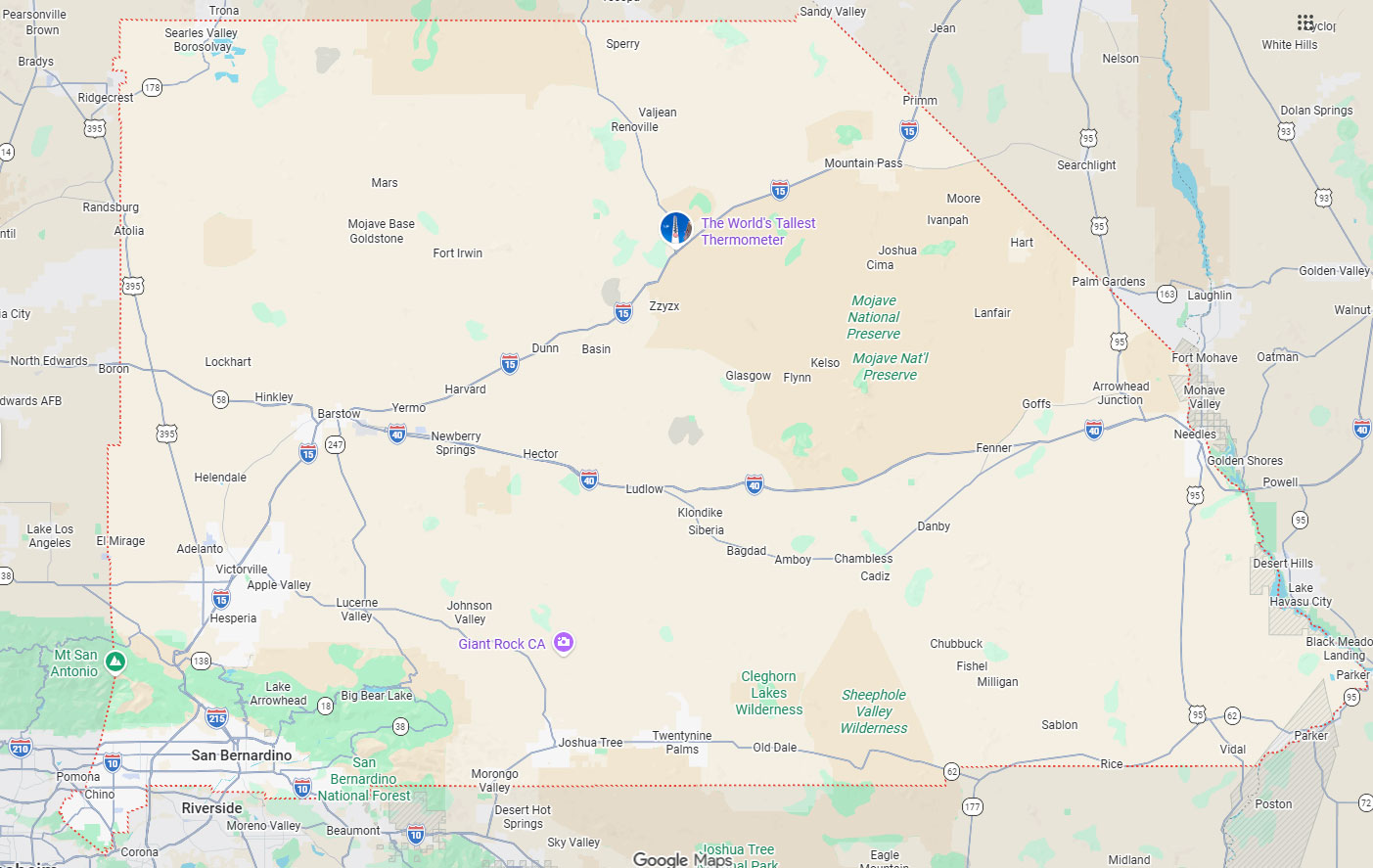
Hayward, CA
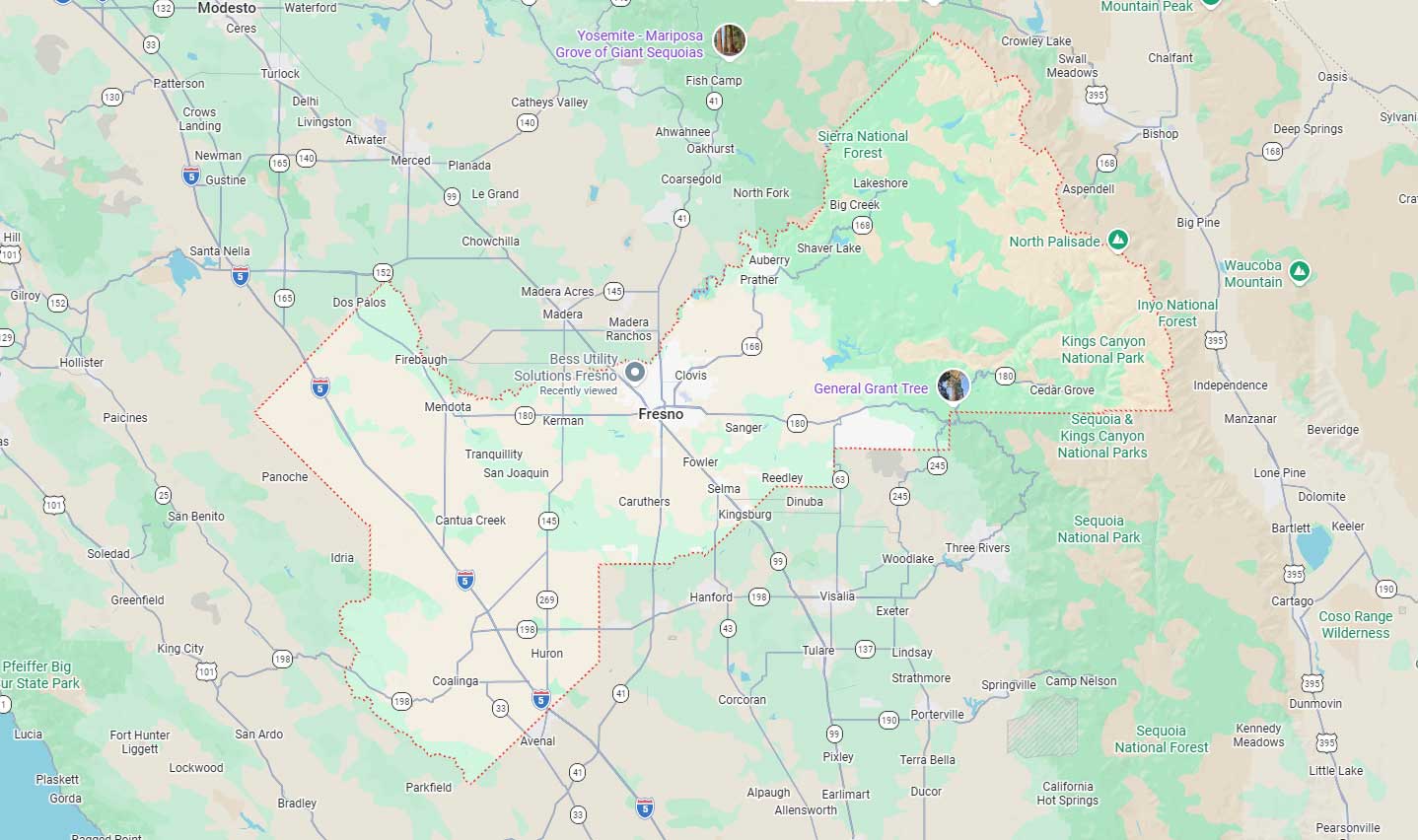
Fresno, CA
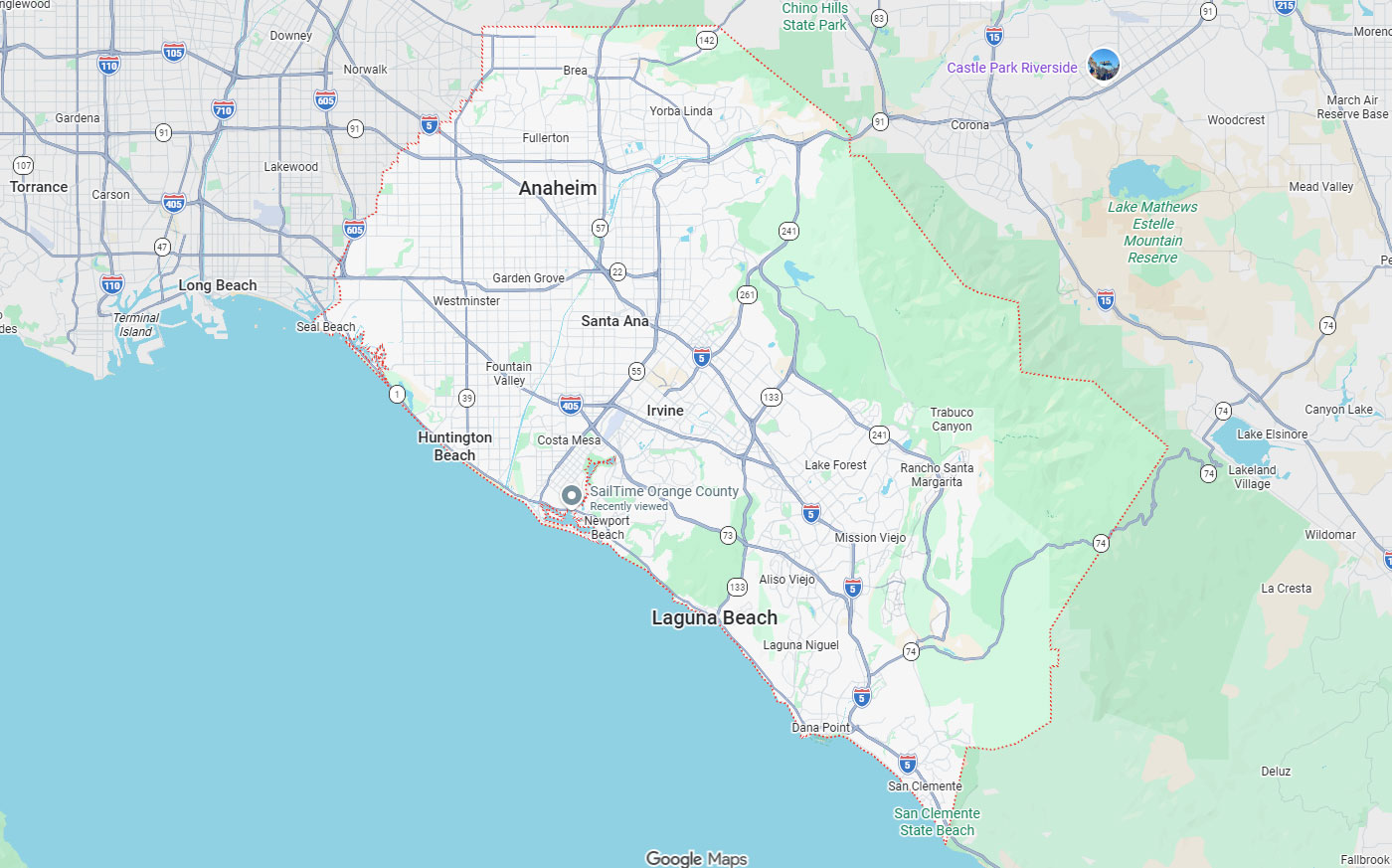
Orange, CA
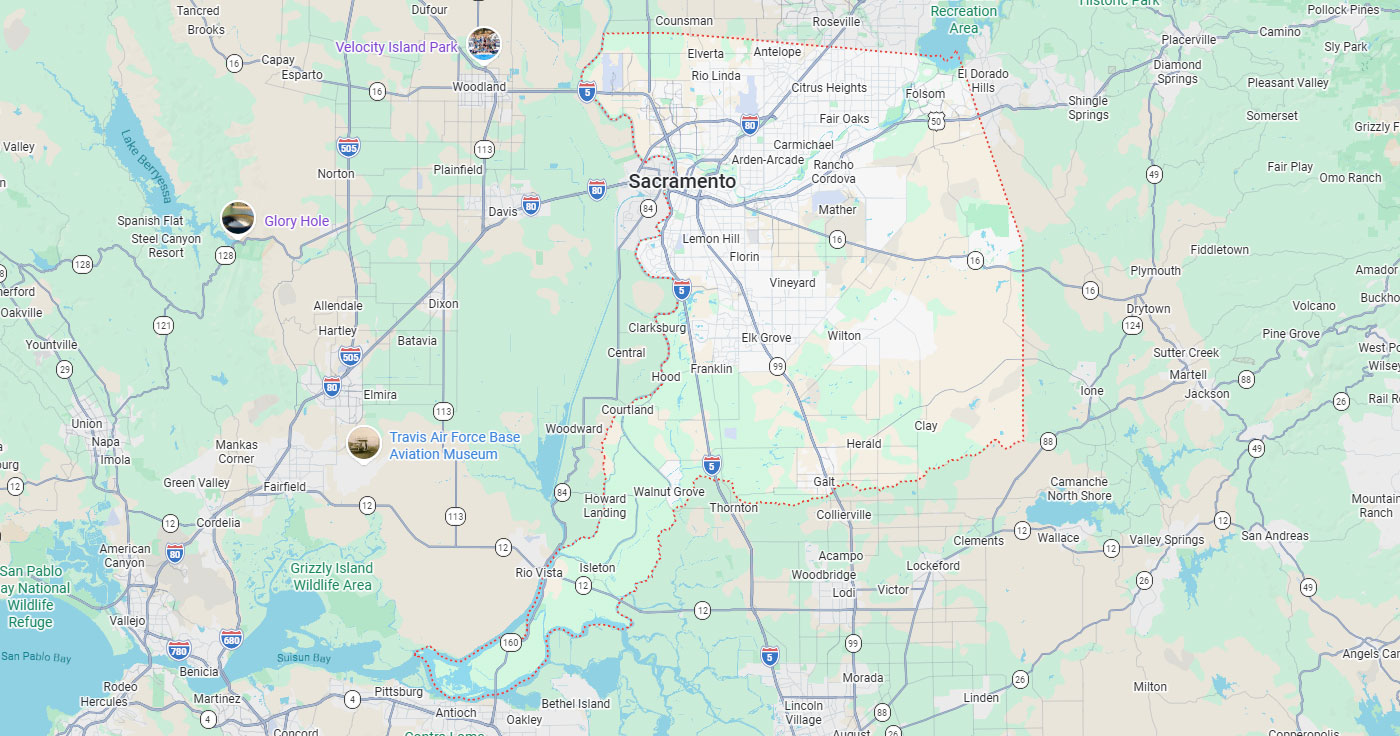
Sacramento, CA
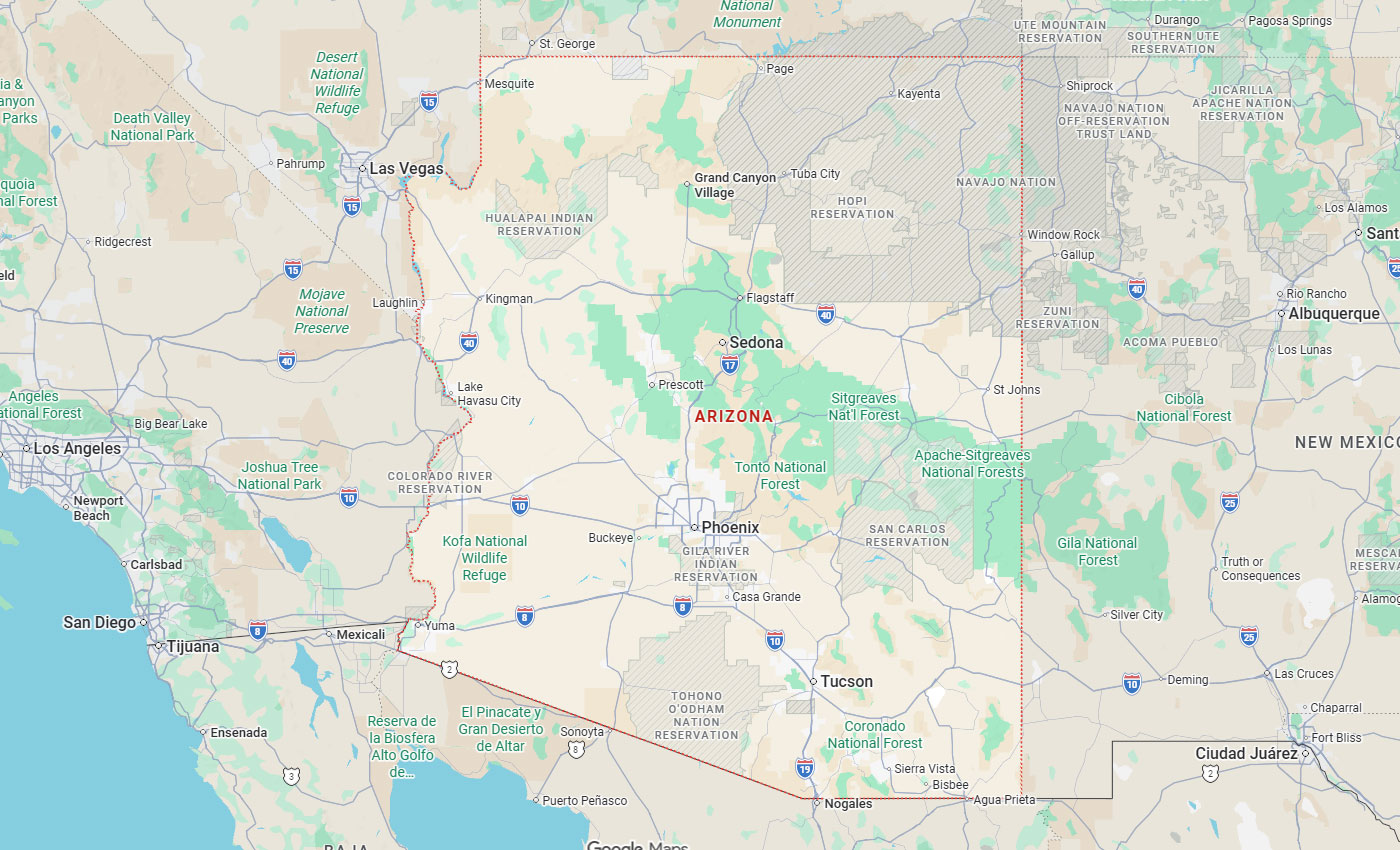
Phoenix, AZ
Planning to build, renovate, or buy property in Hayward means protecting one of the Bay Area's most valuable assets—your real estate investment. Before breaking ground or closing escrow, CCTV pipe inspection reveals hidden sewer line damage that standard home inspections overlook and construction projects can trigger into catastrophic failure. Skipping this step transfers pre-existing liability directly to you, often costing five figures to repair once excavation begins or ownership transfers.
Hayward property owners face unique underground risks that make pre-construction video pipe inspection non-negotiable. The city sits directly on the Hayward Fault, introducing seismic stress to aging sewer infrastructure already decades past design life. Combine fault-zone instability with California’s strict construction compliance requirements—where a compliance certificate may be required before permits close—and the case for visual underground pipe assessment becomes clear: schedule your video inspection now, or pay exponentially more later.
Key Takeaways
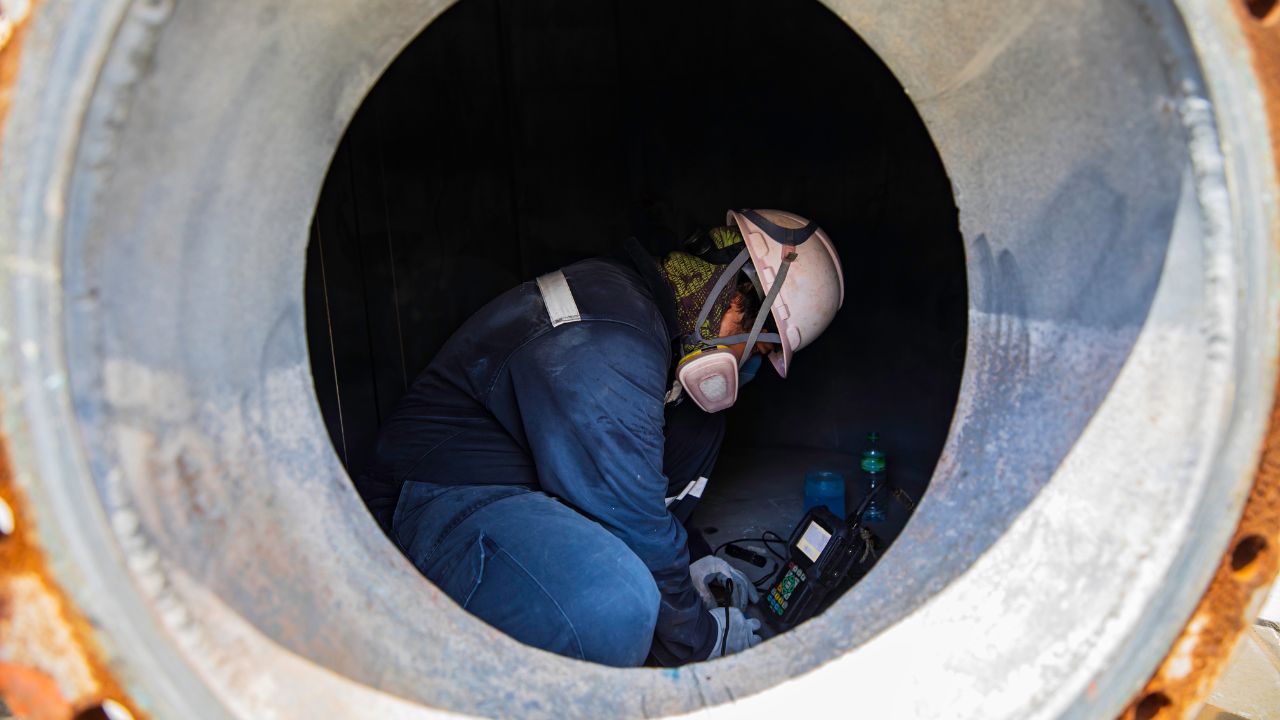
CCTV pipe inspection uses waterproof cameras mounted on flexible cables or wheeled crawlers to visually assess underground pipes. This video camera inspection transmits live footage to a monitor above ground, allowing technicians to identify defects, blockages, and structural damage. A push camera head connects to a cable reel and is manually fed into the pipe through an access point, like a cleanout.
Lateral launch systems represent a more advanced approach for complex pipe networks with multiple branches. A robotic crawler travels up the main sewer line, then deploys a secondary camera into lateral connections. This method detects dangerous cross-bores where gas lines intersect sewer laterals, a hidden hazard that can cause explosions during excavation.
Push cameras are manually operated systems designed for pipes under 10 inches in diameter and run up to 200 feet long. These portable units provide cost-effective inspection for most residential sewer laterals, utility pipes, and irrigation systems, and are the most common choice for Hayward homeowners. Robotic crawlers serve larger applications, navigating pipe lines 6 inches and larger for distances exceeding 1,000 feet with self-propelled wheels and high-resolution cameras.
Lateral launch technology bridges the gap between mainline assessment and branch line inspection in a single deployment. The crawler positions itself at lateral junctions, extends a camera probe into the side branch, and documents conditions without requiring separate access points. Your property's pipe size, layout, and inspection goals determine which system delivers the most accurate underground pipe assessment for your needs.
Buying or building without inspection means you inherit any pre-existing sewer damage that was already present before ownership transferred. Standard home inspections focus on visible systems—roofs, foundations, electrical panels—but rarely include visual examination of buried sewer lines where the most expensive problems hide. Burst pipes and sewage flooding caused by undetected failures can surface weeks after closing, and once you begin construction, that hidden crack or root intrusion legally becomes your responsibility and your financial burden.
The cost differential is stark and entirely preventable with early detection. A pre-purchase inspection costing $400 to $600 identifies a failing lateral before closing, allowing you to negotiate repairs or adjust your offer. Discovering the same failure three months after move-in, when tree roots have completely blocked the line, forces you into a $3,000 to $15,000 emergency replacement with no recourse against the previous owner.
Cross-bores create dangerous conditions where utility companies accidentally drill gas lines through existing sewer laterals during installation. These intersections remain undetected until excavation or sewer cleaning equipment strikes the gas line, potentially causing explosions, evacuations, and project shutdowns. Pre-construction utility surveys identify these hazards before heavy equipment arrives on site.
Deferred maintenance discovered mid-project can lead to $10,000+ replacement costs and weeks of construction delays while permits are secured and repairs completed. Underground utility locating combined with leak detection services before breaking ground catches these issues early, when repair options are planned rather than emergency. The honest tradeoff acknowledges that a pre-construction inspection adds upfront cost and can shift the timeline slightly when problems are found. That minor delay is measured in days; a mid-build sewer failure discovered after foundations are poured is measured in weeks and adds 30% to 50% more cost due to emergency mobilization and project disruption.
Average emergency repair costs range from $1,000 to $5,000 when a blockage or minor break requires immediate attention. Full excavation and replacement jumps to $10,000 to $50,000 or more, depending on pipe length, depth, and site access constraints like driveways, landscaping, or structural foundations above the lateral. These figures represent reactive spending under time pressure with limited contractor options and premium pricing.
Trenchless rehabilitation costs 30% to 50% less than dig-and-replace methods when inspection identifies damage early enough for planned intervention. This trenchless technology, combined with advanced inspection technology like CCTV pipeline inspections and AI-assisted defect grading, allows precise targeting of damaged sections before any excavation begins. Technologies like Cured-In-Place Pipe lining and epoxy coating restore pipe integrity without excavation, offering 50-year design life at half the cost. Knowing the true condition before construction starts allows you to budget accurately, explore financing options, and select the most cost-effective repair method rather than accepting whatever emergency solution is available when disaster strikes.
Hayward sits directly on the Hayward Fault, one of California's most active seismic zones, introducing constant ground movement stress to underground infrastructure. Earthquake activity causes soil shifting, ground settlement, and lateral pipe displacement that accelerates wear on sewer systems beyond normal aging. The majority of US sewage pipes are over 60 years old, and Hayward's infrastructure follows this national pattern of aging systems nearing failure.
There are over 6 billion feet of sewage pipe in the United States, representing a $1.6 trillion infrastructure crisis. Aging pipes over 60 years old threaten public health through leaks that contaminate groundwater and create environmental hazards from untreated sewage discharge. For Hayward property owners holding median property values of $854,400—more than double the national average—protecting this investment requires acknowledging the dual risk of age and seismicity that makes sewer failures more likely here than in geologically stable regions.
Title 24, the California Building Standards Code, governs all plumbing installations with specific requirements for materials, installation methods, and mandatory inspections. Construction compliance requires inspection before work concealment at the rough-in stage, ensuring all pipes are properly installed before walls close. Title 24 also requires inspection prior to final system use, verifying completed work meets code before occupancy permits are issued.
NASSCO PACP is the national certification standard for grading pipe conditions using consistent defect classification and severity scoring. This standardized assessment language ensures inspection reports are legally defensible, comparable across contractors, and accepted by municipalities for permitting decisions. EPA 40 CFR 261 governs disposal of solid and hazardous waste from sewer cleaning, requiring proper handling of debris removed during drain cleaning and inspection to protect groundwater and soil quality in Hayward’s environmentally sensitive Bay Area location.
The inspection crew accesses the sewer line through a cleanout, a capped pipe fitting installed specifically for maintenance access. No cleanout access point may require toilet removal to insert the camera through the drain opening, which increases labor time and cost by $150 to $300. The camera system is matched to your pipe size: a push camera for small residential laterals under 6 inches, or a self-propelled crawler for larger mains and commercial applications.
Footage is captured along the full run of the line from the building connection to the municipal main or septic tank. The technician controls camera speed, lighting, and pan-tilt functions to examine every inch of pipe interior while recording video. CCTV inspection documentation includes distance measurements, defect location markers, and still images of significant findings for inclusion in the final report.
The camera identifies cracks ranging from hairline surface fractures to full-circumference breaks, blockages from grease buildup or collapsed sections, and root intrusion where tree roots penetrate joints searching for water. Pipe misalignment appears as offset joints where sections have shifted vertically or horizontally, and corrosion damage shows as deteriorated pipe walls or missing material. Each defect type carries different repair urgency and cost implications for your construction timeline.
Cross-bores and other hidden hazards are identified before excavation begins, preventing dangerous utility strikes that cause injuries, service outages, and project shutdowns. A condition record graded to NASSCO PACP standards gives you a defensible, standardized assessment that municipalities accept for permitting decisions. This documentation protects you legally by establishing baseline conditions before your ownership or construction activity, shifting liability for pre-existing damage back to the appropriate party.
Pre-construction scheduling requires camera inspection 2 to 4 weeks before your project start date. This window allows time to receive the report, evaluate findings with your contractor, obtain repair bids if needed, and adjust construction plans or budgets. Scheduling too close to the groundbreaking risks delaying your entire project if significant damage requires repair before building permits are issued.
Pre-purchase scheduling must occur before closing on the property to preserve your negotiating position. Inspection findings become leverage for price reduction, seller-funded repairs, or contract contingencies that protect you from inheriting expensive problems. Waiting until after closing transfers all repair costs to you with no recourse, making the $400 to $600 inspection fee the cheapest insurance policy in your real estate transaction.
The national average for residential CCTV pipe inspection ranges from $250 to $500 for standard single-family laterals under 150 feet. Bay Area residential inspection pricing averages $400 to $600 due to higher labor costs, business expenses, and demand for certified inspection services meeting California's strict quality standards. Additional costs apply for cleanout installation if your property lacks existing access points, toilet removal when cleanouts are unavailable, and premium reporting with NASSCO PACP certification for municipal permit applications.
A preventive inspection priced at $300 to $500 represents a fraction of emergency repair costs that range from $1,000 to $5,000 for urgent fixes. Full lateral replacement after construction has begun escalates to $15,000 to $30,000 when contractors must work around foundations, landscaping, and active construction zones. The cost comparison is straightforward: invest $500 now for verified knowledge, or risk five-figure surprise expenses when problems surface mid-project.
Trenchless rehabilitation costs 30% to 50% less than traditional dig-and-replace methods by eliminating excavation, surface restoration, and landscape replacement expenses. These no-dig technologies insert epoxy-saturated liners or spray coatings inside existing pipes, curing in place to create a new pipe within the old one. Trenchless methods offer 50-year or greater design life with warrantied performance that matches or exceeds new pipe installations.
Early detection through inspection before excavation allows you to choose optimal repair methods rather than accepting emergency solutions under time pressure. Trenchless rehabilitation includes Cured-In-Place Pipe lining for structural restoration and epoxy coating for corrosion protection and minor crack sealing. Both options cost significantly less than full replacement while preserving your property's landscaping, hardscaping, and surface features that would otherwise require expensive restoration after traditional excavation.
Manual review of CCTV footage underestimates defect severity about 15% of the time due to fatigue, inconsistent interpretation, and human error. The same manual process overestimates severity about 20% of the time, leading to unnecessary repair recommendations that waste homeowner money. These accuracy problems stem from subjective judgment applied to thousands of linear feet of video across multiple properties each day.
AI systems achieve up to 99% defect detection accuracy by applying consistent analytical criteria to every frame of footage. Machine learning algorithms trained on millions of pipe images recognize crack patterns, root intrusion, and structural damage with precision that eliminates human variability. AI completes reviews roughly 6 times faster than manual methods, reducing report turnaround from days to hours while maintaining higher accuracy standards than traditional inspection workflows.
An AI-assisted workflow nearly doubled daily production in documented case studies, achieving a 98.95% increase in linear feet inspected per crew per shift. Manual workflow, averaging about 1,352 linear feet per crew per shift, limits how many properties can be served daily. AI-assisted workflow averaging about 2,691 linear feet per crew per shift means faster scheduling, shorter wait times, and lower per-foot inspection costs passed to property owners.
This productivity gain requires no additional capital expenditure for new equipment or expanded crew sizes. The same technicians using the same camera systems inspect twice as much pipe by offloading review and grading tasks to AI software. Faster inspections with higher accuracy directly benefit Hayward property owners through improved construction project planning and reduced inspection costs as service providers leverage technology to operate more efficiently.
Bess Utility Solutions brings 29 years of subsurface utility engineering experience to every inspection, combining technical expertise with deep knowledge of California’s regulatory requirements. As a CPUC-certified MBE/DBE firm, Bess maintains the highest professional standards while supporting Bay Area diversity goals that many public and private projects require. NASSCO PACP-certified CCTV inspection delivers graded, documented condition reports that municipalities accept without question, eliminating permitting delays and ensuring construction compliance at every project phase.
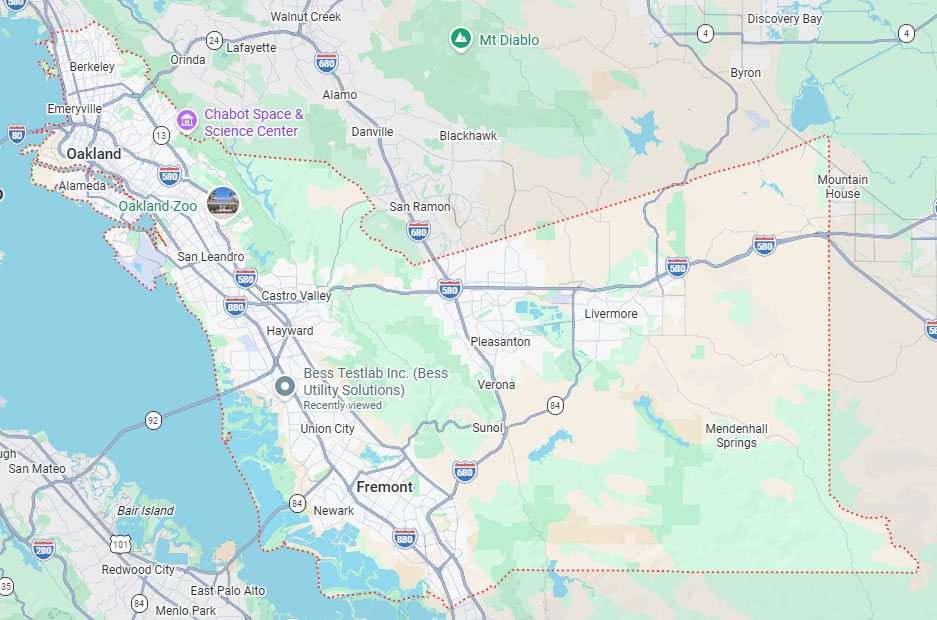
Over 1,000 satisfied clients across California trust Bess for accurate, responsive service that prevents costly project disruptions and protects property investments. The one-stop-shop model combines CCTV pipeline inspections, underground utility locating, ground penetrating radar scanning, and trenchless-ready diagnostics under one roof, eliminating coordination headaches and finger-pointing between multiple contractors. Local Bay Area coverage ensures fast, reliable Hayward scheduling with crews who understand regional geology, fault-zone challenges, and municipal requirements that make or break construction timelines and budgets.
Protecting your Hayward property investment starts with knowing what lies beneath the surface before construction begins. Whether you’re buying, building, or renovating, video pipe inspection and utility locating services provide the verified data you need to budget accurately, prevent liability transfer, and avoid mid-project disasters. Bess Utility Solutions has helped thousands of Bay Area property owners make informed decisions that save money and eliminate construction surprises.
Schedule Your CCTV Pipeline Inspection With Bess Utility Solutions
Hidden pipe damage, burst pipes, and sewage flooding can turn a straightforward Hayward construction project into a six-figure crisis. Bess Utility Solutions’ NASSCO PACP-certified technicians use advanced video camera inspection, ground penetrating radar, and leak detection equipment to give you a complete picture of what’s underground before a single shovel goes in the ground. With 29 years of experience, CPUC-certified MBE/DBE status, and 1,000+ satisfied clients across California, our team delivers the CCTV pipeline inspections, underground utility locating, and utility locating services that Hayward property owners trust to protect their investments. Contact Bess Utility Solutions today to schedule your pre-construction inspection and get the compliance certificate documentation your project requires.