Hayward, CA
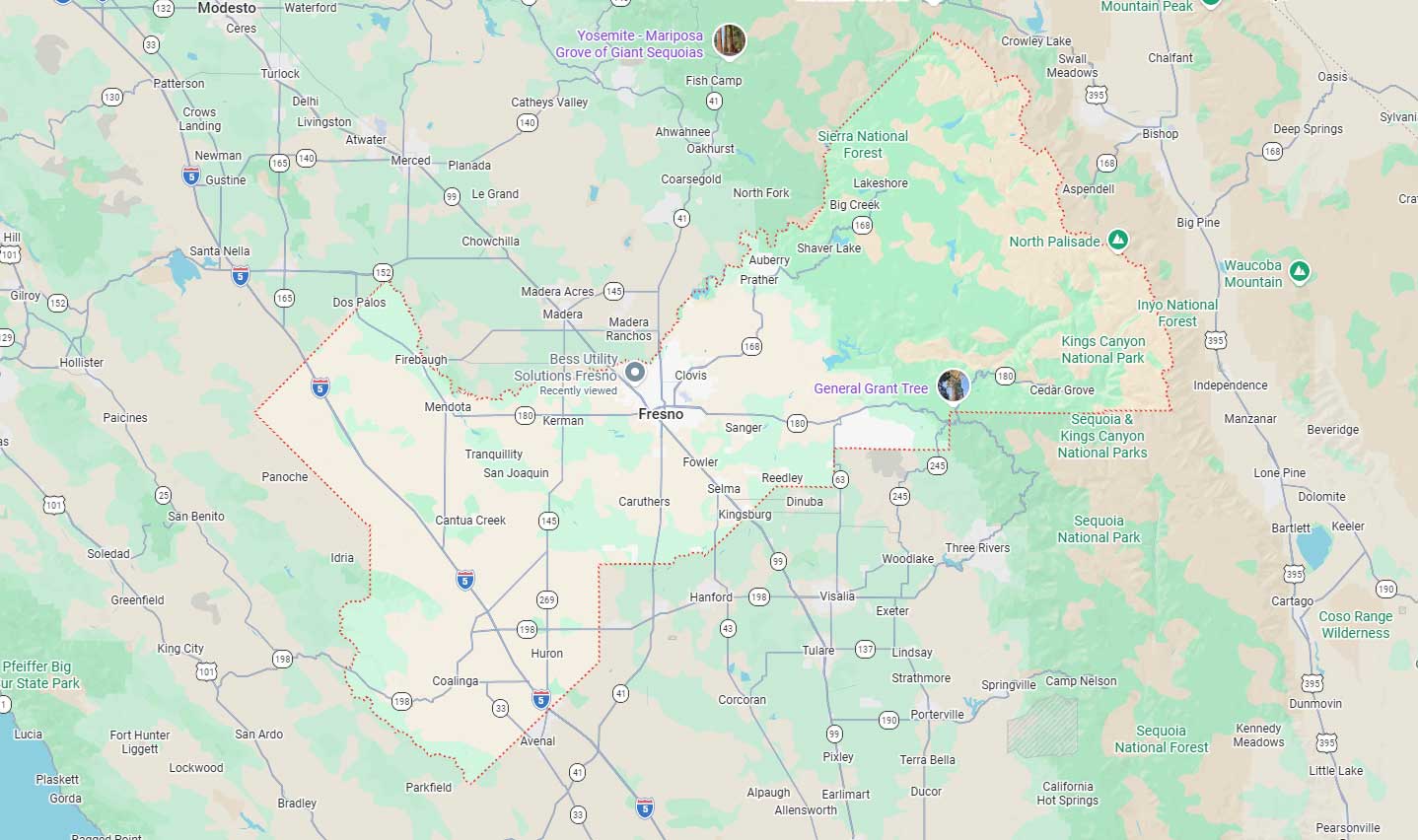
Fresno, CA
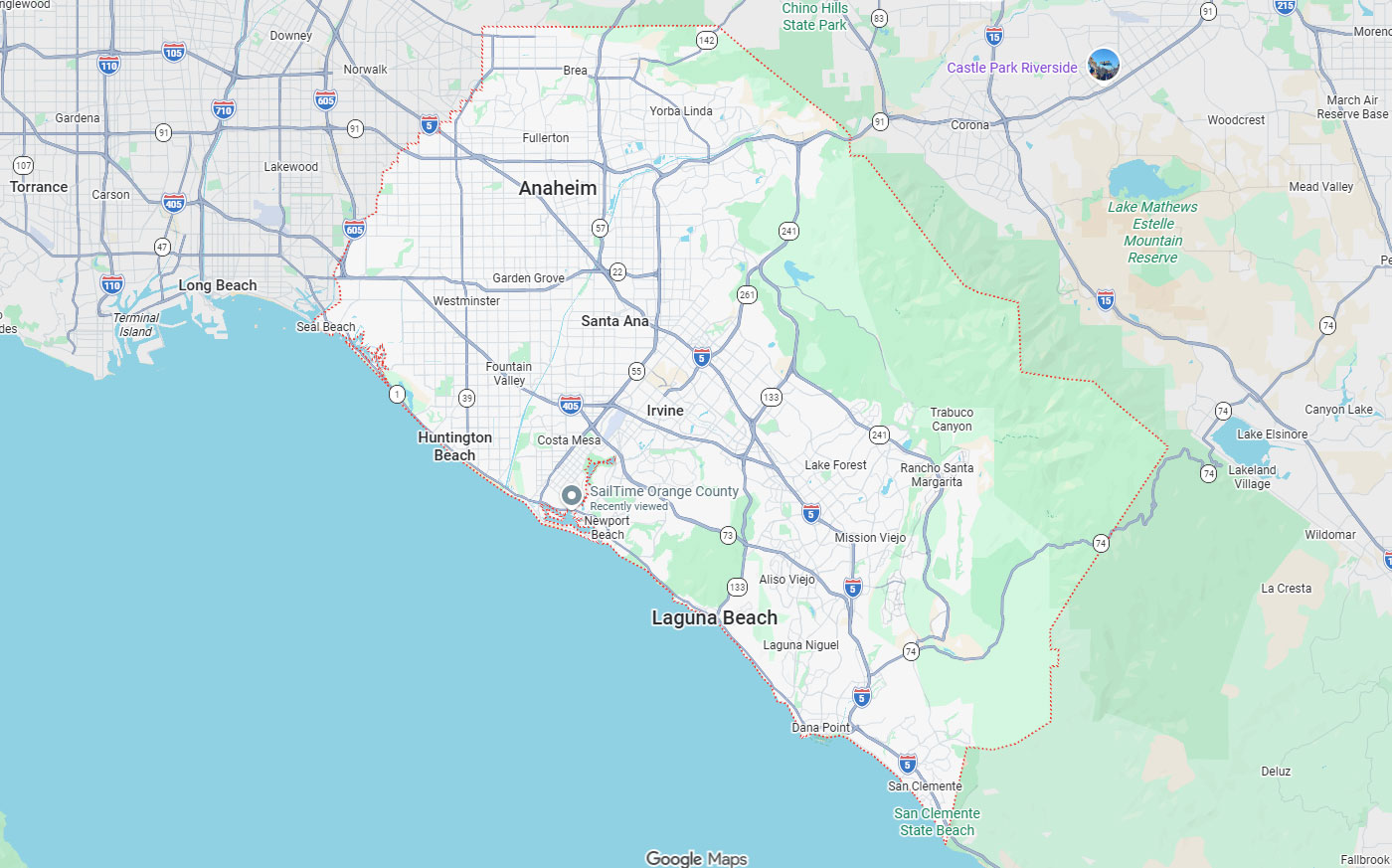
Orange, CA
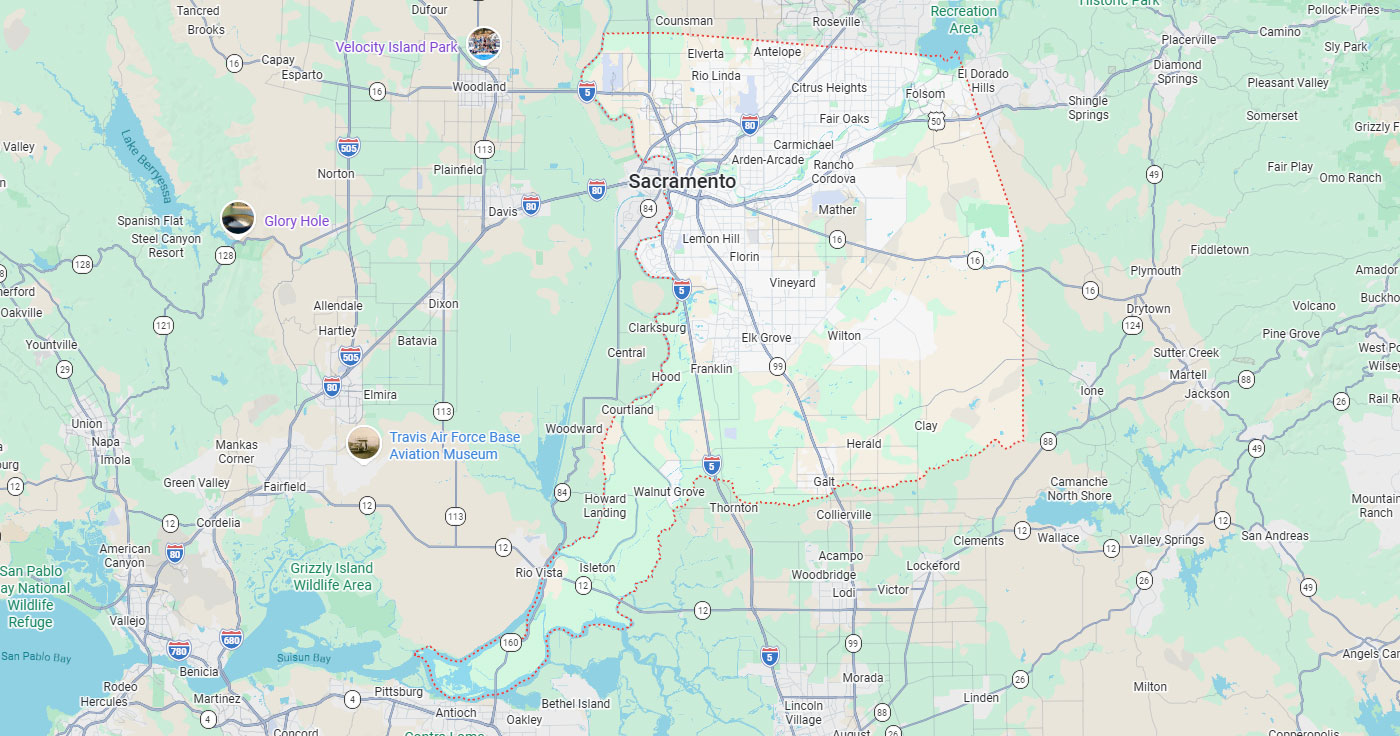
Sacramento, CA
Phoenix, AZ
California operators commissioning CCTV pipe inspections constantly see "PACP-coded" in scopes, proposals, and contract documents. What NASSCO PACP standards actually require, and why clients should insist on them, is rarely explained in practical terms.
NASSCO PACP creates a universal language that makes inspection reports defensible, comparable across providers, and actionable for engineering decisions. This article covers three essential angles: how the PACP condition grading system works, what PACP reporting standards include, and why PACP-coded work matters specifically for California projects. Bess Utility Solutions brings 29 years of subsurface engineering experience, CPUC-certified MBE/DBE status, and ASCE 38-02 compliant work across California, Arizona, and Nevada to PACP-coded inspection programs.
Key Takeaways
NASSCO developed the Pipeline Assessment Certification Program to standardize how trained operators document defects during CCTV pipe inspection. Before PACP, every inspection company used its own coding system, which meant reports were rarely comparable across providers or jurisdictions.
PACP gives the industry a single defect taxonomy where every observation gets a consistent code, severity grade, and location reference. The current standard is PACP Version 7.0, with enhanced defect coding procedures and updated quality-control guidelines released in April 2022.
The National Association of Sewer Service Companies created PACP to eliminate inconsistent defect documentation across the pipeline inspection industry. Every inspection now gets the same structured approach: a standardized code for each defect type, a numeric severity grade, and precise location data.
Version 7.0 introduced format improvements that make coded data more accessible to engineering teams and asset management software. The April 2022 quality-control guidelines established rigorous standards for accuracy that support regulatory reporting and capital planning workflows.
More than 200 municipalities across North America have adopted NASSCO PACP standards as the mandatory standard for contracted inspection work. Engineering and asset management professionals support the standard at approximately 95%, based on independent surveys across municipal and utility sectors.
For California operators, the practical benefit is comparability: a PACP grade 3 defect on a 2018 inspection means the same thing as a grade 3 defect on a 2026 inspection by a different provider. That comparability makes long-term asset management programs, capital planning, and regulatory reporting possible.
Each defect documented during a CCTV inspection receives a numeric severity grade from 1 to 5. Grade 1 indicates minor defects requiring no immediate action, suitable for routine monitoring.
Grade 2 marks minor defects that may need attention in future inspection cycles. Grade 3 identifies moderate defects where repair or rehabilitation should be planned in the current capital cycle.
Grade 4 indicates significant defects that need repair before the next inspection cycle to prevent worsening. Grade 5 marks severe defects requiring immediate attention where failure may be imminent.
Each grade is supported by specific defect-type codes covering structural issues like cracks, fractures, breaks, deformation, and collapse. Operational and maintenance defects include deposits, roots, and infiltration, while construction features cover taps and intruding seal materials.
Engineering teams group segments by PACP grade, deterioration rate, and downstream consequence to set the rehabilitation queue. The queue is the foundation of an asset management program that California public agencies use for capital planning.
Grade 1–2 defects route to monitoring and routine cleaning schedules. Grade 3 defects route to planned trenchless rehabilitation, typically CIPP lining or point repair, on the next capital cycle. Grade 4–5 defects route to expedited replacement through pipe bursting or open-cut replacement. Insist on PACP-graded reporting if your project supports a multi-year capital plan, requires defensible documentation for Regional Water Board reporting, or feeds into replacement engineering decisions. For California clients managing public infrastructure and stormwater drainage systems, this grading framework turns inspection data into defensible capital priority lists.
A PACP-compliant inspection report contains header information, including project ID, inspection date, weather conditions, pipe identification, and inspector certification number. Pipe characteristics include size, material, shape, segment length, and water level at the time of inspection.
The continuous defect log codes every observation with its PACP defect type, severity grade, distance from the start manhole, clock position, and dimensional measurement. Time-stamped video files synchronize with the defect log, so any flagged defect can be visually verified.
Photographs of key defects are standard in PACP reports, with captured still images at significant grade 3+ defects. Summary statistics include total defects by grade, structural and operational defect scores, and overall pipe rating.
These statistics feed directly into engineering and capital planning workflows that California municipalities use for SSMP compliance and MS4 reporting. Standard formats allow direct import into asset management software without manual data translation.
PACP covers gravity sewer pipes, but NASSCO also maintains companion certifications that complete comprehensive inspection programs. MACP (Manhole Assessment Certification Program) documents the condition of manholes, vaults, and catch basins using the same severity-grade framework.
LACP (Lateral Assessment Certification Program) documents the condition of lateral connections and service lines using the same defect-coding language. For comprehensive California inspection programs covering stormwater MS4 compliance and municipal asset management, all three standards typically apply. Request PACP coding for pipes, MACP coding for catch basins and manholes, and LACP coding for laterals if your project covers a full storm drain or sewer system—single-program coverage leaves gaps in regulatory reporting and asset management workflows.
Regional Water Quality Control Boards increasingly expect PACP-coded reports as the documentation standard for MS4 annual reporting, SSMP requirements, and TMDL compliance. Lenders financing commercial development require subsurface documentation that survives underwriting review—PACP-coded evidence does, while narrative inspection notes generally do not.
Insurance carriers writing builder's risk and environmental liability policies look favorably on documented PACP inspections because quantified defect data reduces underwriting uncertainty. Engineers signing and stamping plans rely on PACP-coded condition data as the basis for design decisions.
Uncoded inspections rarely meet the standard of care expected on public-agency or institutional California projects. For California clients managing infrastructure that supports utility locating and excavation projects, PACP coding is the difference between an inspection report that holds up to third-party scrutiny and one that triggers re-inspection requests.
Engineers require defensible documentation that meets professional liability standards. PACP-coded reports provide quantified evidence that supports stamped plans and protects against claims of inadequate investigation.
Uncoded inspection reports rely on narrative descriptions written by the operator—useful for the inspecting crew but not comparable to other inspections or defensible in third-party review. PACP-coded reports use a standardized defect taxonomy that any engineer, agency reviewer, or lender can interpret without context from the original crew.
Year-over-year comparison works only with coded data: an uncoded note that says "moderate root intrusion" cannot be tracked against a previous inspection that said "significant root growth." For any California inspection where the report will outlive the original crew's institutional memory, choose PACP-coded work over uncoded inspection—the cost difference is minor, but the documentation difference is significant. Bess Utility Solutions delivers PACP-coded reports that California public agencies, municipalities, and military installations accept without rework.
Automated Defect Recognition systems use AI to flag potential defects in real time during inspection, then propose PACP codes for human operator review. Commercial AI platforms, including SewerAI's AutoCode and Jacobs' Dragonfly process CCTV footage automatically and surface defects that would otherwise be caught only on post-inspection review.
AI defect classification reduces operator fatigue and improves consistency across long inspection days where manual coding accuracy tends to drop. For California operators running system-wide programs alongside hydro vacuum excavation and utility exposure projects, AI assistance pushes production from roughly 1,350 to 2,690 linear feet per shift—making large-scale inspection economically viable.
AI processes video footage at speeds impossible for manual review, identifying patterns that trained operators might miss on first pass. Machine learning models trained on millions of coded inspections can propose defect classifications with high confidence scores.
The productivity gain allows California municipalities to inspect more infrastructure within the same budget cycle. Systems that combine AI-assisted recognition with advanced mapping technologies create inspection programs that scale across entire municipal service areas.
PACP certification belongs to trained human operators, not algorithms—the standard requires a certified individual to sign off on the final defect coding. AI proposes; certified PACP operators confirm, adjust, and add context that algorithms miss, including unusual defects, ambiguous patterns, and pipe conditions specific to California materials and construction history.
For California municipal and engineering work managing water and sewer line infrastructure, the strongest workflow combines AI-assisted coding for throughput with PACP-certified operators for accuracy and defensibility. Choose an inspection provider whose PACP-certified operators drive the final coding, with AI assistance as a productivity tool rather than as a replacement for trained judgment.
PACP-certified operators on staff should have current certification, not lapsed credentials that may not meet regulatory requirements. MACP and LACP coverage matters when stormwater catch basins or laterals are part of the scope.
California-specific regulatory experience includes knowledge of Regional Water Board expectations, MS4 reporting formats, SSMP requirements, and CEQA documentation standards. Integrated subsurface capability means providers offering CCTV plus GPR, EM locating, and vacuum excavation under one ASCE 38-02 compliant scope eliminate handoff delays across multiple specialty vendors.
Verify current certification status before awarding contracts, as expired certifications do not meet industry compliance standards for NASSCO PACP work. Multi-standard capability covering PACP, MACP, and LACP ensures complete documentation across all infrastructure components.
Regional regulatory knowledge specific to California requirements prevents rework and rejection during agency review. Integrated service delivery reduces coordination complexity and accelerates project timelines.
Bess Utility Solutions brings 29 years of subsurface engineering experience across California, Arizona, and Nevada to every PACP-coded inspection program. CPUC-certified MBE/DBE status qualifies Bess for municipal, public agency, and federal contracts.
The integrated service suite includes CCTV, GPR, EM locating, vacuum excavation, and 3D subsurface mapping under one scope. Over 1,000 satisfied clients include municipalities, utility companies, engineering firms, general contractors, and military installations across the region. ASCE 38-02 compliant deliverables include PACP-coded pipe reports, MACP-coded structure reports, LACP-coded lateral reports, GIS-ready outputs, and survey-grade coordinates ready for regulatory reporting and long-term asset management.
California operators commissioning PACP-coded CCTV inspection gain defensible documentation that supports engineering decisions, satisfies regulatory requirements, and holds up to third-party review. NASSCO PACP standards provide the universal language that makes inspection data comparable, actionable, and valuable across project lifecycles. Bess Utility Solutions delivers PACP-compliant work that California public agencies, municipalities, and commercial clients trust for capital planning and regulatory compliance.
When your inspection report has to survive Regional Water Board review, lender underwriting, and a stamped engineering decision, uncoded notes leave you exposed. Bess Utility Solutions delivers PACP-coded pipe reports, MACP-coded structure reports, and LACP-coded lateral reports that hold up to third-party scrutiny and feed directly into your capital planning and MS4 and SSMP reporting workflows. More than 1,000 clients, including municipalities, public agencies, engineering firms, and military installations, rely on our PACP-certified operators for documentation that does not get sent back for rework. Tell us about your project scope, and we will prepare a detailed proposal for PACP-coded reporting that meets your engineering and regulatory standards. Contact us to get started.