Hayward, CA
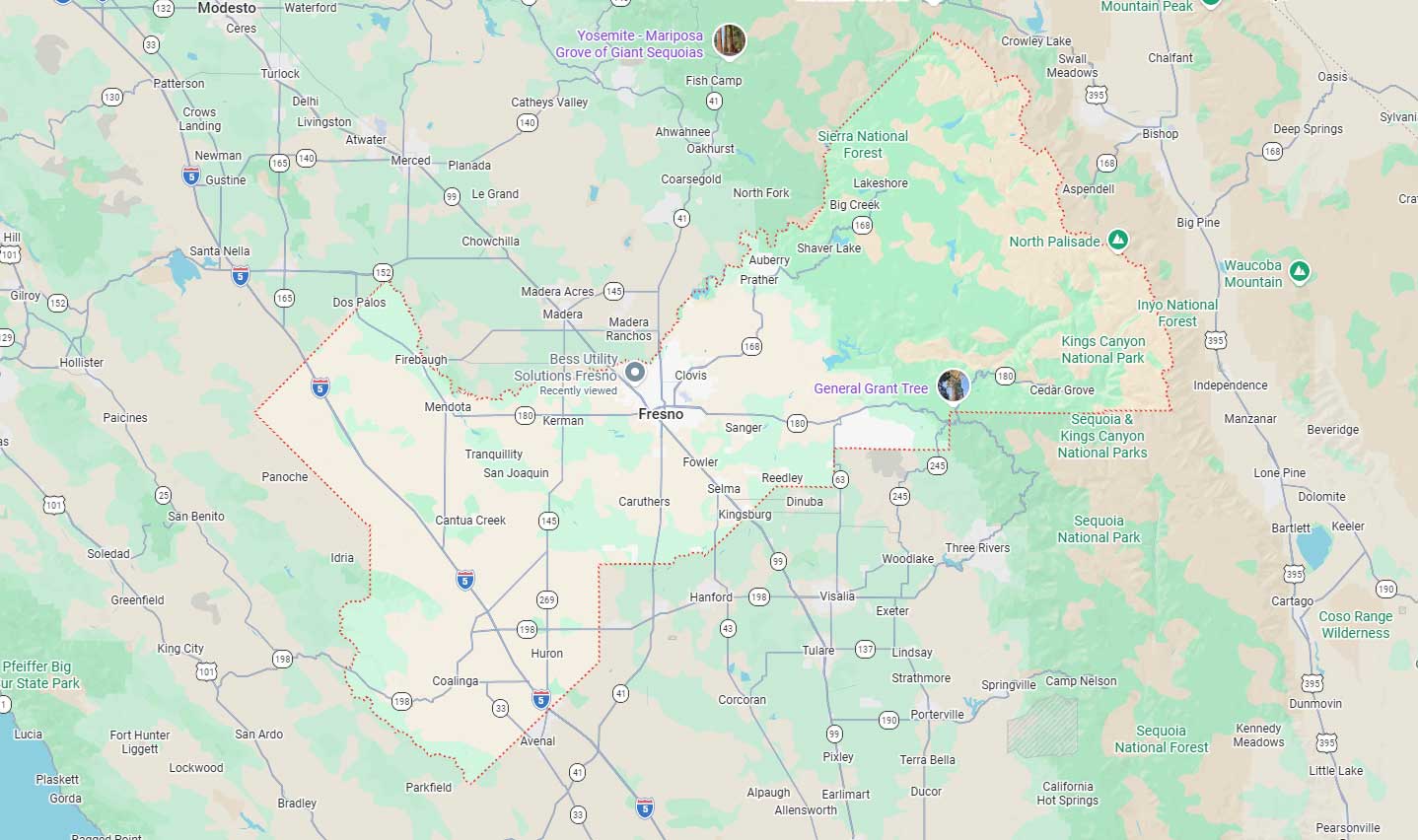
Fresno, CA
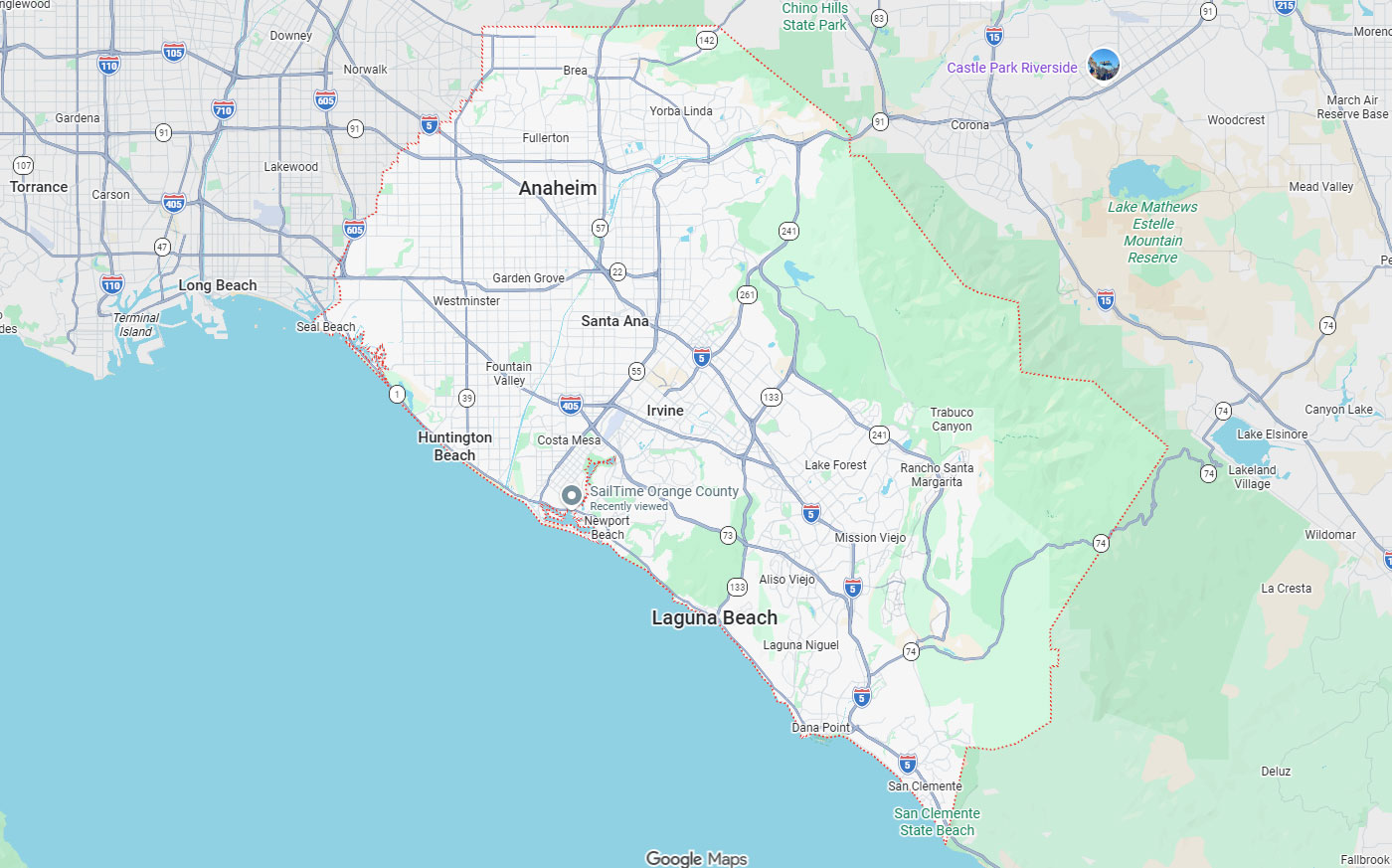
Orange, CA
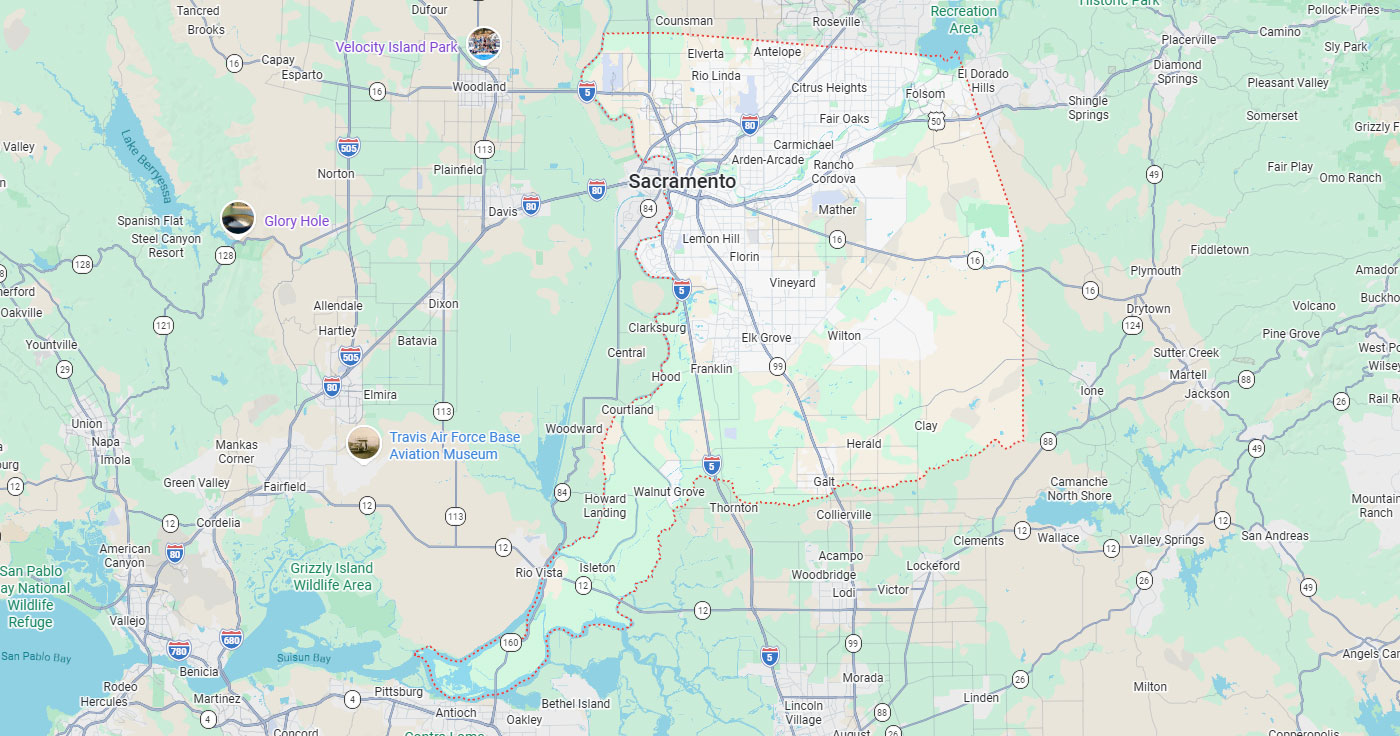
Sacramento, CA
Phoenix, AZ
Key Takeaways
Every year, over 200,000 utility strikes occur across the United States, resulting in $30 to $62 billion in damages, project delays, and legal liability. Most property owners and contractors believe calling 811 fulfills their entire due diligence obligation for safe excavation. This assumption is catastrophically wrong.
The 811 "Call Before You Dig" system marks only publicly owned utilities up to the meter or property line, leaving an estimated 60-65% of all buried infrastructure completely unmarked. Private water laterals, sewer lines, irrigation systems, electrical feeds to outbuildings, and communication cables fall outside 811's legal mandate. Private utility locators fill this critical gap. Understanding when to supplement 811 with professional private locating services is the difference between a successful project and a six-figure disaster.
Calling 811 triggers a notification to member utility operators, who mark the approximate location of their publicly owned facilities up to the meter or property line. This free, federally mandated service prevents strikes on gas mains, electric distribution, telecom networks, water mains, and sewer systems. However, 60-65% of all buried utility lines in the U.S. are private and remain unmarked.
The 811 system protects public infrastructure only. Everything beyond the meter, private laterals, irrigation systems, landscape lighting, secondary electrical feeds, and abandoned utilities, falls outside this scope. These 811 program limitations create a critical safety gap that property owners and contractors must address through professional underground locating services.
What 811 Typically Marks:
What 811 Typically Does Not Mark:
Markings indicate a corridor where the utility is believed to exist, not a precise centerline or depth. State laws define a tolerance zone, typically 18 to 24 inches on either side of the marked line, where only hand-digging or vacuum excavation (potholing) is permitted.
What "Approximate" Means:
The 811 system's legal mandate ends at the meter or property line. Private utilities require specialized detection technologies and professional locating services that 811 does not provide. The total annual cost of excavation-related damages reaches $30-62 billion, with a significant portion from unmarked private utilities. Understanding these utility locating limits is critical to avoiding catastrophic strikes.
Member utilities mark only facilities they own, operate, and maintain. Their legal responsibility ends at a defined handoff point.
Common Reasons Private Lines Aren't Included:
34% of damages are attributed to locating failures, including unlocated private utilities.
"Customer-owned" refers to utility infrastructure beyond the public utility's point of service, typically the meter or property line. At this boundary, ownership, maintenance, and locating responsibility transfer to the property owner. Learn more about the key differences between private vs. public locating.
| Utility Type | Ownership Handoff | 811 Marks? | Private Locate? | Private Property Examples |
| Electric | Meter/weatherhead | Public: Yes | Private: Yes | Lines to garages, pools, outbuildings |
| Gas (Natural) | Meter | Public: Yes | Private: Yes | Lines beyond meter to appliances |
| Propane | Tank/meter | No | Yes | All lines from tank |
| Water | Meter/curb stop | Main: Yes | Lateral: Yes | Yard hydrants, irrigation connections |
| Sewer | Cleanout/property line | Main: Yes | Lateral: No | Private laterals, septic systems |
| Communications | Demarc/NID | Public: Yes | Private: Yes | Private fiber, coax, CCTV between buildings |
Private utility locators use advanced detection technologies to map all buried infrastructure on private property, the 60-65% of utilities 811 doesn't cover. Unlike 811's approximate markings with an 18-24 inch tolerance zone, professional private locators employing Ground Penetrating Radar (GPR) can achieve 95% accuracy under ideal conditions.
They detect non-metallic pipes (PVC, concrete), abandoned utilities, irrigation systems, landscape lighting, private electrical feeds, and all customer-owned infrastructure, providing Quality Level B (geophysical survey) or Quality Level A (vacuum excavation) data.
| Aspect | 811 One-Call | Private Locating |
| Who performs | Member utilities | Private firms (GPRS, USIC, etc.) |
| Scope | Public utilities to meter only | All utilities on private property |
| Who owns lines | Public utilities | Property owner/customer |
| Deliverables | Temporary paint marks (15-28 days) | Digital maps, CAD, photos, depth notes |
| Accuracy | Approximate (18-24" tolerance) | QL-B (geophysical) or QL-A (vacuum excavation) |
Everything beyond the meter or property line is customer-owned and falls outside 811's legal mandate. This creates an extensive category of hidden utilities that private locators detect using electromagnetic induction, Ground Penetrating Radar, acoustic methods, and CCTV inspection.
| Utility Type | Common Private Examples | Why 811 Doesn't Mark | How Located |
| Private Electric | Lines to garages, pools, gates, workshops | Customer-owned beyond meter | EM with tracer wire; GPR |
| Propane & Gas Beyond Meter | Propane lines, gas beyond meter | Not utility member; private-side | EM for metallic; GPR/acoustic |
| Private Water | Laterals, yard hydrants, outdoor kitchens | Customer-owned beyond meter | Acoustic for PVC; GPR |
| Sewer Laterals & Septic | Private laterals, septic tanks, leach fields | Customer-owned beyond cleanout | GPR; CCTV inspection |
| Irrigation Systems | Mainlines, sprinkler valves, drip systems | Fully customer-owned | Acoustic (water pulse); GPR |
| Low-Voltage Lighting | Landscape lighting cables | Customer-owned system | EM if traceable; GPR |
| Communications (Private) | Fiber/coax between buildings, CCTV | Customer-owned beyond demarc | EM with tracer; GPR |
| Drainage & Storm | French drains, private storm drains | Not public storm system | GPR; visual inspection |
Private locators provide critical verification, using geophysical methods to confirm what's actually in the ground versus paint marks. A fiber optic strike can cost $15,000-$56,000 in direct repairs, but indirect costs follow a 29:1 ratio, meaning a $5,000 repair escalates to a $150,000 total impact.
When Verification Is Worth It:
What Verification Produces:
After receiving 811 marks, follow a three-step process: verify what was marked, assess private-side risk areas, and decide on engaging a private locator. Subsurface Utility Engineering (SUE) studies show $3.41 to $22.21 saved for every $1 spent on utility investigation.
The tolerance zone, typically 18 to 24 inches on either side of the utility's outer edge, is where mechanized excavation is prohibited. Only hand-digging or vacuum excavation is permitted. In Titan Earthwork v. City of Federal Way, the Washington Court of Appeals held that striking a marked utility within the tolerance zone establishes strict liability.
| What Varies | Why It Varies | How It Changes Your Plan |
| Tolerance zone width | State law (18"-24") | Determines hand-dig corridor width |
| Advance notice | 2-10 business days by state | Affects scheduling |
| Ticket validity | 15-28 days typical | Long projects need multiple tickets |
| Penalties | $500-$10,000+ per incident | Financial risk of non-compliance |
Common residential and commercial projects routinely intersect private infrastructure that 811 doesn't mark, contributing to 30% of construction projects delayed by utility damage.
| Project | Depth | Likely Private Utilities | Risk | Action |
| Fence posts | 2-4 ft | Irrigation, lighting, gate electric | Med-High | 811 + private locate |
| Deck footings | 3-4 ft | Electric, gas, drainage | Medium | 811 + private near building |
| Pool excavation | 6-10+ ft | Electric, gas, water, sewer/drain | High | 811 + private mandatory |
| Tree planting | 3-5 ft | Irrigation, drainage, laterals | Medium | 811 + private locate |
Case: A Louisville couple spent $10,000 on pool excavation before striking an unmarked sewer lateral, a private utility not covered by 811.
High-Risk Triggers:
The APWA Uniform Color Code standardizes utility identification, but colors indicate only the type of utility, not ownership status. Red marks indicate electric power, but only the public distribution line to the meter.
| Color | Utility | Common Confusion |
| Red | Electric Power | Red marks public only, private electric to garage not marked |
| Yellow | Gas, Oil, Petroleum | Yellow stops at meter, beyond is private |
| Orange | Communication | Orange marks members only, private fiber/coax not marked |
| Blue | Potable Water | Blue marks to meter, private lateral not marked |
| Green | Sewer | May not include private lateral, verify scope |
| White | Proposed Excavation | Excavator's pre-mark, not a utility |
Private utility locating is largely unregulated, meaning service quality varies significantly. Typical rates run $250/hour or $200-$2,000+ project-based.
The CGA Index rose to 96.7 in 2024, showing increasing damages despite widespread 811 awareness. The most common failure is assuming 811 fulfills the excavator's entire due diligence obligation.
49% of homeowners who plan to dig won't contact 811.
If you're excavating on private property beyond the meter, you need private locating. A private locate costs $500-$1,500 while a strike can total $50,000-$150,000 (29:1 indirect cost ratio), delivering a 33:1 to 100:1 return. Federal Highway Administration studies document ROI at $3 to $4.62 saved for every $1 spent.
Two-Call Rule:
Protect your project and your investment. For professional private utility locating services that go beyond 811, contact Bess Utility Solutions to schedule a comprehensive site investigation.