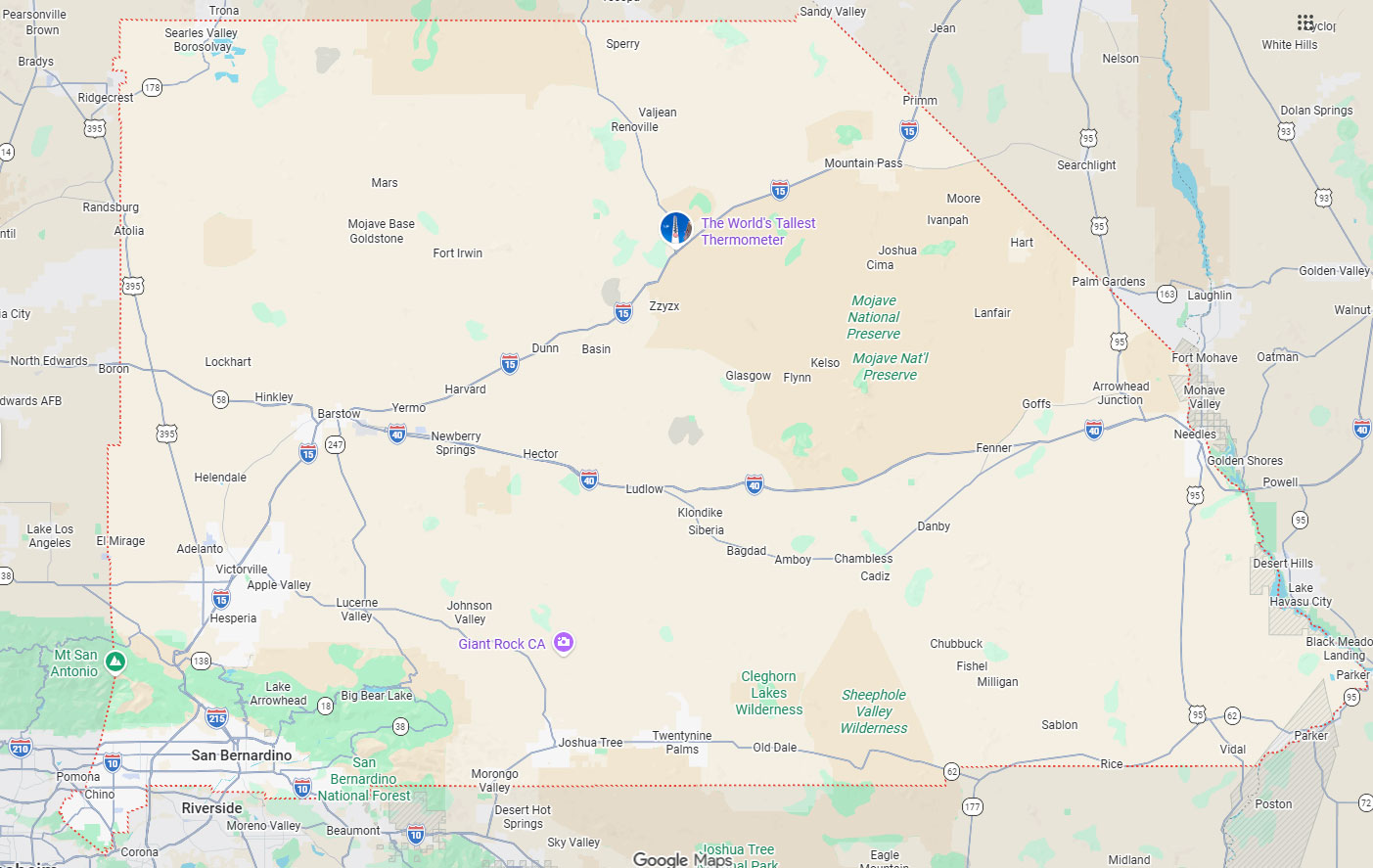
Hayward, CA
Fresno, CA
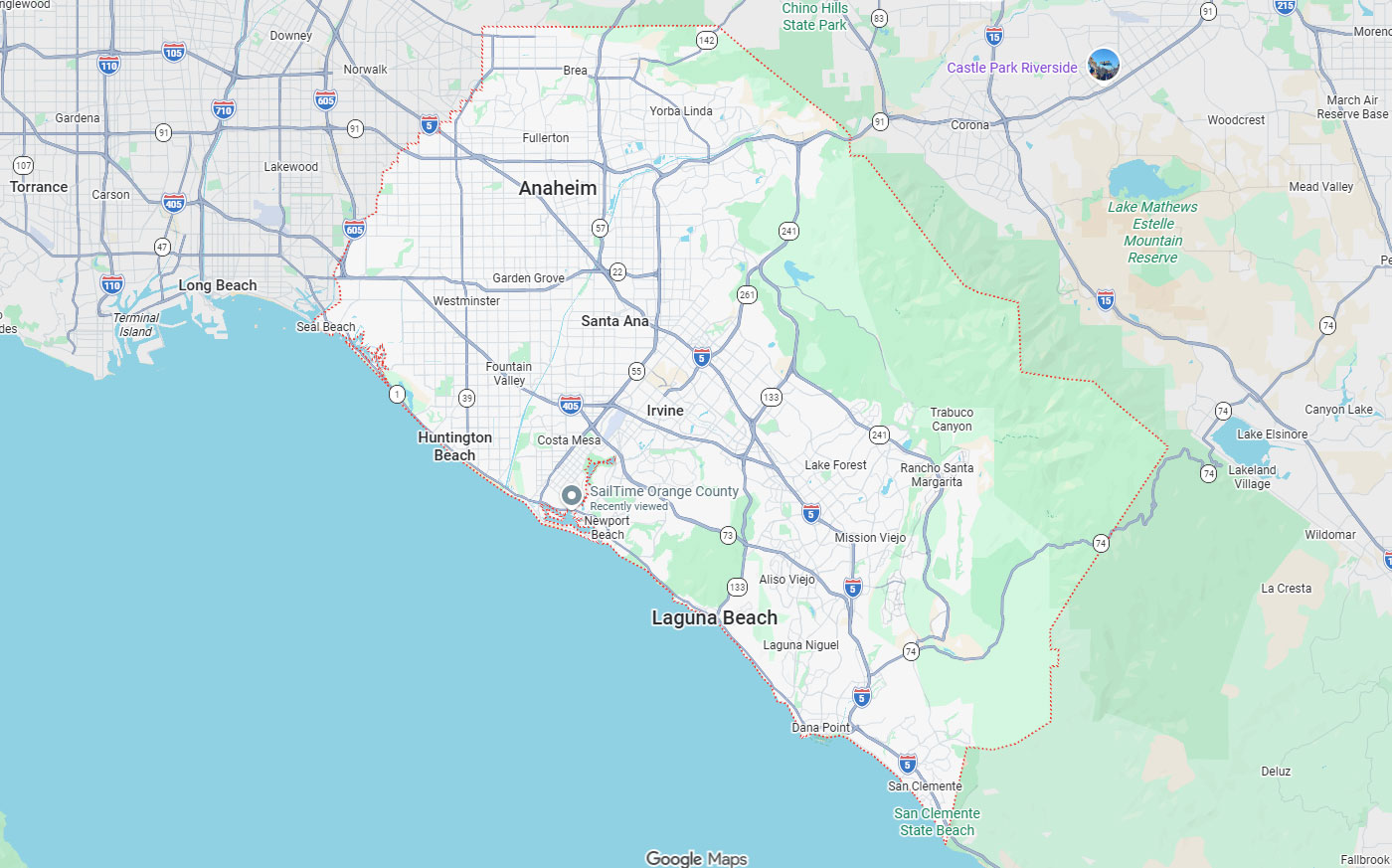
Orange, CA
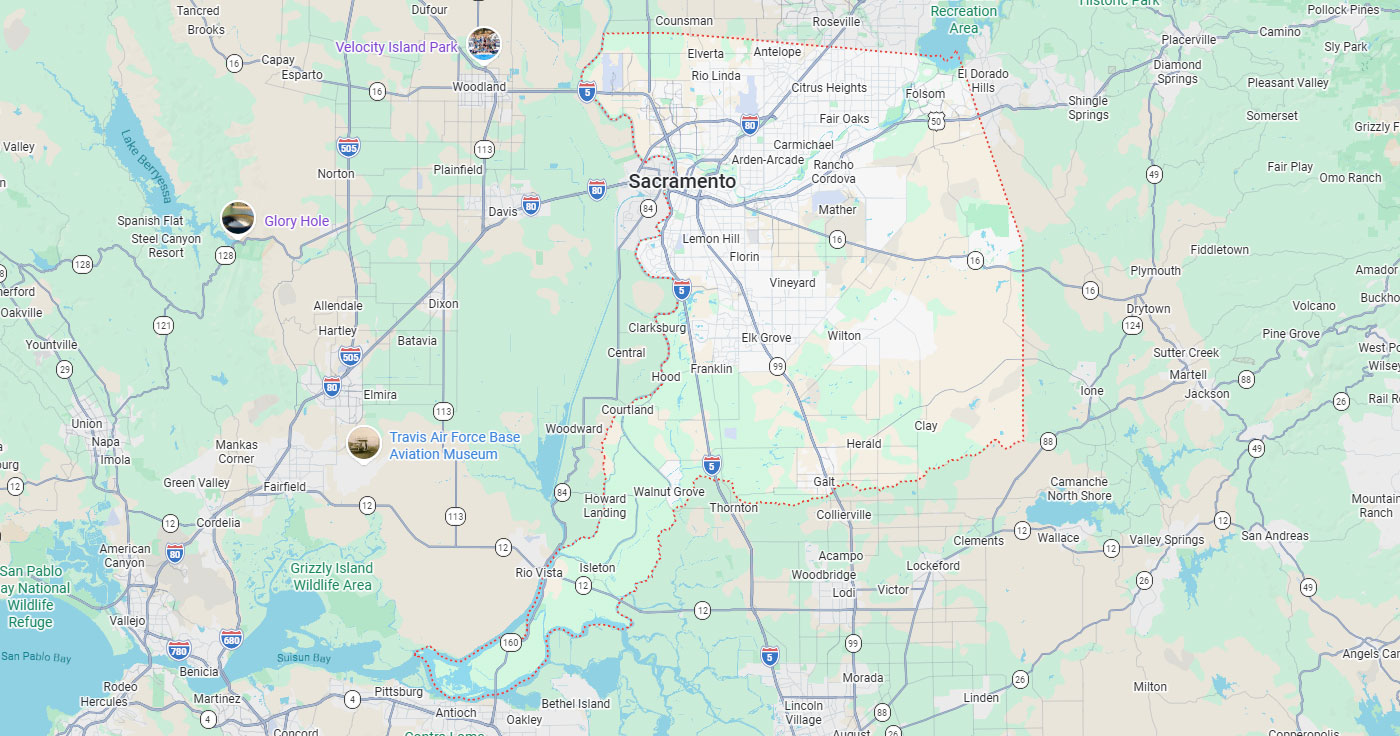
Sacramento, CA
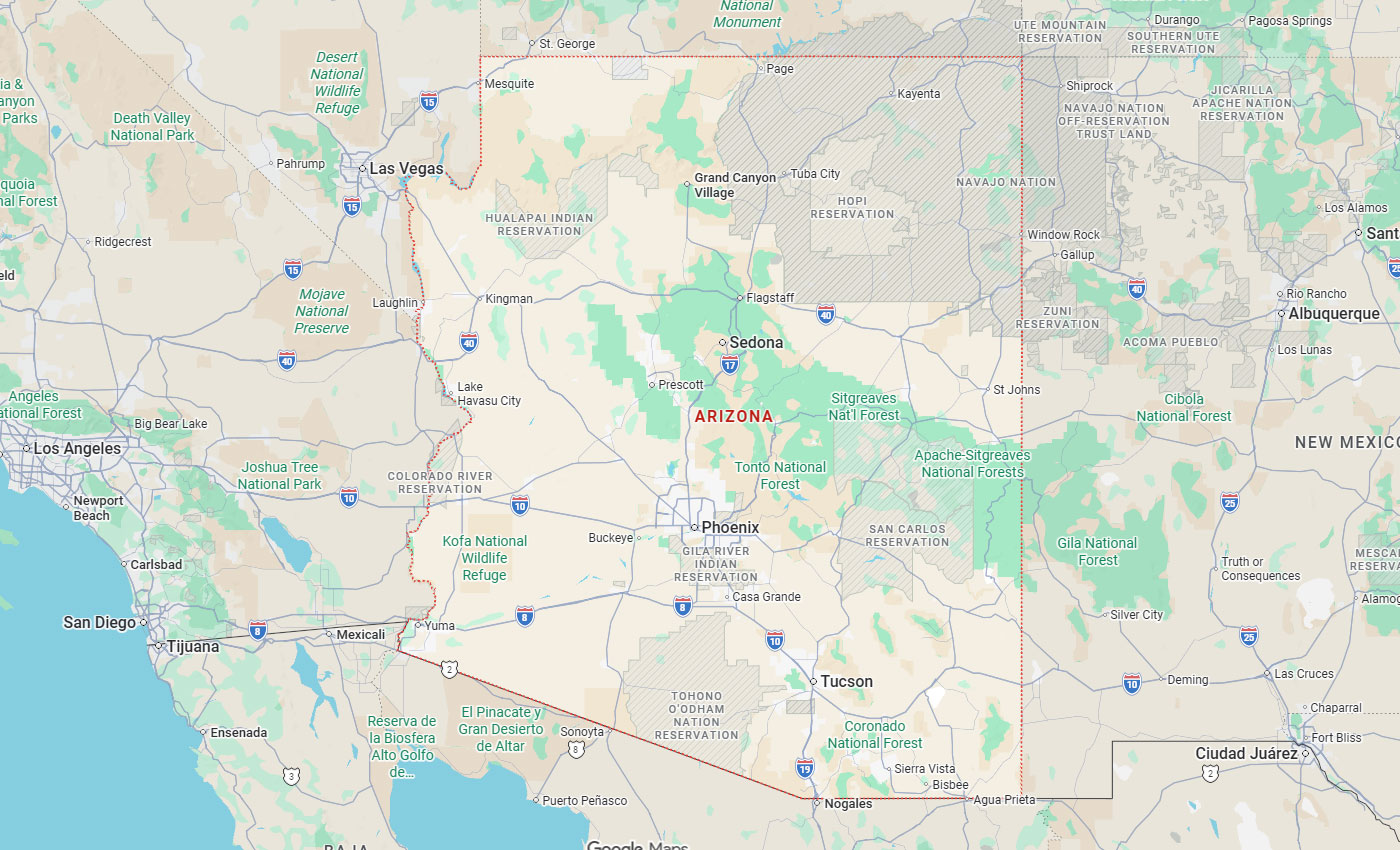
Phoenix, AZ
Key Takeaways:
Winter construction demands certainty where detection methods provide only estimates. Frozen ground, snow cover, and compressed schedules eliminate margins for error. Vacuum excavation or potholing provides the visual confirmation that separates successful winter projects from catastrophic utility strikes. This non-destructive verification method becomes essential when subsurface conditions degrade detection accuracy and consequences of error multiply.
Cold weather transforms routine potholing into complex operations requiring specialized equipment, adapted procedures, and heightened safety protocols. Understanding how vacuum excavation works, why winter amplifies its importance, and how to execute it effectively determines whether projects proceed confidently or halt unexpectedly. This article examines the technology, challenges, and best practices for winter vacuum excavation that protects utilities, workers, and project schedules through the harshest conditions.
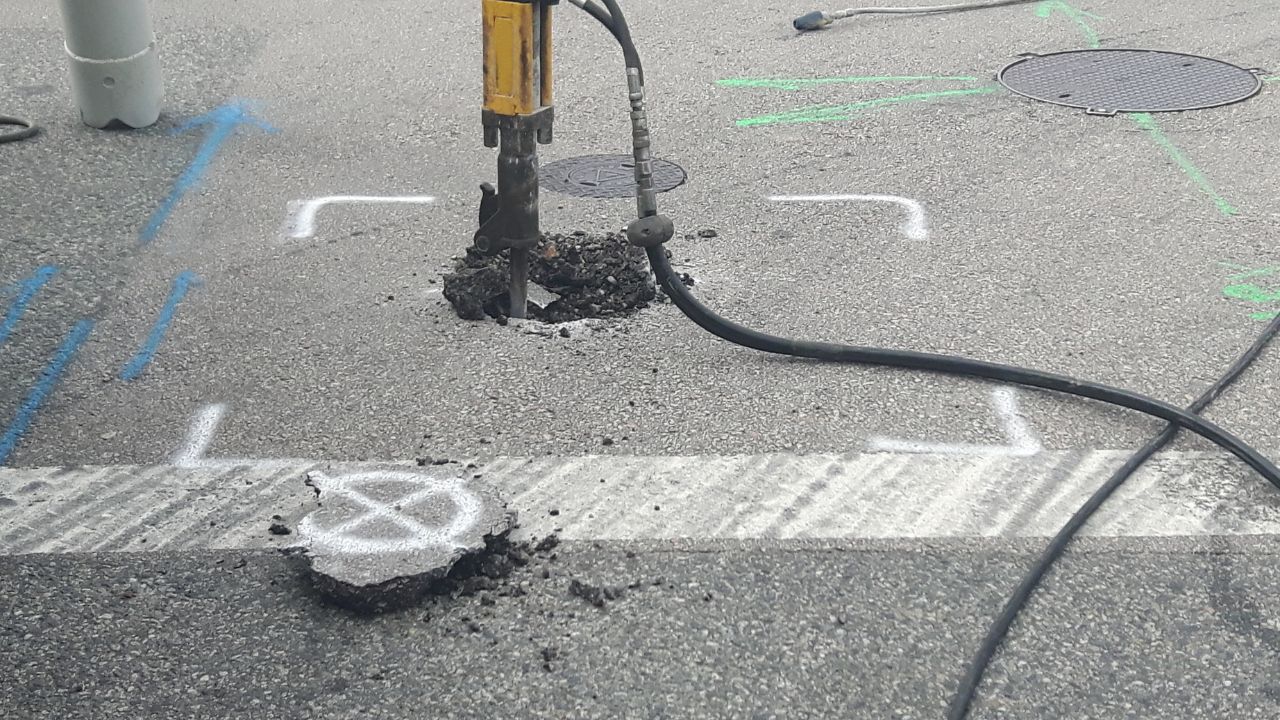
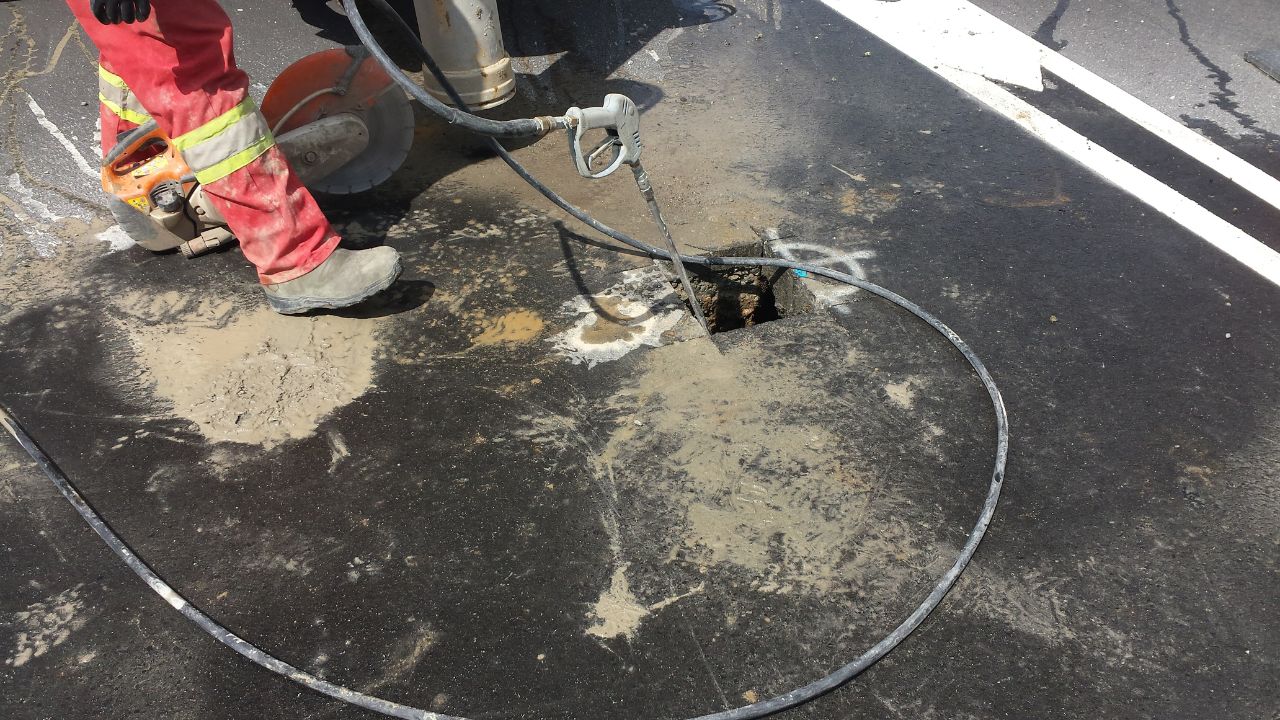
Vacuum excavation, especially hydrovac service, uses pressurized water or air to break up soil, then vacuums the material into debris tanks. This controlled, non-destructive process exposes utilities for visual verification without mechanical excavator damage risk.
Potholing verifies exact horizontal and vertical utility positions through small, precise test holes. The process allows visual identification and accurate depth measurement impossible through detection methods alone. Visual confirmation represents the final and most crucial step in Subsurface Utility Engineering (SUE) before mechanical excavation begins. Potholing provides definitive "eyes-on" confirmation needed to prevent utility strikes when geophysical estimates aren't sufficient for high-stakes excavation decisions.
Two primary methods exist: hydro-excavation and air-excavation. Hydro-excavation uses pressurized water to break up soil, then vacuums material into debris tanks. In cold weather, hydro-excavation proves generally more effective for cutting through frozen ground. Heated water—typically 180-200°F—significantly accelerates the process. However, this introduces moisture that can freeze into hazardous site conditions.
Air-excavation uses high-pressure air streams to loosen soil through a dry process that eliminates freezing spoils risk. This method suits sensitive sites where water causes damage, such as around tree roots or fiber optic lines. However, air-excavation proves less effective and much slower at cutting through dense, frozen soil. Method selection depends on ground conditions, utility sensitivity, and project constraints.
Geophysical methods like GPR and electromagnetic locating provide estimates but aren't foolproof, especially in complex frozen or partially frozen ground conditions. Vacuum excavation provides definitive verification before mechanical excavation commits equipment and personnel. The non-destructive method prevents utility damage during verification phases. Controlled, precise excavation replaces aggressive mechanical approaches that risk catastrophic strikes. When consequences of error include project shutdowns, emergency repairs, and safety incidents, vacuum excavation's precision justifies the investment.
Winter conditions compound every excavation risk factor. Ground properties change, detection reliability decreases, and operational hazards multiply.
Frozen or partially frozen ground creates complex subsurface conditions that degrade detection method reliability. Dense, frozen soil becomes more difficult to excavate, requiring greater force that increases strike risk. Utilities become more brittle in cold temperatures—impacts that wouldn't damage summer utilities can rupture frozen lines. The combination of reduced detection accuracy and increased fragility creates conditions where traditional excavation approaches fail catastrophically. Visual verification through vacuum excavation eliminates uncertainty inherent in detection-only approaches.
Complex subsurface conditions from freezing make detection more challenging across all technologies. Traditional methods provide incomplete information precisely when project teams need maximum confidence. Increased force required to excavate frozen ground raises strike risk with every bucket movement. Cold weather increases overall safety risks, creating conditions where small errors produce major consequences. Schedule pressure from compressed winter timelines tempts crews to skip verification steps that summer schedules accommodate. These factors combine to elevate winter strike rates above summer baselines.
Snow and ice cover surface utility markings that guide excavation. Moisture and freezing conditions degrade marking visibility over days rather than weeks. Winter precipitation obscures traditional marking methods within hours of snowfall. Site conditions become more hazardous with slippery surfaces from ice and mud that interfere with safe utility identification. Marks placed during fall may be completely invisible by midwinter, creating false confidence that leads to strikes. Visual confirmation through potholing bypasses marking degradation entirely, providing current, accurate utility positions regardless of surface conditions.
Winter projects face compressed timelines where utility conflicts create cascading delays. Early verification prevents problems that summer schedules absorb but winter schedules cannot.
Winter projects operate under compressed timelines with less flexibility than summer work. Weather delays compound schedule pressure, eliminating buffer time that accommodates surprises. Utility conflicts discovered mid-project create delays that push completion past winter construction windows. Understanding vacuum excavation technology enables early verification that prevents costly project delays. Early utility confirmation allows projects to proceed confidently despite weather challenges that would otherwise halt progress.
Cold weather increases safety risks beyond summer baselines. Slippery surfaces from ice and mud create major safety concerns for crews working near excavations. Crews must maintain clear work areas continuously, using sand or salt to improve traction. Proper personal protective equipment becomes essential—insulated and waterproof gear protects workers but reduces dexterity and mobility. Liability increases proportionally with more hazardous conditions. Utility strikes in winter create safety incidents in already challenging environments, multiplying consequences and liability exposure.
Winter conditions make detection methods less reliable precisely when verification matters most. Visual confirmation through potholing provides certainty other methods cannot match in frozen or partially frozen ground. Early verification prevents mid-project surprises when conditions already challenge progress. The final verification step becomes critical before mechanical excavation in difficult conditions where detection accuracy degrades. Summer projects can sometimes proceed on detection estimates alone; winter projects cannot afford that risk.
Vacuum excavation improves safety by eliminating guesswork about utility locations and providing controlled excavation impossible with mechanical methods.
Visual confirmation provides "eyes-on" verification where detection methods may be unreliable. Visual identification eliminates uncertainty from geophysical estimates affected by frozen ground. Accurate depth measurement becomes possible only through physical exposure—detection methods estimate depth within ranges that don't suffice for safe excavation planning. Removing guesswork inherent in complex frozen or partially frozen ground conditions protects crews from assumptions that prove fatally wrong when excavators dig based on incomplete information.
Non-destructive methods prevent utility damage during verification phases when strikes would be most dangerous. Controlled excavation reduces risk compared to mechanical methods that apply force indiscriminately. Precise excavation technique minimizes force applied near utilities, preventing damage to brittle winter utilities. Safe exposure of utilities before aggressive excavation begins protects both infrastructure and workers. The controlled approach allows real-time adjustment as utilities appear, preventing the committed excavation paths that lead to strikes.
Small, precise test holes replace large excavations in congested utility corridors. Verification in tight spaces allows safe excavation in areas where mechanical methods would damage adjacent utilities. Controlled processes suit sensitive sites where precision matters more than speed. Precision excavation protects multiple utilities in close proximity—striking one often damages others nearby. In high-density corridors common to urban construction, vacuum excavation provides the only safe verification method that doesn't risk cascade failures from single errors.
Efficiency gains from vacuum excavation compounds in winter when every delay costs more and recovery takes longer.
Definitive utility locations prevent design conflicts that force mid-project redesigns. Visual confirmation eliminates assumptions that lead to redesigns discovered too late. Accurate positioning allows confident project planning without contingencies that inflate costs. Preventing costly rework from utility conflicts discovered during construction saves exponentially more than verification costs. Winter rework costs double or triple summer rates when frozen ground, shortened days, and weather interruptions make every hour of correction more expensive.
Accurate depth measurements allow proper excavation planning matched to actual conditions. Prevention of mid-project stops from unexpected utility encounters maintains momentum. Correct equipment and methodology selection based on verified depths eliminates trial-and-error approaches. Project delays from utility conflicts compound in winter when weather already challenges schedules. Verified depths enable confident excavation that proceeds without stopping to reassess assumptions every few feet.
Early verification allows work to proceed without surprises that halt progress. Preventing weather-related delays from compounding with utility conflicts maintains schedule viability. Confident excavation in challenging winter conditions proceeds faster than tentative digging. Project momentum despite seasonal challenges depends on eliminating uncertainty about subsurface conditions. Crews work efficiently when they know exactly what lies below, where it runs, and how deep excavation can safely proceed.
Winter vacuum excavation faces specific limitations that planning must accommodate. Understanding constraints prevents unrealistic expectations.
Dense, frozen soil makes excavation slower than summer operations. Air-excavation proves much slower at cutting through frozen soil—sometimes prohibitively so. Hydro-excavation with heated water becomes required for efficient frozen ground work. Time required increases with ground frost depth—shallow frost adds minutes, deep frost adds hours. Planning must account for reduced productivity in deeply frozen conditions. When frost extends below utility depths, excavation time can triple compared to thawed conditions.
Equipment requires specialized adaptations for cold weather operations. Hoses, wands, and valves become susceptible to freezing without proper preparation. Excavated soil can freeze inside debris tanks, making dumping difficult or impossible. Cold weather introduces moisture that creates slippery, hazardous conditions around equipment. Site access may be limited by snow, ice, or frozen ground that prevents truck positioning. Poor site access turns efficient vacuum excavation into impractical operations requiring extensive preparation.
Even non-destructive methods require proper planning to succeed. Site conditions must be assessed before beginning operations—assumptions about access or ground conditions lead to failures. Proper equipment preparation proves essential for cold weather success. Safety protocols must be established and followed regardless of excavation method. Vacuum excavation provides safer utility exposure but doesn't eliminate planning requirements. Projects that skip planning phases fail despite using superior technology.
Systematic preparation determines winter vacuum excavation success. Three critical steps precede field operations.
Geophysical methods like GPR and electromagnetic locating provide estimates requiring verification. Multiple detection methods should inform potholing locations—single-method approaches miss utilities. Records review identifies expected utility locations and guides verification priorities. Locate information indicates where verification is most critical based on detection uncertainty and project excavation plans. Comprehensive review prevents potholing in wrong locations that waste time and resources.
High-density utility corridors require special attention and careful verification planning. Congested areas demand precision excavation that some conditions don't support. Sensitive utilities—fiber optic cables, high-pressure gas lines—need particularly careful approaches. Areas with detection uncertainty require verification priority over areas where detection confidence is high. Risk-based prioritization ensures limited potholing resources focus on locations where verification prevents the most serious potential problems.
Work areas must be cleared of snow and ice before operations begin. Sand or salt improves traction on slippery surfaces around excavation zones. Proper PPE including insulated and waterproof gear protects workers but must be sized correctly for mobility. Site access routes must be maintained for vacuum excavation trucks—equipment that can't reach work areas provides no benefit. Preparation work takes longer in winter but determines whether operations succeed or fail before excavation begins.
Execution techniques adapted for winter conditions maintain safety and effectiveness despite challenging environments.
Hydro-excavation generally proves more effective for cutting through frozen ground than air methods. Heated water at 180-200°F significantly accelerates frozen soil removal. Reliable onboard water heaters become essential equipment for cold weather operations. Ability to heat water on demand allows operators to cut through frost and frozen soil efficiently. Without heated water, hydro-excavation becomes impractical in frozen conditions. The temperature differential between heated water and frozen soil provides the energy needed for efficient excavation.
Spoils can freeze inside debris tanks, creating disposal problems. Some trucks feature tank heating systems that prevent spoil freezing during operations. Adding small amounts of warm water or calcium chloride helps keep spoils from solidifying. Hydro-excavation introduces moisture that creates hazardous site conditions requiring continuous management. Spoil management becomes more challenging in cold weather, requiring proactive approaches rather than reactive responses. Frozen spoils that won't dump extend truck cycles and reduce productivity significantly.
Controlled excavation techniques maintain precision regardless of ground condition variations. Visual confirmation allows real-time adjustment as soil properties change with depth. Non-destructive methods enable careful approaches in uncertain conditions where mechanical methods can't adjust. Operator skill becomes critical for maintaining precision in variable conditions—experienced operators read conditions and adjust techniques continuously. Less experienced operators struggle with condition changes that experts handle routinely.
Documentation transforms field observations into actionable project intelligence. Systematic recording prevents information loss.
Exact horizontal and vertical positions must be documented with survey-grade accuracy. Visual identification captures utility type, material, size, and condition. Accurate depth measurements provide critical information for excavation planning. Utility orientation and routing information guides safe excavation approaches. Condition assessment of exposed utilities identifies concerns requiring attention before major excavation begins. Comprehensive documentation provides value far beyond immediate verification needs.
Documentation becomes part of the SUE process accessible to all stakeholders. Information proves critical for final excavation planning and methodology selection. Findings inform equipment selection matched to verified conditions. Verification results guide safe excavation procedures tailored to actual subsurface configurations. Digital documentation with photos and precise measurements enables remote review by decision-makers not present during potholing operations.
Accurate records prevent the need for re-verification when information gets lost or questioned. Documentation provides confidence for project teams making high-stakes decisions. Reducing uncertainty prevents delays from debates about subsurface conditions. Efficient project execution based on verified information proceeds faster than work based on assumptions and estimates. Well-documented potholing provides value across multiple project phases, justifying comprehensive recording efforts.
Method selection depends on ground conditions, utility sensitivity, project constraints, and verification requirements.
Vacuum excavation proves more efficient than hand digging in frozen ground where manual excavation becomes impractical. Controlled excavation impossible to achieve manually protects utilities better than hand tools. Safety advantages over hand tools near utilities justify equipment costs. Greater effectiveness in dense, frozen soil conditions makes vacuum excavation the only practical option for deep frost. Hand digging may work for shallow, partially thawed soil but can't compete with vacuum excavation in truly frozen conditions.
GPR and electromagnetic methods should estimate utility locations before potholing begins. Multi-sensor approaches combine strengths of different detection methods. GPR excels in frozen, resistive soils while EM excels in wet, conductive soils. Detection methods guide where potholing verification is most needed and productive. Vacuum excavation provides final verification after detection methods narrow probable utility locations. Sequential use of detection then verification optimizes resource allocation and project efficiency.
High-density utility areas benefit most from precision vacuum excavation capabilities. Congested corridors require non-destructive approaches that mechanical methods can't provide. Multiple utilities in proximity demand controlled excavation that protects all infrastructure simultaneously. Vacuum excavation suits sensitive, complex utility environments where errors affect multiple systems. In simple, low-density scenarios, other methods may suffice; in complex environments, vacuum excavation becomes essential.
Winter vacuum excavation success requires understanding both capabilities and limitations. Three key insights guide effective implementation.
Visual confirmation must precede mechanical excavation in winter conditions. Potholing represents the most crucial step in the SUE process when detection reliability decreases. Prevention of strikes that other methods can't guarantee against justifies early verification investment. Certainty in conditions where detection methods prove less reliable protects projects from catastrophic failures. First-step verification establishes a foundation for confident winter construction that proceeds without debilitating surprises.
Non-destructive verification prevents utility damage during critical confirmation phases. Accurate positioning enables confident project execution based on facts rather than estimates. Reducing uncertainty eliminates delays that cascade from subsurface surprises. Visual confirmation eliminates guesswork that leads to strikes, safety incidents, and project failures. Predictability in winter construction requires verification methods that provide certainty regardless of ground conditions or detection method limitations.
Early verification prevents mid-project surprises when weather already challenges progress. Proper equipment preparation—heated water systems, insulation, glycol recirculation systems—proves essential for winter operations. Modern hydro-vac trucks feature glycol systems that circulate warm antifreeze through water lines, preventing freezing during inactive periods. Insulation of hoses, wands, and valves becomes critical for reliable operations. Tank heating systems prevent spoil freezing that halts dumping operations.
Safety protocols reduce liability exposure in inherently hazardous winter conditions. Planning for cold-weather challenges maintains efficiency despite environmental obstacles. Systematic verification approaches reduce overall project risk more effectively than reactive responses to problems. Winter success depends on proactive planning that accommodates known challenges rather than hoping conditions won't create problems. Contact experienced professionals to develop comprehensive winter vacuum excavation strategies that protect utilities, workers, and project schedules through the coldest months.
Winter construction demands verification methods that provide certainty when detection reliability decreases and consequences of error multiply. Bess Utility Solutions combines advanced vacuum excavation equipment designed for cold-weather operations with comprehensive planning approaches that maintain safety and efficiency through the harshest conditions.
Don't let winter uncertainty create dangerous assumptions about subsurface conditions. Contact Bess Utility Solutions today for professional vacuum excavation and potholing services that provide visual confirmation, accurate positioning, and definitive verification essential for successful winter construction projects. Your winter success depends on knowing exactly what lies below before excavation begins.