Hayward, CA
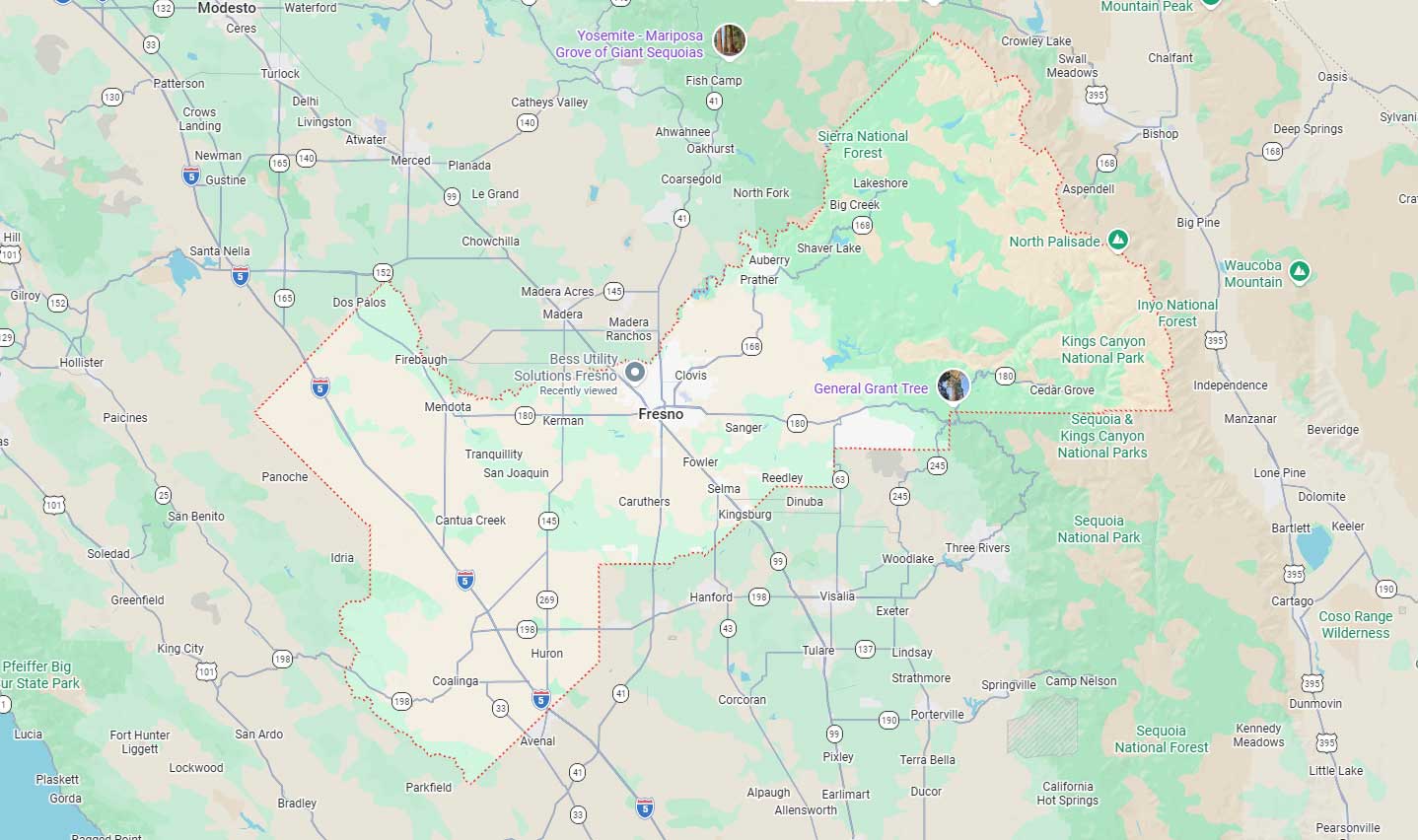
Fresno, CA
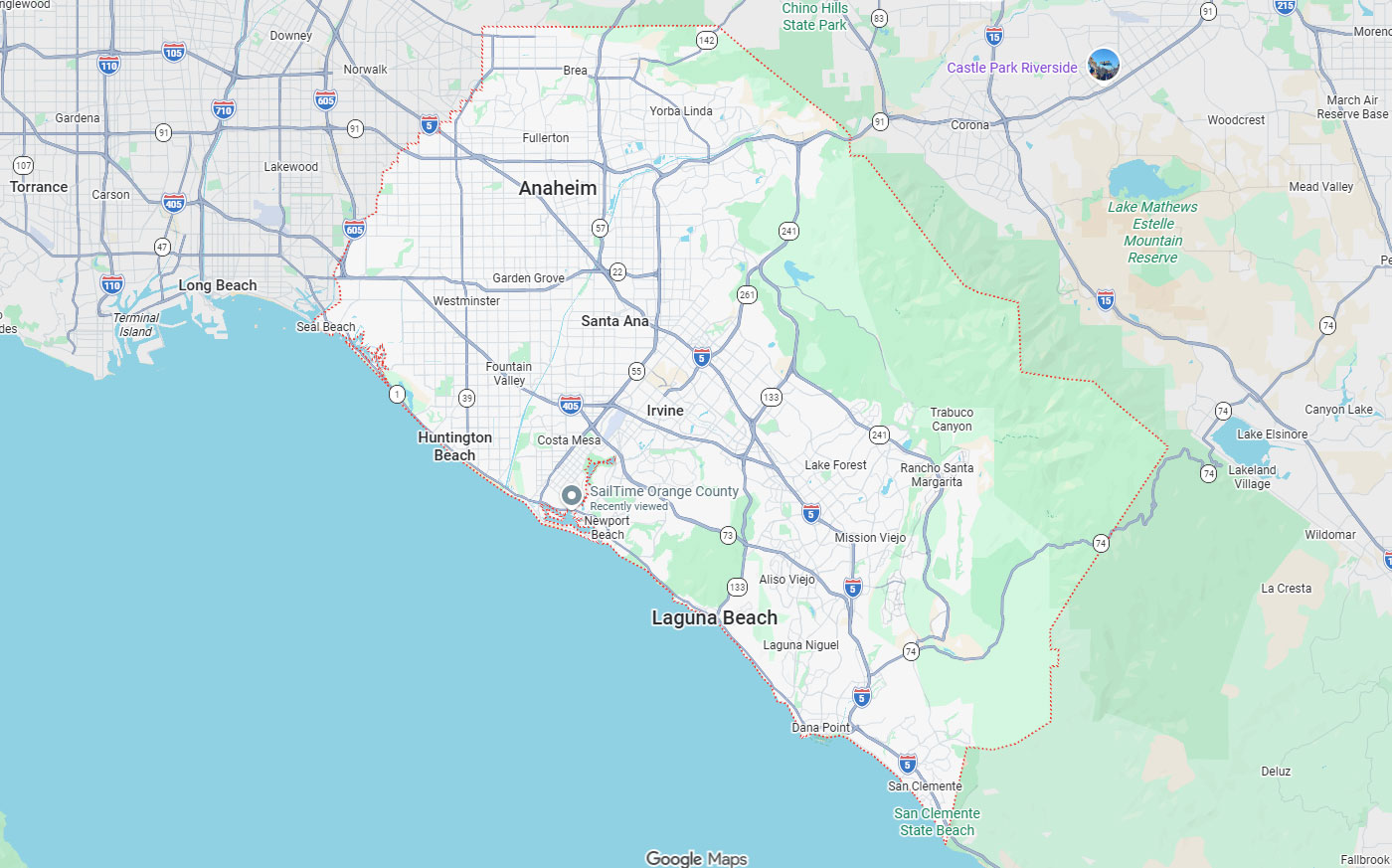
Orange, CA
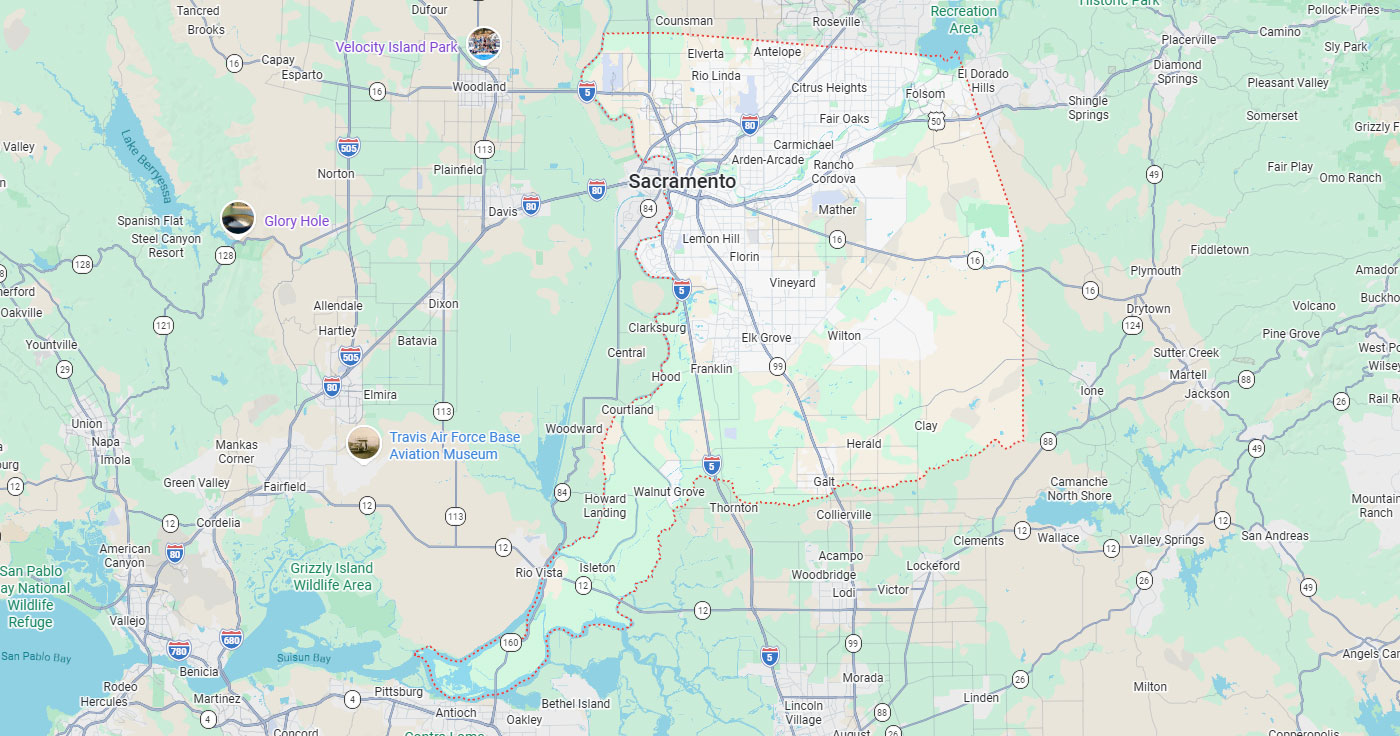
Sacramento, CA
Phoenix, AZ
Key Takeaways
Locating buried electrical lines is a crucial task for construction, maintenance, and safety purposes. Traditionally, this process involved guesswork or relying on outdated maps. However, with advancements in technology, Ground Penetrating Radar (GPR) has emerged as a reliable and efficient tool for detecting underground utilities, including electrical lines.
In this article, we will explore how GPR works, its advantages in locating non-metallic and older electrical lines, and how private utility locating services leverage it to improve accuracy. We'll also compare its use in urban and rural settings, highlighting key points for professionals involved in private underground utility locating services.
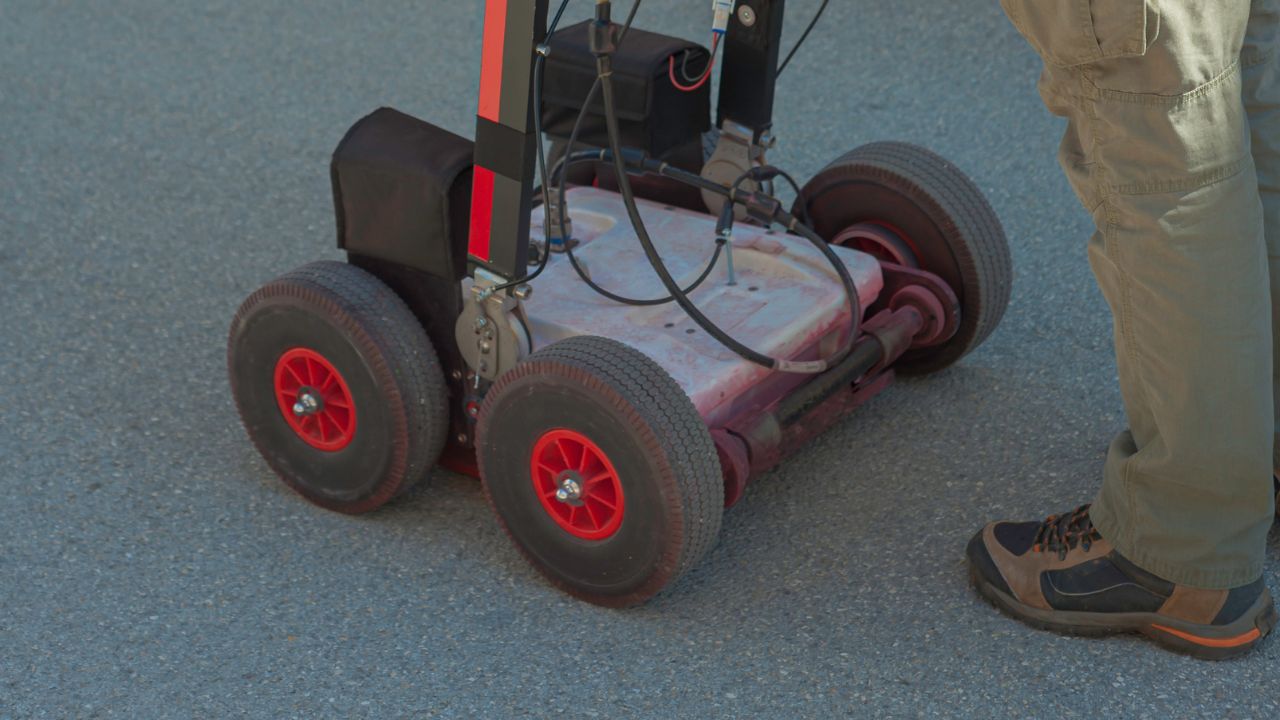
Ground Penetrating Radar (GPR) is a non-invasive geophysical method that uses radar pulses to image the subsurface. It sends electromagnetic waves into the ground, which then bounce back when they encounter different materials. These returning waves provide a detailed image of the subsurface structure, which can help locate buried electrical lines and other utilities.
GPR works by emitting high-frequency radio waves from a handheld or vehicle-mounted antenna. As these waves penetrate the ground, they reflect off different materials based on their density and electrical properties. For instance, metals reflect waves more strongly than non-metallic materials, which is why GPR is commonly used to detect metallic objects like electrical lines, pipes, and rebar.
The reflected signals are then captured by the GPR system, which processes them to create a visual representation of the underground materials. By analyzing the time it takes for the waves to return and their intensity, GPR can differentiate between various materials, allowing operators to accurately locate and map buried utilities.
One of the biggest challenges in utility locating services is identifying buried electrical lines, especially when they are made of non-metallic materials or are old and poorly documented. GPR offers several advantages that make it an ideal choice for this task.
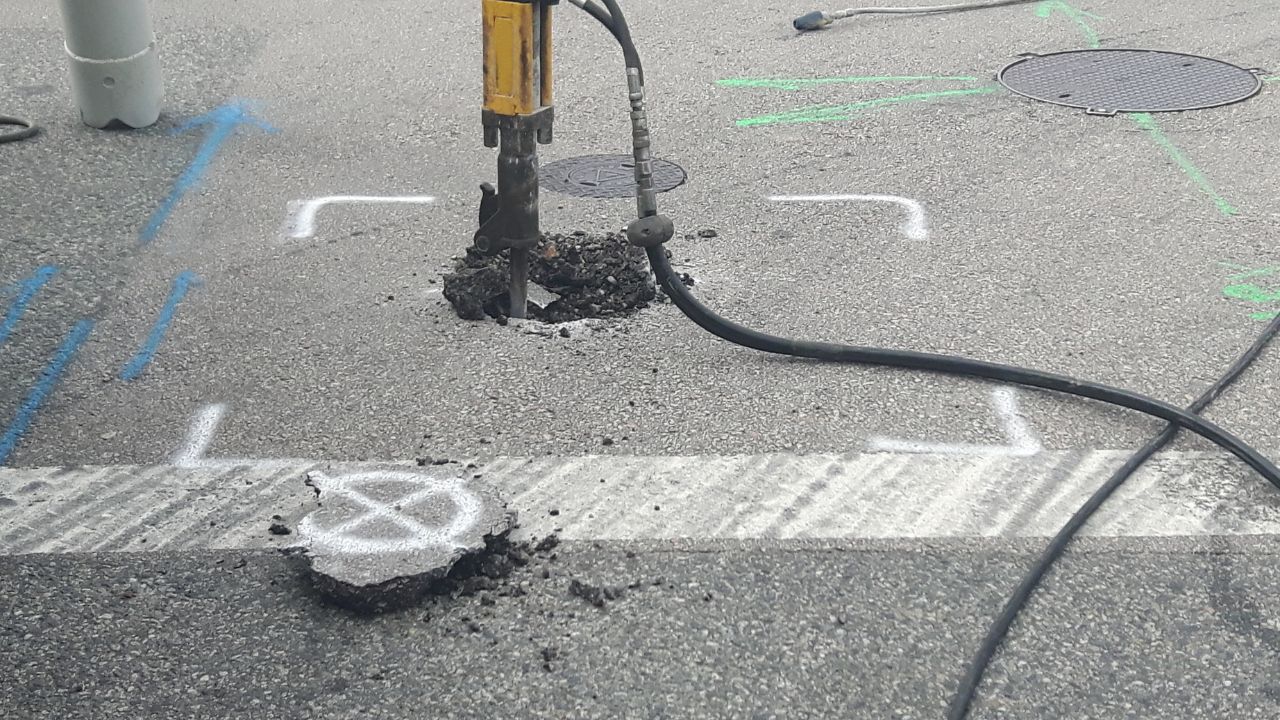
GPR does not require excavation, which means it can be used without disrupting the ground or risking damage to existing utilities. This makes it a safe and cost-effective method for locating buried electrical lines.
While traditional methods rely on metal detectors, GPR can locate non-metallic utilities such as plastic and PVC pipes. This is particularly useful in modern construction, where non-metallic materials are commonly used for underground electrical lines.
Older electrical lines often lack proper documentation or are marked incorrectly. GPR is effective at detecting these lines because it can differentiate between various subsurface materials and map out anomalies, even in the absence of clear markings.
Unlike traditional excavation methods, GPR allows for minimal ground disturbance. It can be used in sensitive areas like city parks or historical sites where digging could cause environmental or cultural damage.
Private utility locating services have become a crucial part of the construction and maintenance industries. GPR offers many benefits to these services, especially when it comes to locating difficult-to-find utilities such as buried electrical lines.
GPR provides a high level of accuracy when it comes to locating buried electrical lines. The system can provide precise depth measurements, which is essential for avoiding accidental damage during excavation.
By utilizing GPR, private utility locating services can save time and money. The technology allows for quick surveys of large areas, reducing the need for manual labor and costly excavation.
GPR not only helps in locating electrical lines but also provides valuable data regarding the surrounding subsurface conditions. This helps private underground utility locating services make informed decisions when planning construction or maintenance work.
While GPR is useful in both urban and rural settings, its application and challenges can differ. Let’s explore how GPR is applied in these two environments.
In urban areas, the complexity of underground infrastructure poses significant challenges. Cities have dense networks of utilities such as water pipes, electrical lines, gas pipelines, and more. GPR is particularly useful in these settings due to the following reasons:
While GPR is effective in rural areas, the challenges here are different. Rural areas tend to have less dense underground infrastructure, but there are still important utilities that need to be located for construction and farming purposes. Some key advantages of using GPR in rural settings include:
Locating underground utilities, including buried electrical lines, is crucial for any construction or excavation project. Using underground utility locating services ensures safety, accuracy, and efficiency. Here's why opting for professional locating services is a smart decision:
Ground Penetrating Radar (GPR) offers unmatched precision and efficiency in locating buried electrical lines. Whether you are working in a bustling city or a rural area, GPR can help you avoid costly mistakes and streamline your construction or excavation projects.If you're looking for reliable private utility locating services, consider reaching out to Bess Utility Solutions. Their team of experts utilizes advanced GPR technology to ensure that your project proceeds smoothly, with minimal disruption and maximum safety. Contact Bess Utility Solutions today and take the first step toward safer, more efficient utility locating.