Hayward, CA
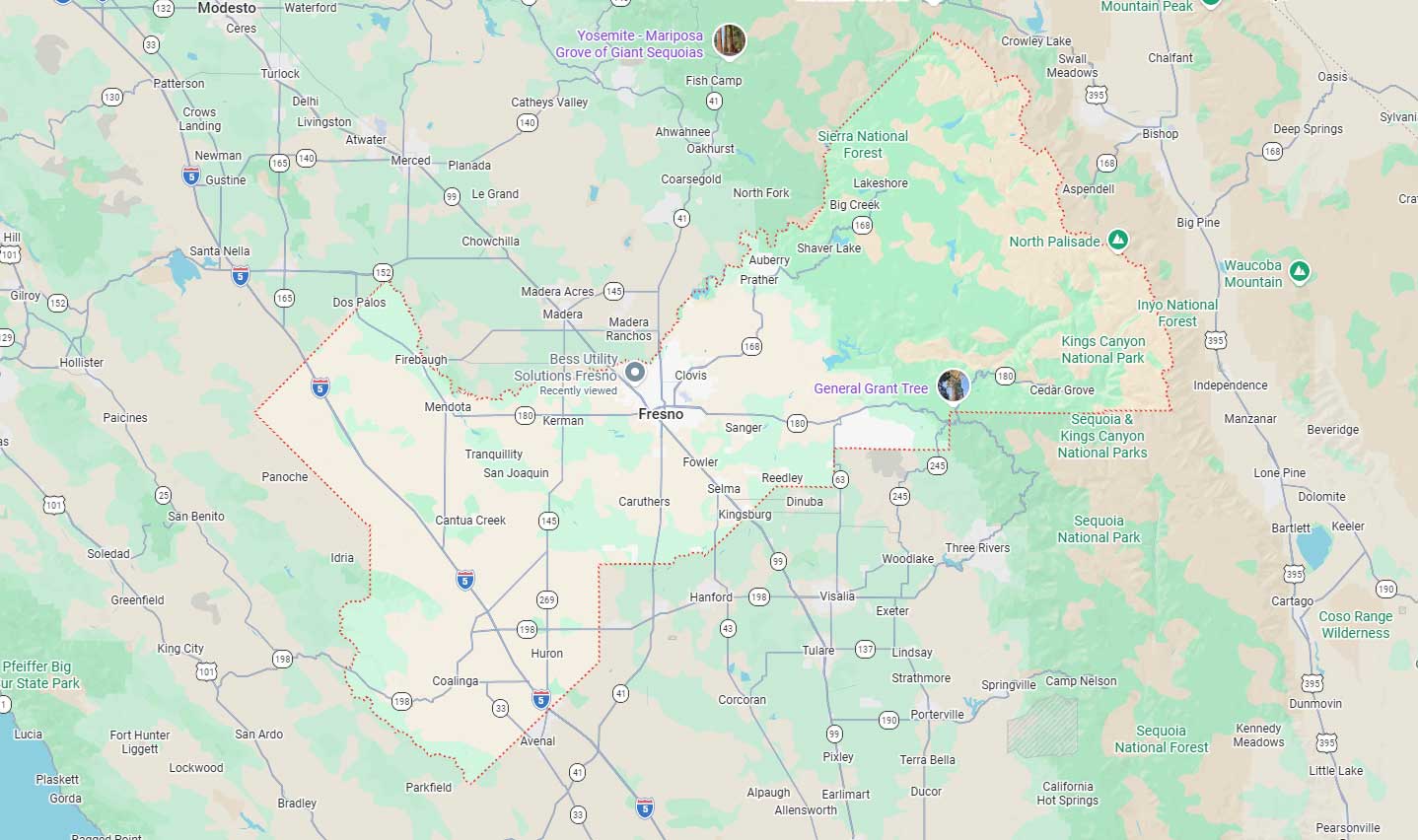
Fresno, CA
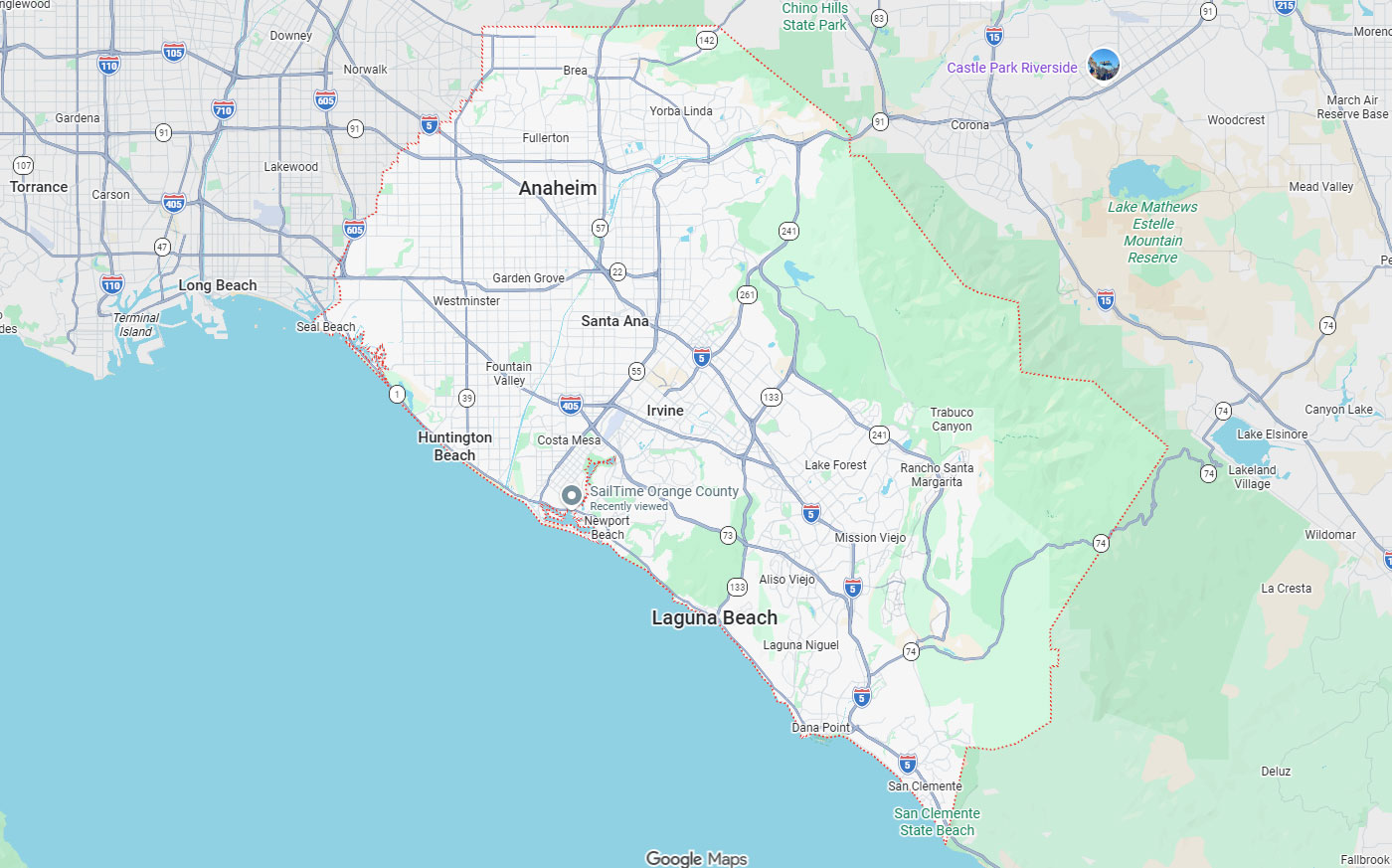
Orange, CA
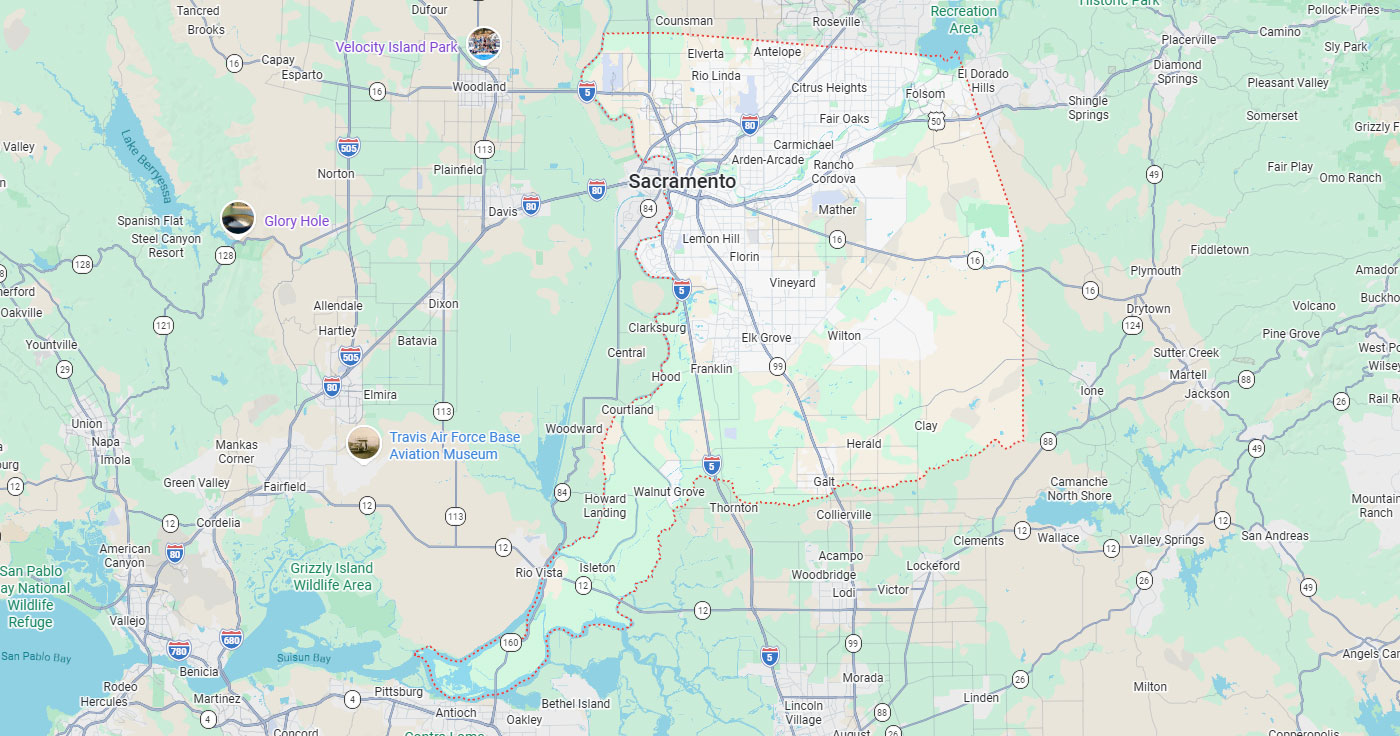
Sacramento, CA
Phoenix, AZ
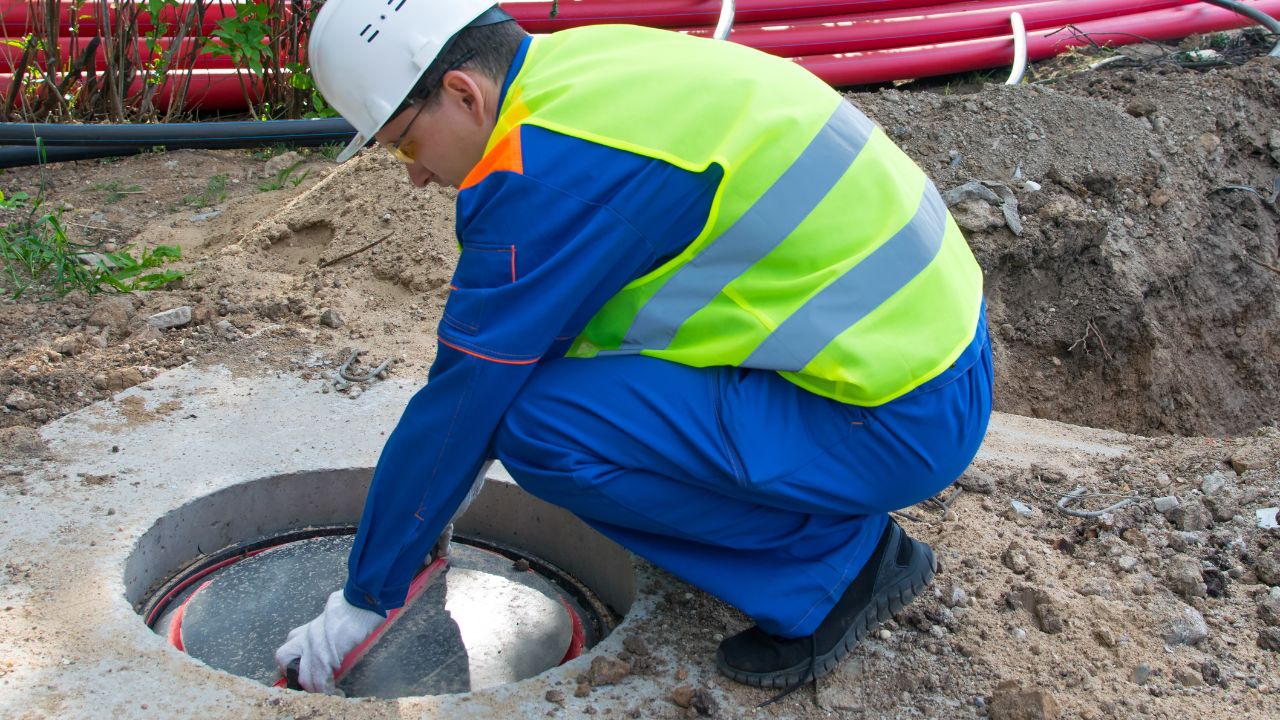
Underground utility locating identifies and marks buried infrastructure before excavation begins, preventing costly strikes and project delays. The Hayward utility locating market relies on both public 811 marks and private detection technology to deliver complete subsurface coverage.
This guide covers what to expect from the service process from your first call through the final deliverable. You will learn about each step, the technology used on site, pricing structures, and the documentation you receive.
Key Takeaways
You need utility locating before any excavation to comply with California law and protect your project. Skipping this step exposes you to regulatory fines, utility damage costs, and significant project delays.
The stakes are high: utility strikes cost the U.S. economy $62 billion annually. Proper locating combines public 811 marks with private detection to cover the full site.
Underground utility locating identifies and marks buried water, sewer, gas, electric, telecom, and fiber lines. This process prevents excavation crews from striking infrastructure hidden beneath the surface.
It combines public 811 marks with private detection technology for full-site coverage. The result is a complete map of what lies beneath your dig zone.
The U.S. experiences 400,000 to 800,000 utility strikes each year, resulting in $62 billion in economic losses. Between 2000 and 2020, these strikes caused 1,906 injuries and 400 fatalities.
Project delays from utility strikes average 8 to 12 weeks per incident. A $1 million direct repair actually costs $29 million when factoring in indirect costs.
Public lines covered by 811 include municipal water, sewer, gas, electric, and telecom infrastructure. Your responsibility is to locate the 60% of infrastructure that is privately owned.
Private lines include on-site water laterals, sewer services, irrigation systems, electrical conduits, and fiber optic networks. Understanding the distinction between 811 and private locating is critical to comprehensive coverage.
The underground detection process follows five sequential steps from notification through final documentation. Each step builds on the previous one to deliver verified, project-ready subsurface data.
Understanding the service timeline helps you plan excavation schedules and budget appropriately. The entire process typically takes three to seven business days, depending on site complexity.
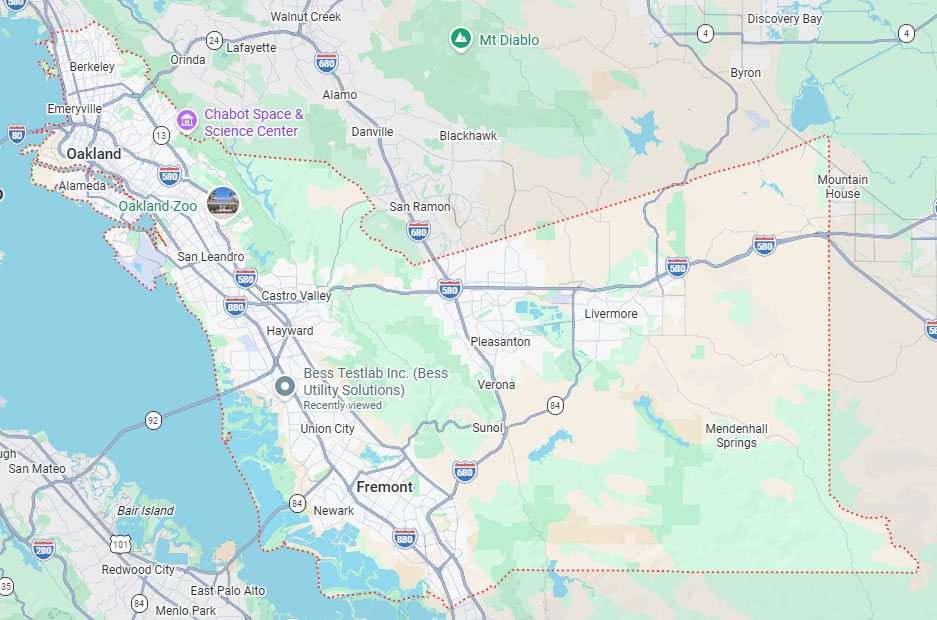
811 in the Hayward and Bay Area region is managed by USA North. USA North handles 58.2% of California's 811 ticket volume, while DigAlert manages Southern California.
California 811 Law requires contractors to contact 811 at least two working days before excavation. These marks cover only public utilities, which is why Step 2 exists.
811 marks only public utilities, while private locating covers the 60% that is privately owned. This includes on-site laterals, irrigation, private electrical conduits, and communication lines.
Subsurface Utility Engineering (SUE) combines multiple detection technologies to meet industry standards. This multi-method approach compensates for the limitations of any single detection technology.
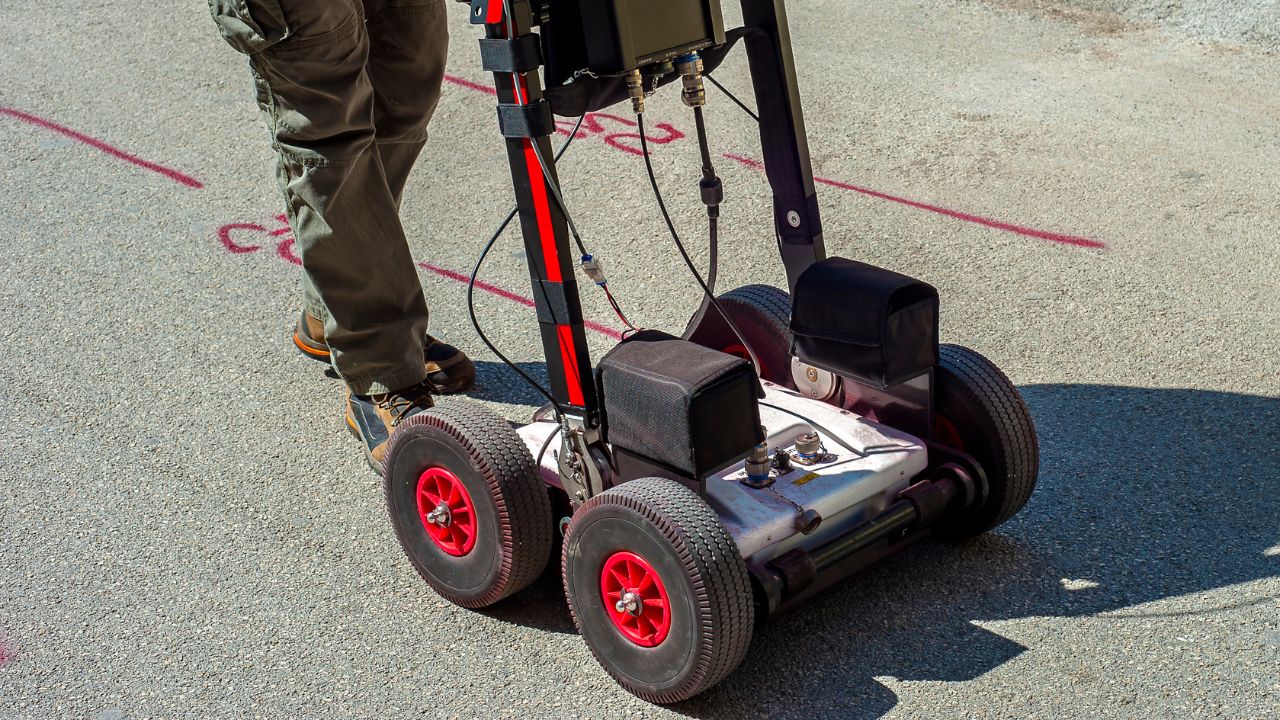
When the crew arrives, you will see surface scanning, signal tracing, and field marking. Technicians move methodically across your site using handheld receivers and wheeled GPR units.
They use electromagnetic locating and GPR to find lines buried at various depths. See the Technology section below for how each method works.
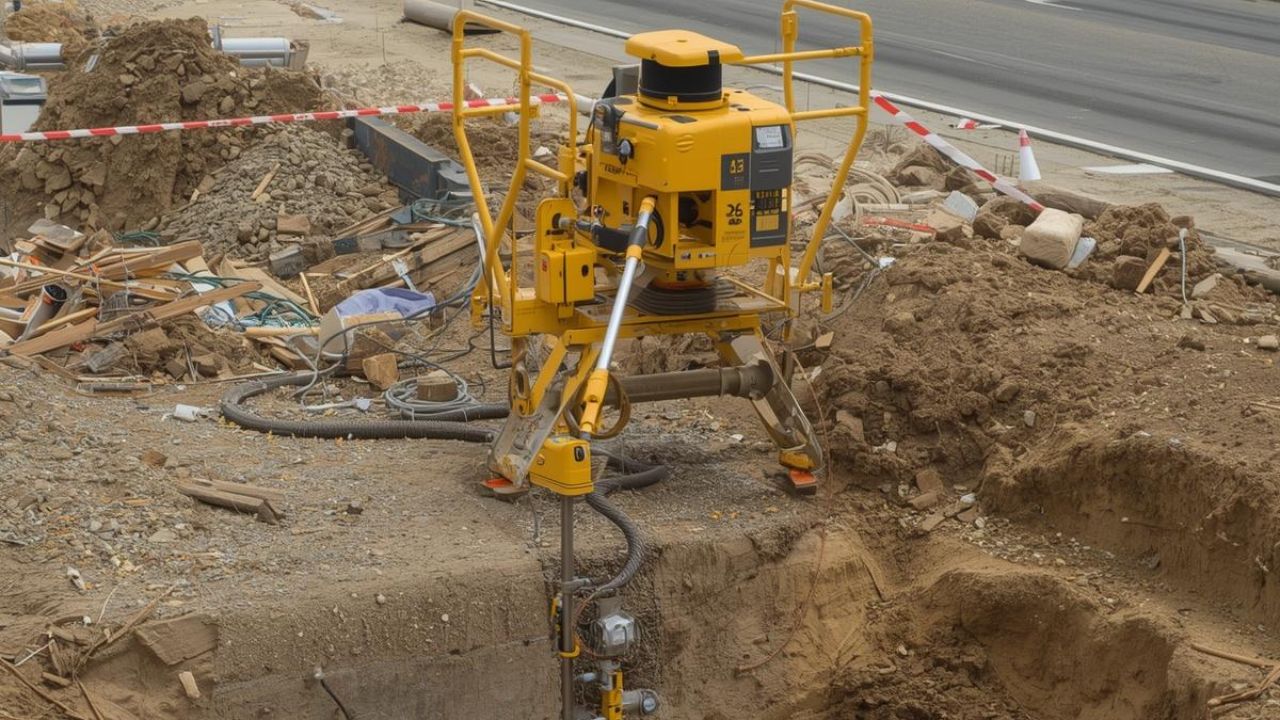
The crew exposes key points to confirm the exact type, depth, and condition of a utility. Potholing provides physical verification after surface geophysics identifies potential utility locations.
Vacuum excavation uses high-pressure water or air to break up soil, then vacuums it away. This method carries zero risk of utility damage during exposure.
Deliverables are graded by Quality Level, ranging from QL-D through QL-A. Quality Level A (QL-A) represents physical verification of utility location through excavation.
Work follows ASCE 38-22, the American Society of Civil Engineers standard for investigating existing utilities. Industry demand requires location tolerances better than 100mm horizontally.
Your site will see one or more detection technologies depending on soil conditions and utility types. Each method has specific strengths and limitations that determine when it is deployed.
The customer experience varies based on which technologies your project requires. Understanding these differences helps set realistic expectations for timing and deliverables.
Service pricing in Hayward reflects the technology deployed and the Quality Level you require. Understanding these costs helps you budget accurately and justify the investment.
The return on investment is substantial when measured against the cost of a utility strike. Every dollar spent on proper locating delivers measurable savings in avoided damage and delays.
EM locating service pricing ranges from $100 to $400 per job for basic residential applications. GPR service pricing starts at $400 and can exceed $800 per job, depending on site size.
Premium SUE services, including potholing, cost $3,360 or more per day for comprehensive verification. These rates reflect the specialized equipment and trained technicians required for accurate detection.
Direct repair costs for utility strikes range from $4,000 to $56,000, depending on the infrastructure damaged. Research reveals a 29:1 ratio of indirect to direct costs for utility strikes.
A $1 million repair actually costs $29 million when factoring in project delays, idle equipment, and reputational damage. Regulatory fines and insurance premium increases follow a strike, along with legal fees and liability exposure.
SUE delivers average savings of 4.6% of total construction costs through better utility information. For every $1.00 spent on SUE, projects realize a return of $4.62 in avoided relocations and design conflicts.
This return comes from eliminating utility relocations, preventing damage events, and avoiding design changes. The investment in comprehensive locating pays for itself many times over during the project lifecycle.
Regulatory compliance is not optional for excavation projects in California. Understanding these requirements helps you avoid penalties and ensure worker safety.
Meeting these standards protects both your crew and your project timeline. Non-compliance results in fines, work stoppages, and increased liability exposure.
Contractors must contact 811 at least two working days before excavation under California law. Failure to use the 811 notification system contributed to 38% of utility strikes in California in 2023.
This two-day minimum allows utility owners time to mark their infrastructure before you dig. Remember that 811 covers only public utilities, leaving private infrastructure unmarked.
ASCE 38-22 sets the standard for how utilities are investigated and documented across the industry. Municipal projects increasingly require compliance with these quality levels as a contract requirement.
Compliance is what makes your deliverables defensible and your Quality Levels meaningful during inspections. Following this standard protects you from liability and ensures your documentation meets engineering requirements.
Understanding which project types require locating helps you recognize when to schedule services. Most excavation scenarios benefit from professional detection regardless of project size.
The Hayward market sees diverse applications from residential fencing to major municipal upgrades. Each project type carries different risk profiles and documentation requirements.
Commercial projects represent 35% of demand, driven by large-scale development and strict compliance requirements. Residential projects account for 25% of demand, primarily for fencing, pools, landscaping, and home additions.
Municipal projects represent 20% of demand, while industrial projects account for another 20%. Each segment requires different Quality Levels based on project complexity and regulatory oversight.
Bay Area redevelopment projects require comprehensive SUE due to dense, aging infrastructure beneath older properties. Municipal sewer and storm line upgrades demand physical verification to avoid damage during replacement work.
Residential additions often encounter unmarked laterals that 811 does not cover. These scenarios require private locating to prevent costly service interruptions during construction.
Even experienced locators face challenges on complex sites with multiple utilities and difficult soil conditions. Professional crews use multi-method approaches to overcome these limitations.
Understanding these challenges helps you set realistic expectations for difficult sites. The right combination of technologies and verification methods drives risk toward zero.
PVC, plastic, and fiber require GPR or a tracer wire installation during construction. EM alone cannot detect these materials because they do not conduct electrical signals.
Modern infrastructure increasingly uses non-metallic materials, making GPR essential for complete coverage. Sites with fiber optic networks demand GPR scanning before any excavation.
Clay-rich or saline soils reduce GPR performance by absorbing radar signals before they penetrate deeply. Signal interference can affect EM locating in areas with multiple energized lines close together.
A multi-method SUE approach compensates for any single method's blind spots. Combining EM, GPR, and potholing ensures complete detection regardless of soil conditions.
Failure to use the 811 notification system contributed to 38% of utility strikes in California in 2023. This statistic demonstrates that proper notification is the first line of defense.
Reputational damage follows a strike, on top of repair and legal costs that can exceed millions. Combining 811, private locating, and potholing is how professionals drive risk toward zero.
Bess Utility Solutions brings 29 years of subsurface utility engineering experience to every Hayward project. As a CPUC-certified MBE/DBE firm, we deliver ASCE 38-02 and 38-22 compliant deliverables with clearly defined Quality Levels. Our 1,000+ satisfied clients rely on us for comprehensive service that includes 811 coordination, private locating, GPR, and vacuum excavation. Local Bay Area coverage ensures fast, reliable response when your project timeline demands it.
Working with an experienced provider eliminates the guesswork and liability that comes from incomplete subsurface information. From residential additions to municipal infrastructure upgrades, our team delivers the documentation and verification you need to excavate safely. Contact us to request a quote for your project.