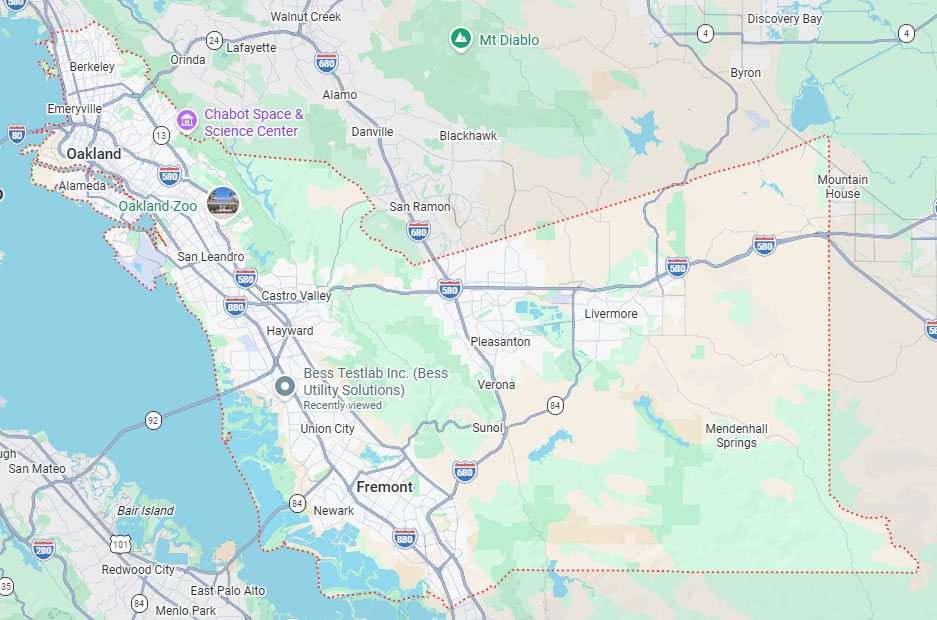
Hayward, CA
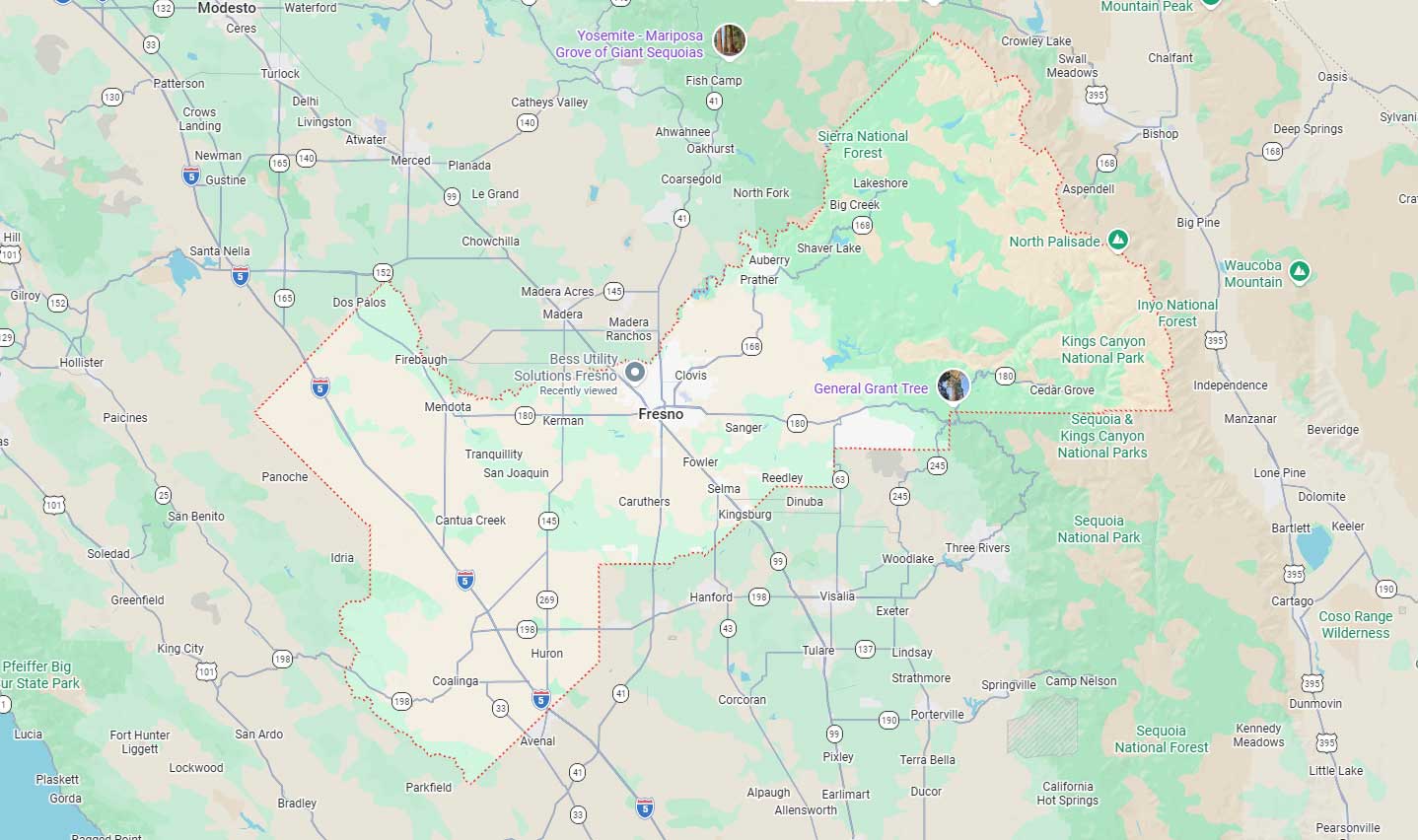
Fresno, CA
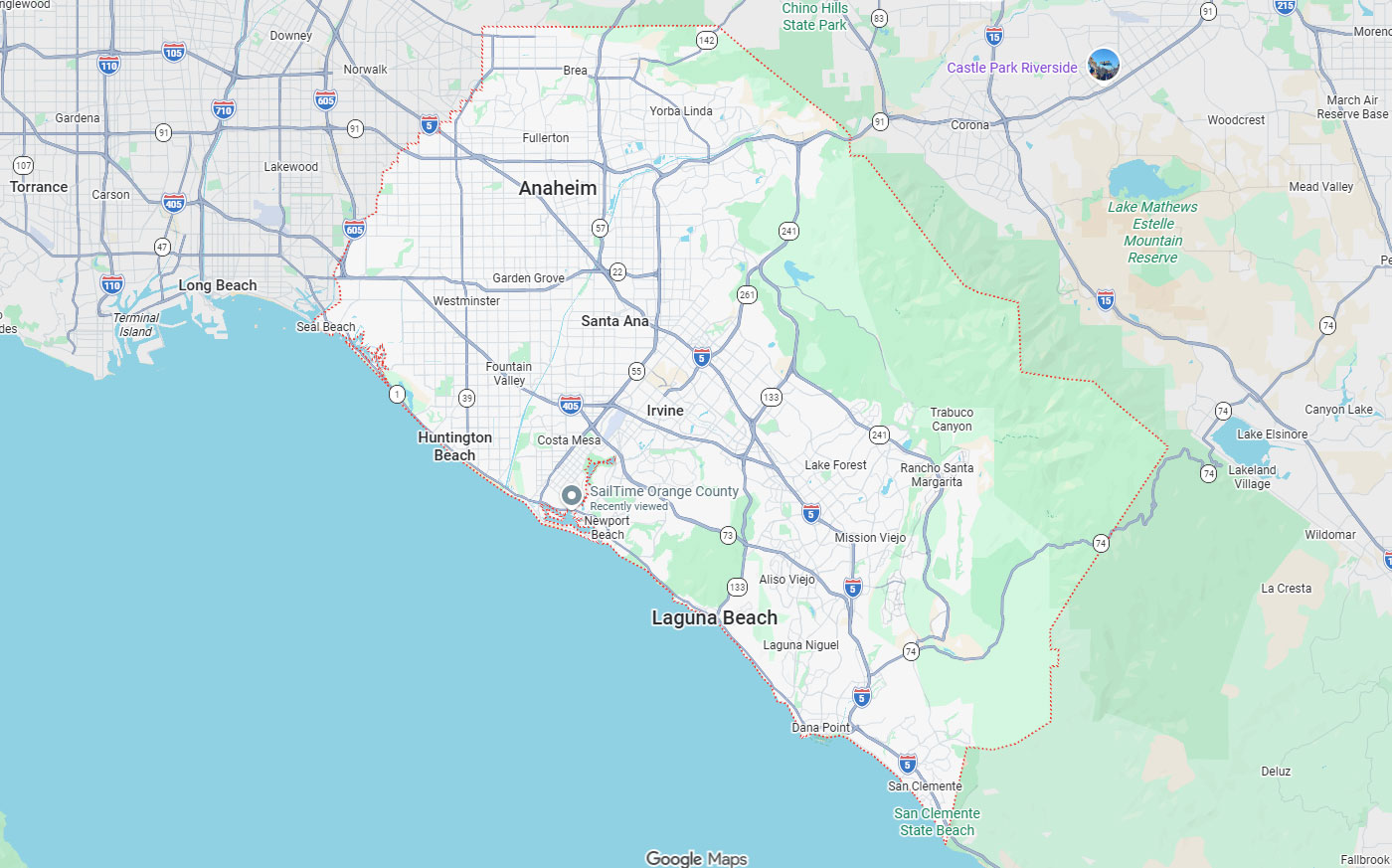
Orange, CA
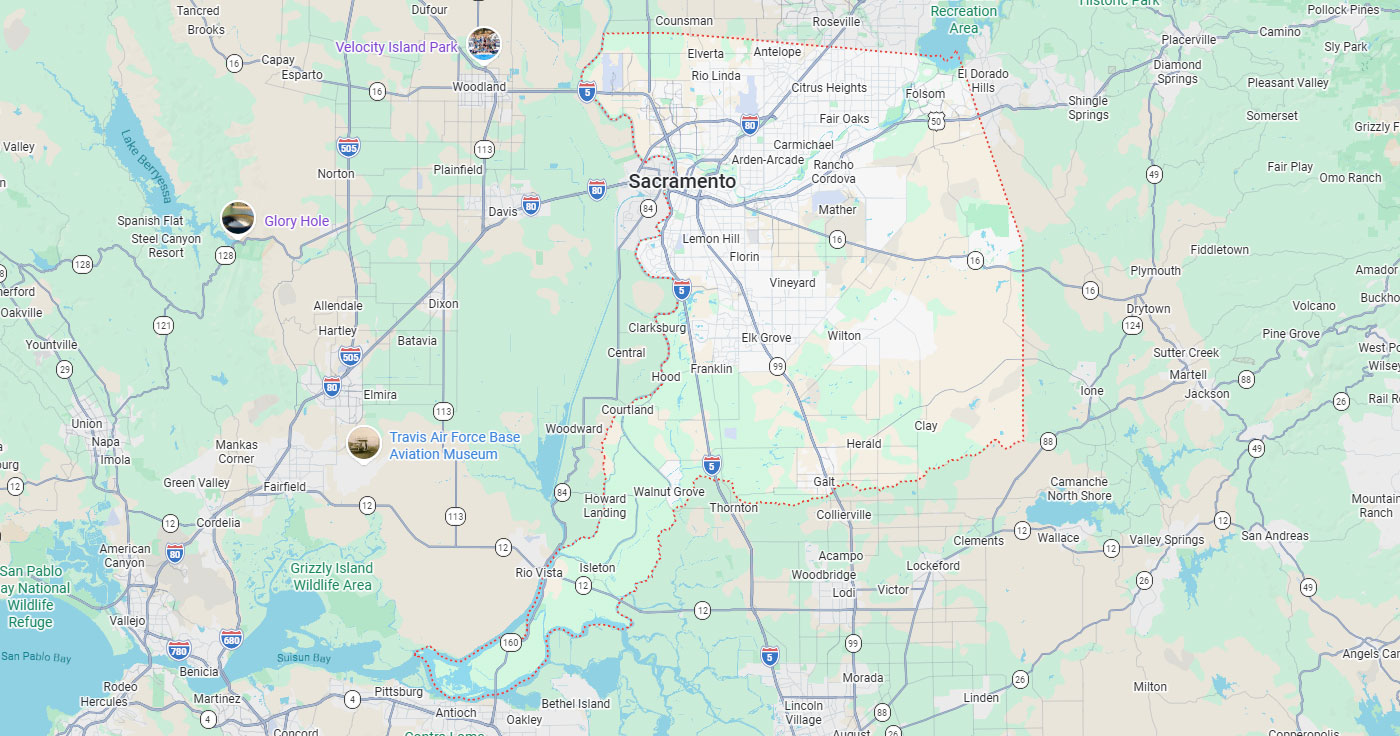
Sacramento, CA
Phoenix, AZ
Key Takeaways:
Spring construction deadlines compress schedules when utility conflicts emerge. Projects that begin spring with incomplete subsurface intelligence face cascading delays, inflated change orders, and strike risks that devastate budgets. December presents a strategic window—contractor availability increases, permit processing accelerates, and thorough subsurface utility engineering transforms reactive problem-solving into proactive risk mitigation.
The evidence proves compelling: $4.62 saved for every dollar spent on SUE, up to 83% fewer change orders, and 78% risk reduction when subsurface investigation precedes design. December SUE provides a 2-month head start, enabling projects to mobilize immediately when spring construction windows open. This article examines how December SUE planning prevents spring delays through systematic utility investigation that protects schedules, budgets, and safety.
SUE provides structured frameworks for managing underground utility risks. ASCE 38-02 establishes quality standards that transform utility investigation from guesswork into engineered certainty.
SUE provides a framework for managing risks associated with underground utilities through ASCE 38-02 "Standard Guideline for the Collection and Depiction of Existing Subsurface Utility Data." The standard defines four quality levels representing increasing data accuracy and reliability. Traditional utility locating often relies on outdated or inaccurate existing records without systematic verification. SUE provides a structured approach that progresses from records research through physical verification, delivering engineered certainty rather than approximate guesses about subsurface conditions.
Incomplete or inaccurate utility data remains the leading cause of design conflicts that trigger costly change orders, project delays, and increased utility strike risk. Unknown utility conditions force contractors to include contingencies that inflate bid prices by 15-30%. Unforeseen utility problems discovered during construction cause cascading delays precisely when spring schedules offer no recovery time. Spring construction rush intensifies every conflict's impact—problems that summer schedules absorb become critical failures in compressed spring timelines.
Primary value of SUE is risk mitigation through identifying and accurately mapping underground utilities during the design phase. This prevents a cascade of construction problems from utility strikes, emergency repairs, and work stoppages. SUE provides designers with reliable data to route new infrastructure around existing utilities, avoiding conflicts before they arise. Confident excavation planning based on verified subsurface conditions eliminates dangerous assumptions that lead to strikes and enables systematic coordination between design and construction phases.
December transforms from idle period into strategic advantage. Winter planning windows, contractor availability, and budget timing converge to create optimal SUE conditions.
Completing SUE in December provides a 2-month head start advantage for spring construction. Projects become fully designed and permitted, ready for immediate mobilization when spring construction season begins. This avoids typical spring rush where surging demand for SUE services causes scheduling delays and price increases. Winter slowdown transforms into a productive preparation period. The strategic advantage compounds—while competitors scramble for spring SUE scheduling, December-prepared projects execute immediately when weather permits construction.
The construction industry experiences natural slowdown from late November through February when SUE providers have dramatically greater availability. This enables faster scheduling and more competitive pricing than spring's seller's market conditions. Contractor availability increases substantially during the construction slow season. Lower demand enables more responsive service delivery with experienced crews rather than overextended teams juggling multiple urgent projects. Quality improves when providers aren't managing capacity constraints.
Research proves SUE's financial value: $4.62 saved for every $1.00 spent (Purdue University Study, 71 projects, FHWA). Maximum documented ROI reached $206.00 returned per dollar invested on a single North Carolina DOT project. SUE costs less than 0.5% of total construction cost yet prevents expenses orders of magnitude larger. With comprehensive SUE data, contractors bid with confidence rather than inflated contingencies. This produces more competitive pricing. Projects achieve up to 83% fewer change orders with proactive SUE, with savings realized through avoiding utility strikes, design changes, and construction delays.
SUE systematically builds subsurface knowledge from records through physical verification. Each component serves specific purposes in the risk reduction hierarchy.
Records research forms SUE foundation as Quality Level D investigation. Information gathered from existing utility records establishes baseline subsurface infrastructure understanding, though these records prove often outdated or inaccurate. Early initiation proves critical—administrative delays occur from holiday schedules and weather-related office closures during December. Records research proceeds regardless of field conditions, making December ideal for this essential first step that guides all subsequent investigation phases.
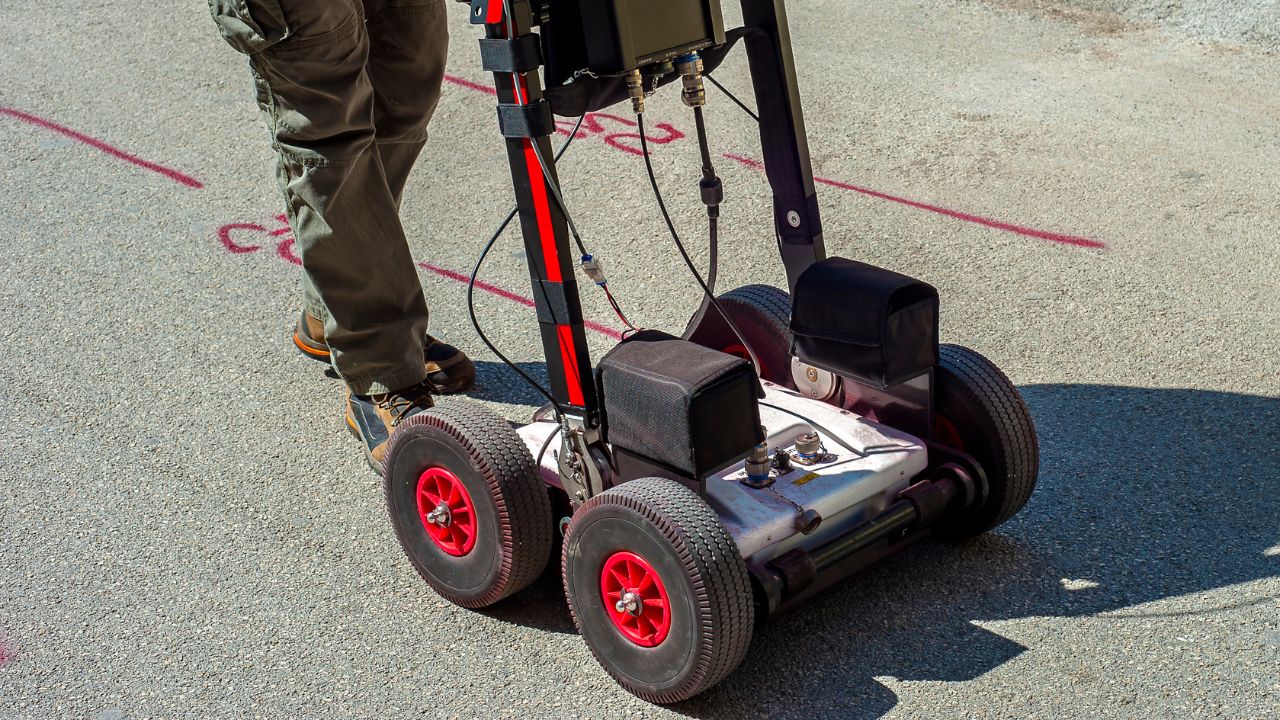
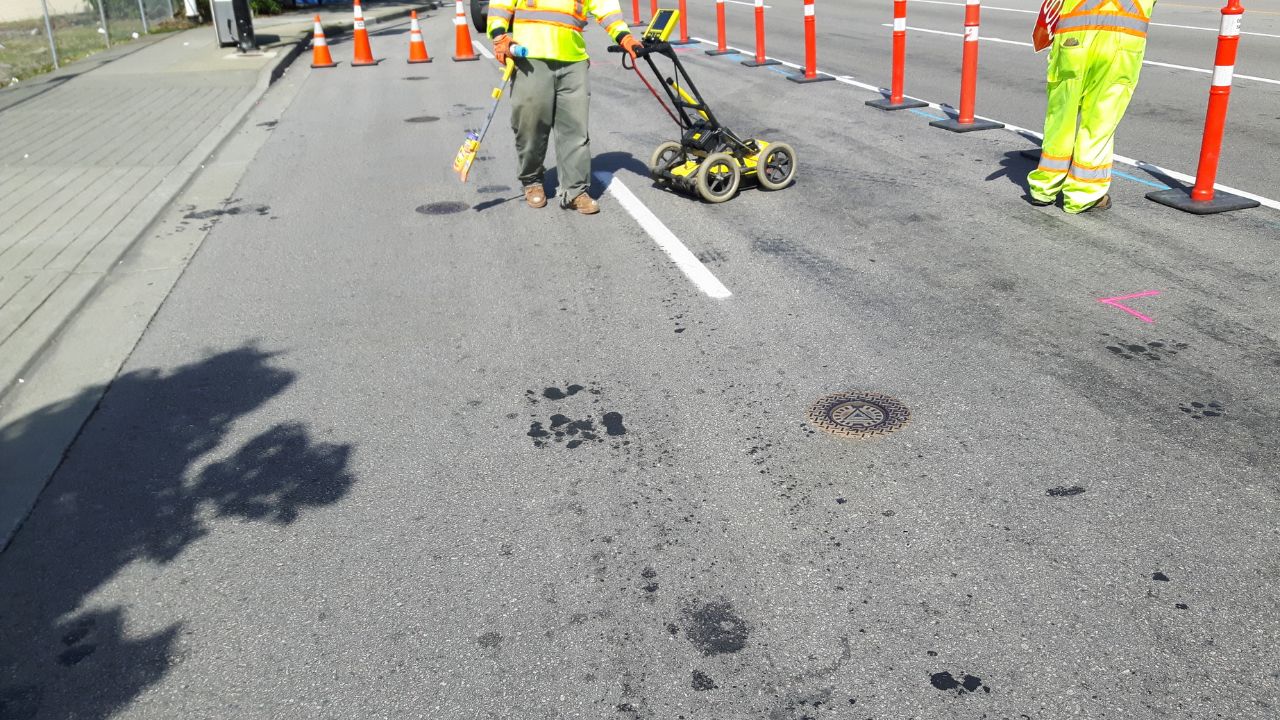
Underground locating and detection through surface geophysics uses Ground Penetrating Radar and electromagnetic methods to determine horizontal utility positions as Quality Level B investigation. This designating process maps utility corridors before excavation begins, providing ±1 foot horizontal accuracy. Geophysical methods enable identification of potential conflict zones critical for design routing decisions. While frozen ground and snow cover can impact GPR and EM effectiveness, experienced technicians adapt methods to maintain winter accuracy through proper equipment calibration and site preparation.
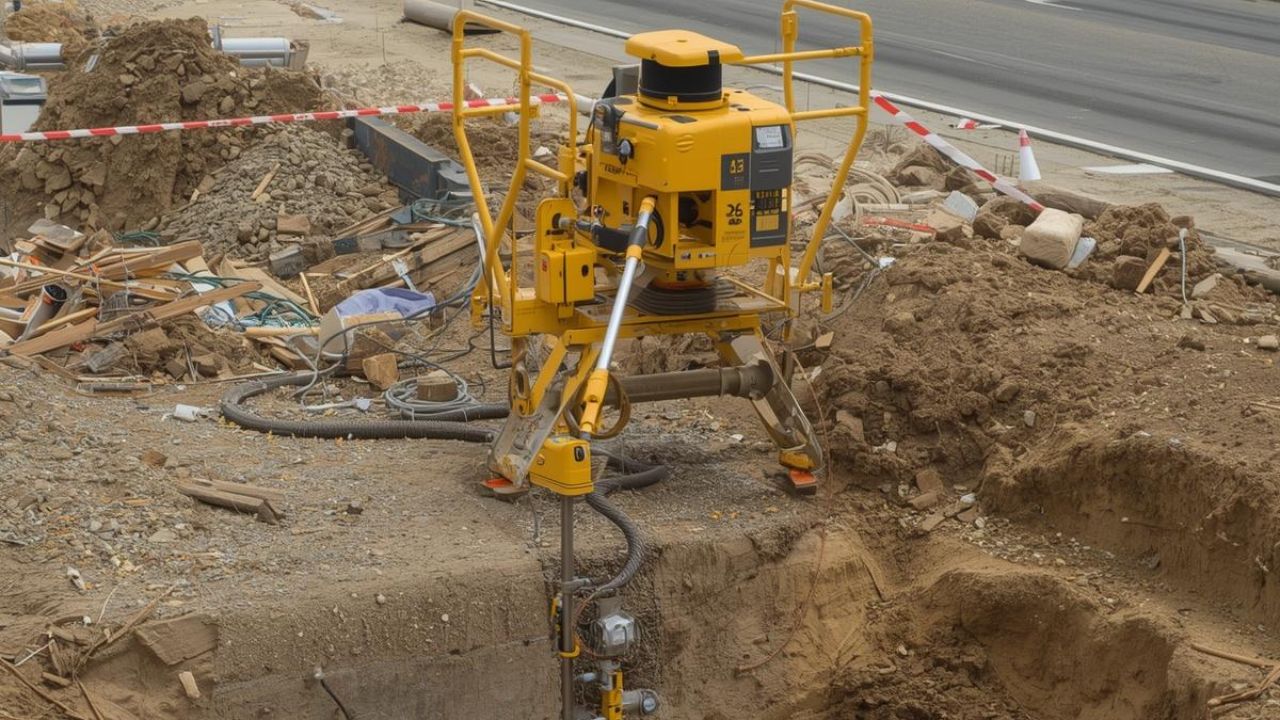
Precise horizontal and vertical positioning determined through non-destructive vacuum excavation represents Quality Level A—highest confidence designation. Test holes provide definitive verification with centimeter-level precision that eliminates uncertainty from geophysical estimates. Physical verification proves essential where design decisions depend on exact utility positioning or where strike consequences justify verification investment. Modern hydro-excavation equipment operates efficiently to -40°F using water pressure to 3,000 psi at 120-150°F temperatures, making winter test holes entirely feasible despite frozen ground conditions.
SUE quality levels define data confidence from conceptual through precise. Understanding applications guides appropriate investment in each investigation phase.
QL-D represents records research where information comes from existing utility owner records. These records prove often outdated or inaccurate but provide a necessary starting point for all subsequent investigations. Administrative delays become possible from holiday schedules and weather-related office closures, making early December initiation crucial. QL-D suits initial conceptual planning and preliminary assessments where approximate subsurface understanding guides early decisions. Complete records compilation during December enables higher quality levels to proceed efficiently in subsequent phases.
QL-C involves surveying utility features visible at ground surface—manholes, valve boxes, and other indicators. These features correlate with QL-D data to improve accuracy beyond records alone. Snow cover can obscure surface features but represents minor impediment manageable through site preparation. QL-C provides improved reliability that bridges the gap between uncertain records and geophysical investigation. Surface feature surveying proceeds quickly once snow clearing occurs, making December completion feasible for spring project support.
QL-B designating determines horizontal utility position using surface geophysical techniques like GPR and electromagnetic locating. This investigation provides ±1 foot horizontal accuracy—substantial improvement over records alone. Frozen ground and snow cover can impact effectiveness, but experienced technicians overcome these winter challenges through adapted methodologies. QL-B becomes required for final design when utility conflict avoidance depends on reasonably accurate positioning. December completion enables design to proceed with confidence during winter months when drawing production typically occurs.
QL-A locating provides a precise horizontal and vertical utility position through non-destructive vacuum excavation test holes. This investigation delivers centimeter-level precision—the highest accuracy available. QL-A becomes required when design decisions depend on exact positioning or where strike consequences justify verification investment. December test holes remain entirely feasible despite frozen conditions—hydro-excavation equipment handles temperatures to -40°F effectively. Completing critical QL-A investigations before spring eliminates uncertainty that would otherwise delay construction mobilization.
Winter conditions impact but don't prevent SUE execution. Understanding seasonal factors enables effective December investigation planning and realistic deliverable expectations.
Hydro-excavation equipment operates efficiently down to -40°F, using water pressure to 3,000 psi at 120-150°F to overcome frozen conditions. This makes QL-A test hole investigations entirely feasible in winter despite frozen ground. Modern SUE equipment and techniques prove well-suited for cold-weather operations. Frozen ground generally doesn't pose major obstacles for experienced technicians who understand equipment capabilities and proper winter methodologies. Physical verification through heated hydro-excavation actually works more reliably than many assume when proper equipment deploys correctly.
Significant snow cover can reduce GPR effectiveness by obscuring ground surface and introducing signal interference. However, light snow or frozen ground generally don't pose major obstacles to experienced operators. Snow cover obscures surface features during QL-C surveying but site preparation manages this impediment effectively. Experienced technicians adjust methods to ensure accurate data collection despite winter surface conditions. Understanding limitations enables realistic scope development that accounts for seasonal constraints without abandoning December SUE initiatives.
QL-D records research proceeds regardless of weather, making December ideal for comprehensive records compilation. QL-C may require snow clearing from visible features but remains feasible with site preparation. QL-B requires experienced technicians who adapt to frozen conditions through proper calibration and methodologies. QL-A proves fully feasible with heated hydro-excavation equipment rated for extreme cold. Strategic sequencing optimizes winter SUE execution—records research and planning proceed immediately while field operations schedule for favorable weather windows within the December timeline.
December SUE transforms spring design from tentative routing around unknown utilities into confident infrastructure placement based on verified subsurface conditions.
Early SUE provides designers with reliable data needed to route new infrastructure around existing utilities during initial design phases. This avoids conflicts before they arise, preventing costly mid-design revisions when utility conflicts surface. Design iteration cycles compress when subsurface intelligence exists from project inception. Confident design decisions based on verified conditions eliminate the tentative approaches that lead to multiple revision cycles. Surveying and mapping integration enables immediate design overlay verification during development rather than discovering conflicts after design completion.
Design conflicts discovered late trigger project delays that cascade through the entire construction schedule. Early conflict resolution prevents compression of the construction timeline that occurs when spring mobilization depends on last-minute utility coordination. Utility conflicts discovered during construction cause immediate work stoppages precisely when spring schedules offer no recovery time. December SUE achieves 78% average risk score reduction by identifying and resolving conflicts during design phase. Early resolution maintains schedule integrity for spring construction when weather windows open.
Comprehensive SUE data eliminates uncertainty between design and construction phases that causes disputes and delays. Contractors bid with confidence when utility conditions are known rather than estimated through worst-case contingencies. This reduces contingency pricing that inflates bids by 15-30% on projects with subsurface uncertainty. Improved communication through shared accurate subsurface intelligence enables constructive coordination rather than adversarial risk allocation. Design-build and collaborative delivery methods particularly benefit from SUE's ability to establish a common operating picture from project inception.
Effective scopes target highest-risk utilities while defining accuracy standards and deliverables that support downstream needs from design through construction.
High-risk utility areas demand priority attention—locations where conflicts would cause maximum schedule impact or safety consequences. Critical utility corridors where design conflicts prove most likely require comprehensive investigation. Areas with known outdated records require verification rather than design assumptions. Congested utility zones need detailed mapping to enable safe construction sequencing. Utilities posing highest strike risk—high-pressure gas, high-voltage electric, critical fiber optics—should receive QL-A verification regardless of cost given catastrophic strike consequences.
QL-B provides ±1 foot horizontal accuracy sufficient for most design routing decisions. QL-A provides centimeter-level precision for critical locations where exact positioning determines design feasibility. Accuracy standards should match project risk profile—higher standards justified for complex utility environments with minimal clearances. Confidence levels should align with design and construction requirements, with quality level selection balancing investigation cost against consequence of uncertainty. Clear accuracy specifications prevent disputes about deliverable adequacy and enable designers to understand data limitations.
Accurate utility maps require quality level designation for each utility showing confidence in positioning. CAD-compatible formats enable design integration and conflict checking during development. GIS-compatible formats support long-term asset management beyond immediate project needs. Detailed reports documenting findings, methodology, and confidence levels provide essential context. Documentation suitable for permit applications with quality certifications accelerates approval. Bidding documents with comprehensive utility information eliminate contractor contingency pricing that inflates costs.
Integration determines whether SUE investment delivers value or creates unusable deliverables that sit unused while projects proceed on assumptions anyway.
SUE data must be georeferenced for accurate positioning that enables design overlay without manual alignment. CAD integration enables immediate conflict checking as design develops rather than discovering problems after completion. GIS integration supports long-term asset management extending value beyond immediate projects. Digital formats enable data sharing across all project stakeholders from owners through contractors. Proper integration prevents transcription errors that occur when manually transferring data between systems creates opportunities for mistakes.
Utility type, size, material, and depth prove critical for design decisions about clearances and protection requirements. Horizontal and vertical positioning with explicit accuracy designation enables appropriate design confidence levels. Owner information supports coordination requirements when relocations or shutdowns become necessary. Condition assessment where visible through test holes informs renovation versus replacement decisions. Quality level designation indicates confidence in each data point, preventing uniform treatment of variable-quality information.
December SUE provides a baseline that may require spring verification if significant time elapses before construction. Changes in site conditions between winter and spring may necessitate revalidation in critical areas. New utility installations occurring between December and spring must be documented through supplemental investigation. Update protocols established during December planning prevent confusion about data currency when construction begins. Version control proves essential for managing evolving utility data as the project develops through design and construction phases.
Systematic execution transforms December planning advantage into actionable spring intelligence. Four key steps progress from records through deliverables.
Initiate QL-D records research early to accommodate holiday schedules that cause administrative delays. Weather-related office closures during December can extend response times from utility owners. Gather information from all utility owners and existing project records to establish a comprehensive baseline. Identify areas with outdated records requiring field verification rather than design assumptions. Prioritize high-risk corridors for detailed investigation where conflicts would cause maximum project impact.
Light snow or frozen ground generally don't pose major obstacles for GPR when experienced technicians deploy adapted methodologies. Site preparation may include snow clearing from survey areas to enable proper equipment operation. QL-B designating provides ±1 foot horizontal accuracy sufficient for most design routing decisions. Modern detection equipment adapted for cold-weather operations maintains accuracy despite winter conditions. Schedule geophysical surveys during favorable weather windows within the December timeline rather than forcing operations during severe conditions.
Critical utility locations require QL-A verification regardless of cost given strike consequences. High-risk conflict zones justify test hole investment when design decisions depend on precise positioning. Areas where geophysical results show ambiguity or uncertainty need physical confirmation. Centimeter-level precision available through vacuum excavation becomes necessary where design clearances are minimal. Hydro-excavation remains feasible in frozen ground down to -40°F, making December test holes practical despite winter temperatures.
Digital deliverables in CAD and GIS formats enable immediate design integration without manual data transfer. Clear quality level designation for all utility data prevents misunderstanding about positioning confidence. Comprehensive reports document methodology and findings with context supporting appropriate data application. Formats suitable for both design integration and permit applications maximize deliverable utility. Data presentation enabling immediate design decisions proves more valuable than exhaustive documentation requiring interpretation.
Three critical errors transform SUE investment into wasted effort that fails to prevent the problems it should eliminate.
Existing utility records prove often outdated or inaccurate, representing QL-D's fundamental limitation. Paint marks provide only approximate surface indication without depth or precise positioning information. Records alone remain insufficient for reliable design decisions that depend on actual utility locations. Lack of verification leaves uncertainty that manifests during construction as conflicts and strikes. False confidence proves more dangerous than acknowledged uncertainty—teams proceed assuming accuracy that doesn't exist.
Accurate georeferencing proves essential for CAD/GIS integration that enables design overlay verification. Poor positioning leads to misalignment between design assumptions and actual field conditions. Transcription errors occur without proper digital integration when manual data transfer introduces mistakes. Centimeter-level precision remains available but requires proper surveying methodology and equipment. Positioning errors discovered during excavation cause immediate conflicts requiring emergency redesign under time pressure.
Unverified utility data forces contractors to include 15-30% contingencies for subsurface uncertainty risk. Contingency pricing inflates bids substantially compared to projects with verified conditions. Discovery of conflicts during construction causes immediate delays when spring schedules offer no recovery time. Change orders result from inadequate pre-construction verification at premium emergency rates. Risk not eliminated through delay—merely deferred to more costly construction phase when resolution options are limited.
December SUE value extends beyond design into bidding, preconstruction, and construction execution. Systematic utilization maximizes investigation investment returns.
Comprehensive SUE data enables contractors to bid with confidence rather than worst-case contingencies that inflate prices. This produces more competitive pricing benefiting project budgets substantially. Accurate estimation of excavation requirements becomes possible when subsurface conditions are known. Realistic schedule development reflects actual utility coordination needs rather than contingency buffers. Bid reviews focus on methodology and approach rather than debates about subsurface uncertainty that comprehensive SUE eliminates.
Changes in site conditions between winter and spring may require limited revalidation in critical areas. New utility installations require documentation updates when work occurs between SUE and construction. High-risk areas may justify spring re-verification when significant time elapses after December investigation. Surface conditions preventing winter verification need spring completion to achieve comprehensive coverage. Revalidation timing depends on the interval between SUE and construction—projects mobilizing immediately in spring use December data confidently while summer starts may require updates.
Permit approval times prove "much shorter" in winter due to lower application volume creating faster agency review. Complex development permits requiring 3-4 months in spring process substantially faster during winter. Submitting permit applications with complete utility data from QL-A and QL-B investigations increases first-pass approval likelihood. Comprehensive data demonstrates due diligence that agencies appreciate during review. Early approval avoids hidden permit delay costs including labor downtime and extended equipment rentals that compound when construction must wait.
Three principles guide effective December SUE strategy that transforms winter planning into spring construction advantage.
Primary SUE value is risk mitigation rather than simple utility location documentation. Proactive approach transforms pre-construction from reactive problem-solving into strategic value-driven planning. December SUE achieves 78% average risk score reduction through identifying and resolving conflicts during design phase. Risk mitigation through accurate mapping during design prevents cascades of construction problems from strikes, delays, and change orders. Systematic approach creates certainty that enables confident execution rather than tentative progress interrupted by subsurface surprises.
Financial evidence proves compelling: $4.62 average saved for every $1.00 invested in SUE across 71 highway projects. Maximum documented ROI reached $206.00 returned per dollar on a single exceptional project. Projects achieve up to 83% fewer change orders with proactive SUE compared to reactive approaches. SUE costs less than 0.5% of total construction cost yet prevents expenses orders of magnitude larger. Savings materialize through avoiding utility strikes, design changes, and construction delays that devastate budgets and schedules. Claims reduction stems from eliminating differing site conditions disputes through comprehensive pre-construction investigation.
Effective strategy provides a 2-month head start advantage enabling immediate spring mobilization. Leverages winter slowdown for thorough utility investigation impossible during spring rush. Capitalizes on contractor availability during the slow season from Thanksgiving through February. Takes advantage of faster permit processing resulting from lower winter application volume. Produces projects fully designed and permitted, ready for immediate mobilization when spring construction windows open. Transforms winter from idle period into productive preparation creating competitive advantage. Strategic approach de-risks projects, accelerates schedules, and achieves documented cost savings through systematic subsurface intelligence development.
December SUE planning delivers quantifiable advantages: 78% risk reduction, $4.62 return per dollar invested, 83% fewer change orders, and 2-month schedule head start. These aren't theoretical benefits—they're documented outcomes from projects that transformed winter planning into spring construction advantage.
Don't let spring construction begin with subsurface uncertainty. Contact Bess Utility Solutions today to develop comprehensive December SUE programs that protect spring schedules through systematic utility investigation, accurate mapping, and verification that enables confident design and construction execution. Your spring success begins with December planning.