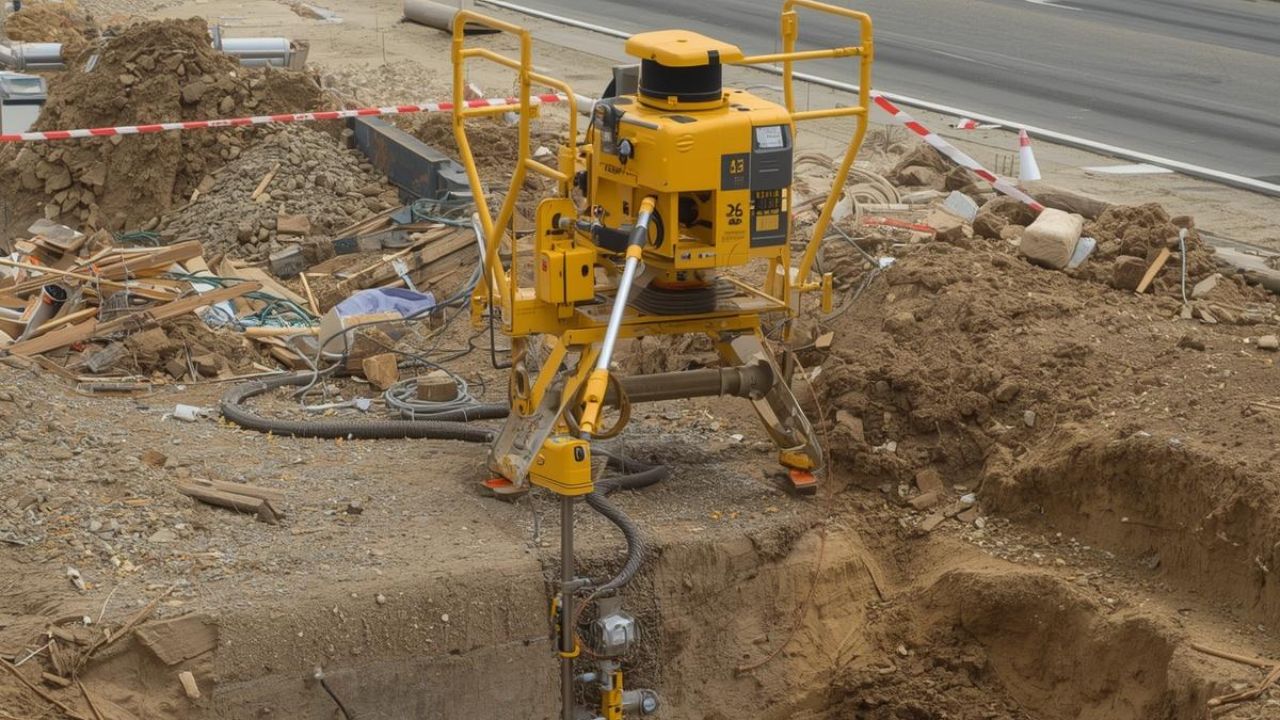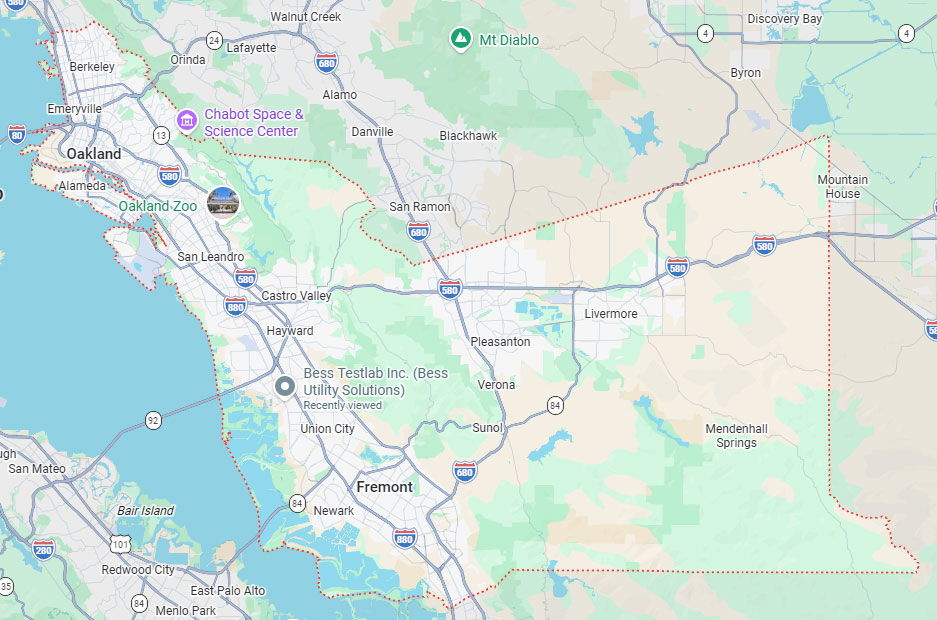
Hayward, CA
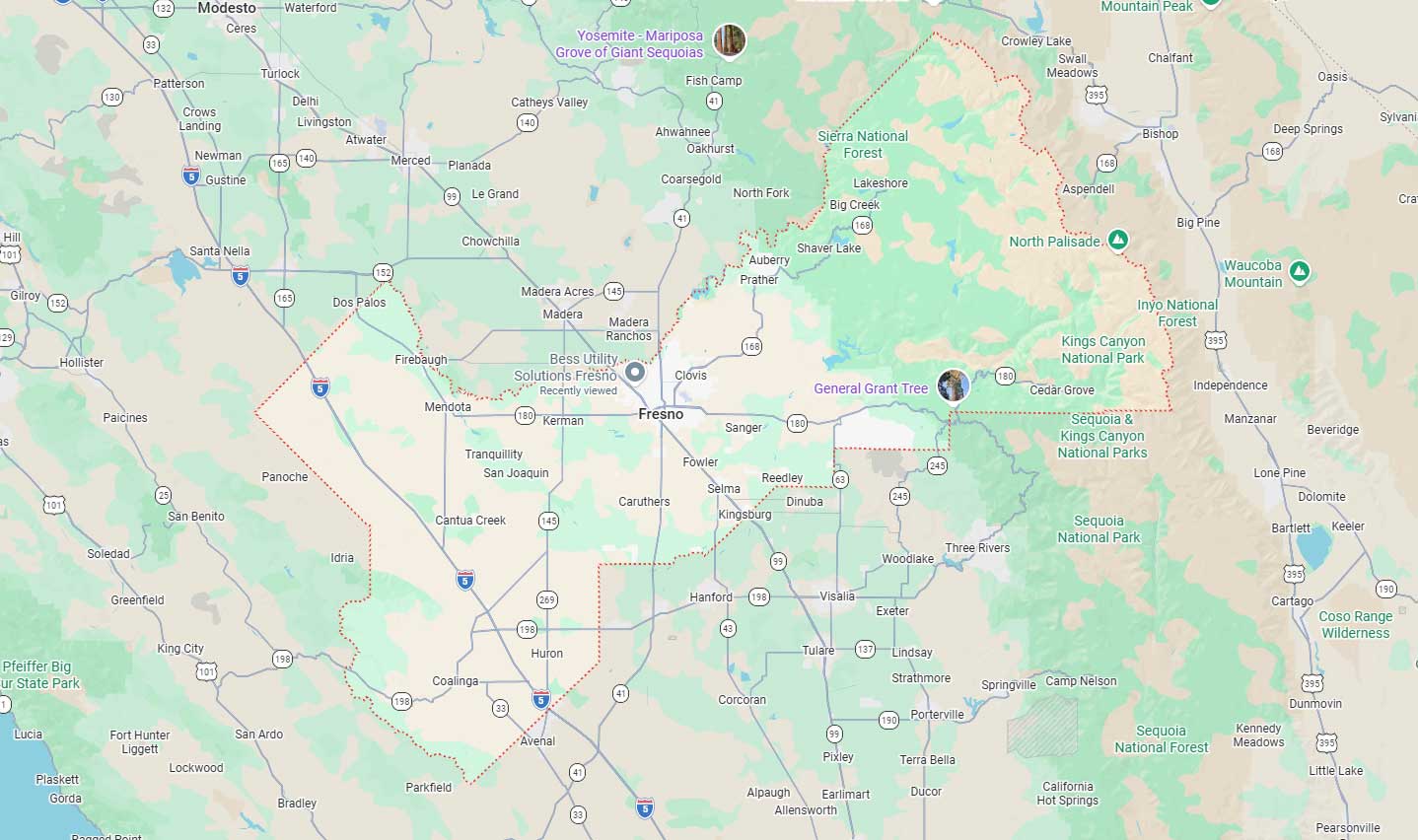
Fresno, CA
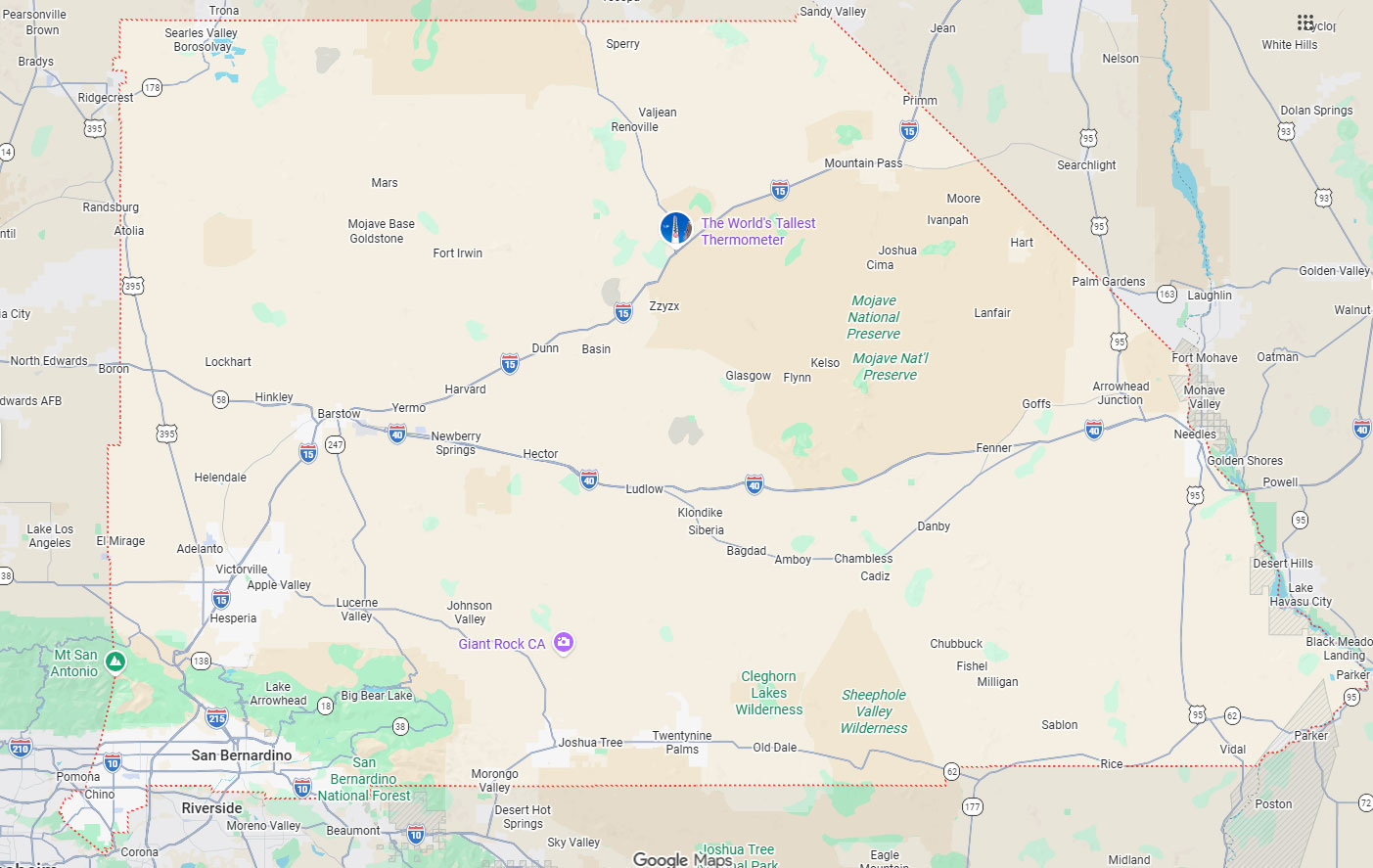
Orange, CA
Sacramento, CA
Phoenix, AZ
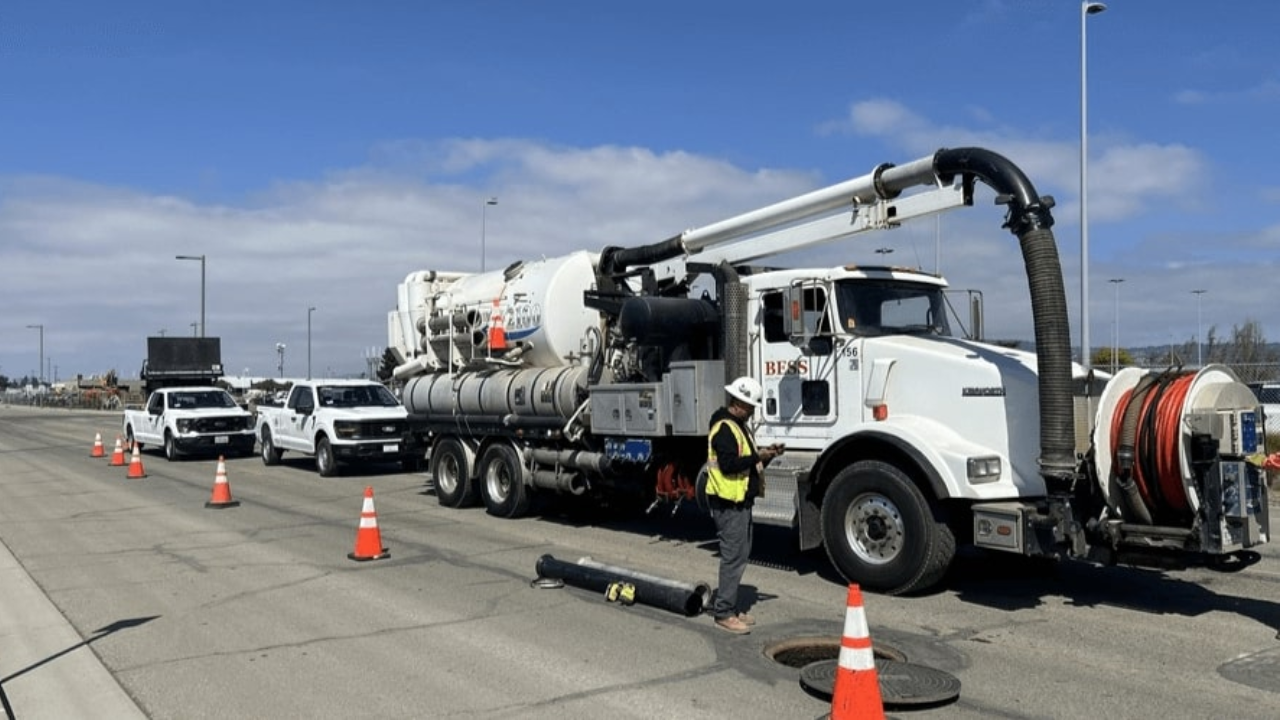
San Francisco excavation projects face compressed schedules, dense underground utility networks, aging infrastructure, and strict public right-of-way regulations that turn subsurface verification from optional to essential. A single unmarked private line can halt construction, trigger emergency repairs, breach service agreements, and generate change orders that eliminate project margins. Private utility locator hiring becomes a planning step rather than a reactive measure when project timelines, permit dependencies, and liability exposure intersect with incomplete as-built records and 811 notification limits.
Here’s what we break down: the gap between 811 notification and full subsurface coverage, the California and San Francisco permit windows that control timing, the project triggers that call for independent verification, and the criteria that separate a qualified provider from the rest. We also look at how underground utility locating pairs with vacuum excavation and GPR concrete scanning to close the coverage gaps that standard notification leaves behind.
Key Takeaways
A private utility locator identifies and maps subsurface utilities, infrastructure, and site features that public notification systems may not cover. 811 notification triggers public utility members to mark their owned facilities, while private locators use electromagnetic detection, ground-penetrating radar, vacuum excavation, and concrete scanning to verify private lines, abandoned infrastructure, and undocumented installations.
USA North 811 operates as California's regional notification center for damage prevention and coordinates responses from member utilities. Member utilities receive excavation notifications and mark facilities they own and operate at the dig site. The system serves professional excavators, contractors, homeowners, agricultural operators, and anyone performing digging activities within the service area.
811 member utilities mark only the facilities they own and operate within the excavation area. Private utility lines not owned by utilities remain unmarked through the 811 process. Landscape irrigation systems, landscape lighting circuits, natural gas lines to barbecues, electrical feeds to detached garages or sheds, private water laterals, and site-owned communications infrastructure fall outside 811 marking responsibilities. Understanding what 811 cannot locate helps contractors identify when additional verification services become necessary.
Private utility locating addresses gaps left by 811 notification and verifies complex on-site infrastructure before excavation begins. Services include underground utility locating using electromagnetic and radio-frequency methods, vacuum excavation and utility potholing for visual verification, ground-penetrating radar concrete scanning, subsurface 3D mapping and modeling, CCTV pipeline inspection, concrete cutting and coring with embedded utility avoidance, traffic control coordination, surveying and mapping deliverables, and leak detection for water and sewer systems.
| Service | What It Verifies |
| Underground utility locating (EM/RF) | Depth and path of active metallic and traceable lines |
| Vacuum excavation and potholing | Visual, non-destructive confirmation of marked lines |
| GPR concrete scanning | Non-metallic utilities, voids, and embedded rebar before cutting |
| Subsurface 3D mapping and modeling | A full site model for design and permit review |
| CCTV pipeline inspection | Pipe condition and routing for sewer and storm lines |
| Concrete cutting and coring | Concrete removal that avoids embedded utilities |
| Traffic control coordination | Street-space and right-of-way safety during locating work |
| Surveying and mapping deliverables | Documentation for engineers and permit submittals |
| Leak detection | Water and sewer leaks before they surface as larger failures |
Excavation timing in San Francisco requires coordination between California legal notification windows, municipal permit approval workflows, right-of-way access scheduling, and contractor mobilization dates. Delayed subsurface verification compresses decision windows and increases the risk that unknown utilities halt work after crews, equipment, and street-space permits are already committed.
California law requires excavators to notify the regional notification center at least two working days and not more than 14 calendar days before excavation begins. The notification date does not count toward the two-working-day notice requirement. Excavators must plan locating services within this window to ensure marks are valid when excavation starts.
San Francisco General Excavation permits allow licensed contractors to excavate and restore sidewalk or roadway pavement within the public right-of-way for utility installation, repair, or replacement. Street Space permits are required for occupancy within the public right-of-way for construction and related purposes.
Utility Excavation permits require a $25,000 deposit along with registration, insurance verification, business tax registration, and emergency contact documentation. Material and equipment may not occupy more than one-third of roadway width or more than one-half of sidewalk width without additional street-space authorization.
| Permit | Requirement |
| General Excavation Permit | Allows licensed contractors to excavate and restore sidewalk or roadway pavement for utility installation, repair, or replacement |
| Street Space Permit | Required for occupancy within the public right-of-way during construction and related activity |
| Utility Excavation Permit deposit | $25,000 deposit, plus registration, insurance verification, business tax registration, and emergency contact documentation |
| Roadway material/equipment limit | No more than one-third of roadway width without additional street-space authorization |
| Sidewalk material/equipment limit | No more than one-half of sidewalk width without additional street-space authorization |
When to hire underground mapping services depends on permit dependencies, crew schedules, and the cost of discovering conflicts after mobilization. Scheduling private locating before crews wait on marks, permits, or tight start dates prevents excavation delays and reduces change-order exposure. Early verification supports accurate permit applications and allows time for design adjustments when subsurface conflicts appear.
Private utility locator hiring becomes necessary when site conditions, project scope, or infrastructure complexity exceed what 811 member utilities will mark. Unknown private lines, outdated records, high-priority installations, and excavation activities near critical infrastructure trigger the need for independent verification before excavation begins.
Private locating addresses unknown or private site-owned lines that could affect excavation safety and project schedules. Record drawings may be missing, outdated, or contradicted by field conditions discovered during construction. Old drawings often fail to reflect abandoned utilities left in place, building renovations that added service lines, private laterals installed by previous owners, undocumented emergency repairs, or field deviations made during original construction.
High-priority subsurface installations trigger special notification requirements under California law when excavation is proposed within 10 feet. Excavation within this buffer zone requires an onsite meeting before work starts. Operators must notify excavators to schedule the meeting before the legal excavation start date and time to determine location-verification actions and damage-prevention measures needed.
Activities requiring locating include digging, trenching, boring, coring, cutting, utility repair, fence and post installation, landscaping work, and service upgrades. Any ground disturbance or concrete penetration creates strike risk when subsurface conditions remain unverified. The difference between public and private utility locating becomes critical during these operations.
Selecting a private utility locator requires evaluating technology capabilities, local regulatory knowledge, documentation standards, and the ability to recommend verification methods when electromagnetic detection alone cannot confirm utility locations. Commercial project safety compliance depends on choosing providers who understand California excavation law, San Francisco permitting workflows, and proven subsurface verification standards.
Qualified locators deploy multiple detection methods based on site conditions and project requirements. Ground-penetrating radar detects non-metallic utilities, voids, and embedded rebar that electromagnetic locating cannot identify. GPR scanning prevents costly utility strikes by revealing concrete-encased conduits and post-tension cables before cutting begins. Vacuum excavation provides visual confirmation when marks require verification before major excavation.
Local experience matters when handling San Francisco right-of-way requirements, permit coordination, and dense urban infrastructure challenges. Bess Utility Solutions brings 29 years of continuous operation and has served more than 1,000 clients across California projects. As a CPUC-certified MBE/DBE company, Bess maintains regulatory knowledge and certification standards required for municipal and utility-sector work.
Documentation deliverables should include field markings, utility maps with depth and material notations, photographic records, and written reports summarizing findings and limitations. Qualified locators explain when potholing or additional investigation is needed because electromagnetic signals alone cannot guarantee accuracy. Clear communication about detection confidence levels helps contractors make informed excavation decisions.
San Francisco's dense infrastructure, layered construction history, and public right-of-way constraints create conditions where private utility locating transitions from optional to essential for risk management and schedule protection. Pre-construction survey timing becomes critical when excavation occurs in congested corridors or facilities with incomplete historical records.
High-risk sites include multi-tenant properties, older buildings with multiple renovation cycles, public right-of-way areas with congested utility corridors, facilities with undocumented prior work, hospitals and schools with complex mechanical systems, municipal assets, utility yards, military and government facilities, dense commercial properties, and active public streets. Private locating services address growing demand in these complex environments where standard 811 notification leaves gaps.
Public right-of-way excavation requires coordination between utility locating, excavation permits, street-space occupancy, traffic control, and restoration schedules. Permit approval depends on complete site information, and street-space authorization limits how long equipment and materials can occupy roadways and sidewalks. Early locating prevents permit delays caused by incomplete subsurface data.
Schedule delays cascade when subsurface conflicts appear after crews mobilize, permits activate, and right-of-way occupancy begins. Change orders caused by unknown subsurface conflicts erode project budgets and extend timelines. Utility locating helps developers prevent utility strikes by identifying conflicts before excavation schedules become binding commitments.
Private utility locator hiring reduces financial exposure, schedule uncertainty, and safety liability by identifying subsurface conflicts before excavation begins. Verification costs remain minimal compared to utility strikes, emergency repairs, service interruptions, and project delays that result from inadequate subsurface awareness.
Utility strikes create immediate costs including service interruptions, injuries requiring medical response, emergency repairs with premium labor and material rates, and liability claims from affected property owners or utility companies. A single strike can halt project progress for days while repairs are completed and regulatory investigations proceed. What private locators can find that 811 cannot directly reduce these exposure points.
Unknown subsurface conflicts discovered during excavation trigger schedule delays while engineers redesign work sequences and contractors secure additional permits or materials. Change orders convert fixed-price contracts into cost-plus arrangements that eliminate profit margins. Early identification allows conflicts to be addressed during design rather than during construction when correction costs multiply.
Private locating improves commercial project safety compliance by reducing worker exposure to energized utilities, pressurized gas lines, and structural failures caused by inadvertent utility damage. Professional liability decreases when contractors demonstrate due diligence through independent verification beyond minimum 811 requirements. Documentation from private locators provides defensible evidence that reasonable precautions were taken before excavation began.
Understanding the excavation preparation checklist requires knowing when 811 notification is mandatory, where its scope ends, and when private locating becomes necessary for complete subsurface awareness. Both services address different parts of the damage-prevention process and often work together on complex projects.
California law mandates 811 notification for all excavation activities within the required two-to-fourteen-day window. This notification protects public utility infrastructure and initiates the legal damage-prevention workflow. Failure to notify exposes excavators to fines, liability, and regulatory penalties regardless of whether utilities are struck. Choosing the right utility locating service starts with understanding this legal foundation.
811 notification is essential, but member utilities mark only facilities they own and operate. Private lines, including irrigation systems, private electrical circuits, site-owned gas lines, private communications infrastructure, and abandoned utilities remain outside the 811 marking scope. Sites with incomplete as-built records, multiple renovation cycles, or unknown prior construction require private locating to address these gaps.
Comprehensive subsurface awareness requires calling 811 within the legally required notification window, then scheduling a private locator early enough to verify non-utility-owned or poorly documented lines before excavation begins. This integrated approach ensures public utilities receive notification while private infrastructure receives independent verification. Coordinating both services within permit timelines and crew schedules protects project budgets and reduces strike risk.
Strategic private utility locator hiring in San Francisco requires balancing California legal notification windows, municipal permit workflows, site-risk factors, and selection criteria that prioritize technology, documentation, and local regulatory knowledge. Projects succeed when subsurface verification happens early enough to influence design, permit applications, and excavation planning rather than becoming a reactive step after conflicts appear.
Bess Utility Solutions provides the technology mix, regulatory knowledge, and documentation standards that engineering project managers, construction superintendents, and public works directors need for safe, efficient excavation planning across California projects.
Bess Utility Solutions has verified subsurface conditions on more than 1,000 projects across California over 29 years, and our CPUC-certified MBE/DBE team knows the California notification windows and San Francisco permit requirements this guide covers. Whether you need a single verification before permit submittal or ongoing support across a multi-phase project, our locators bring the technology mix and documentation standards your team needs before crews mobilize.
Call (408) 988-0101 or request a quote to schedule private utility locating before your excavation permits are due.
A. Submit an 811 notification within the required two-to-fourteen-day window, then book your private utility locator early enough to review findings before permits are due. San Francisco’s General Excavation and Street Space permits depend on complete subsurface information, so scheduling private locating during design avoids delays later. Projects with complex utility corridors or older buildings benefit from booking two to three weeks ahead of the planned excavation date.
A. No. 811 member utilities mark only the facilities they own and operate, so private lines such as irrigation systems, private electrical circuits, site-owned gas lines, and abandoned utilities are not included. A private utility locator is the only way to verify these lines before excavation begins. Sites with incomplete as-built records or multiple renovation cycles carry the highest risk of unmarked private infrastructure.
A. Ground-penetrating radar detects non-metallic utilities, voids, and embedded rebar that electromagnetic locating alone cannot identify. Vacuum excavation then provides visual confirmation when a mark needs verification before major excavation. Combining both methods gives contractors a clearer picture of what lies beneath a site before cutting or digging begins.
A. Private locating costs stay minimal next to the expense of a utility strike, which can include emergency repairs at premium labor rates, service interruptions, medical costs, and liability claims. A single strike can also halt a project for days while repairs and regulatory reviews are completed. Verification performed during design or before mobilization is a fraction of the cost contractors face after a conflict surfaces mid-construction.
A. Look for a provider with multiple detection methods, including electromagnetic locating, ground-penetrating radar, and vacuum excavation, along with documented experience in San Francisco permitting and right-of-way rules. Ask what documentation you will receive, including utility maps, depth and material notations, and written findings. A qualified locator will also tell you plainly when marks need additional verification through potholing rather than overstating confidence in electromagnetic results alone.