Hayward, CA
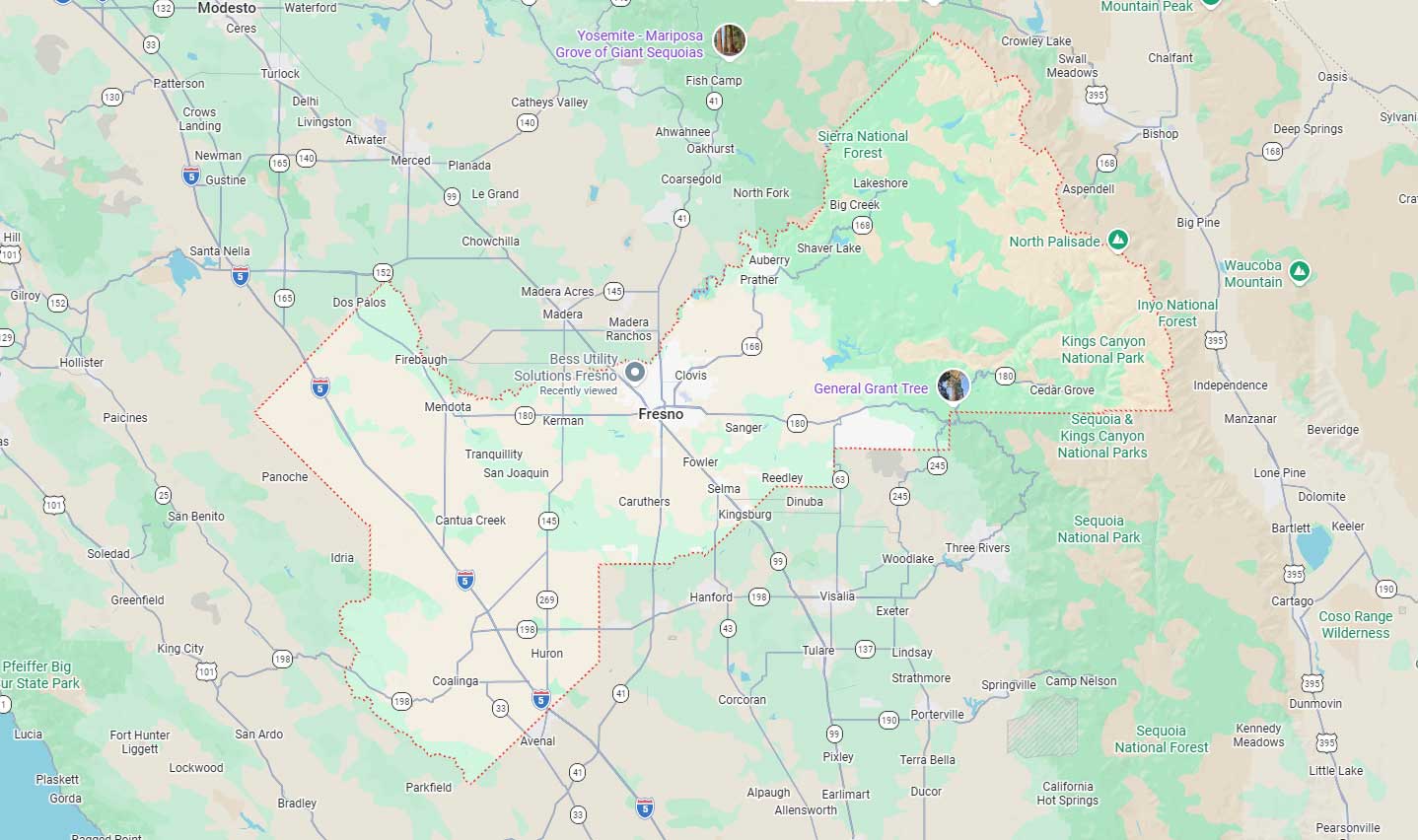
Fresno, CA
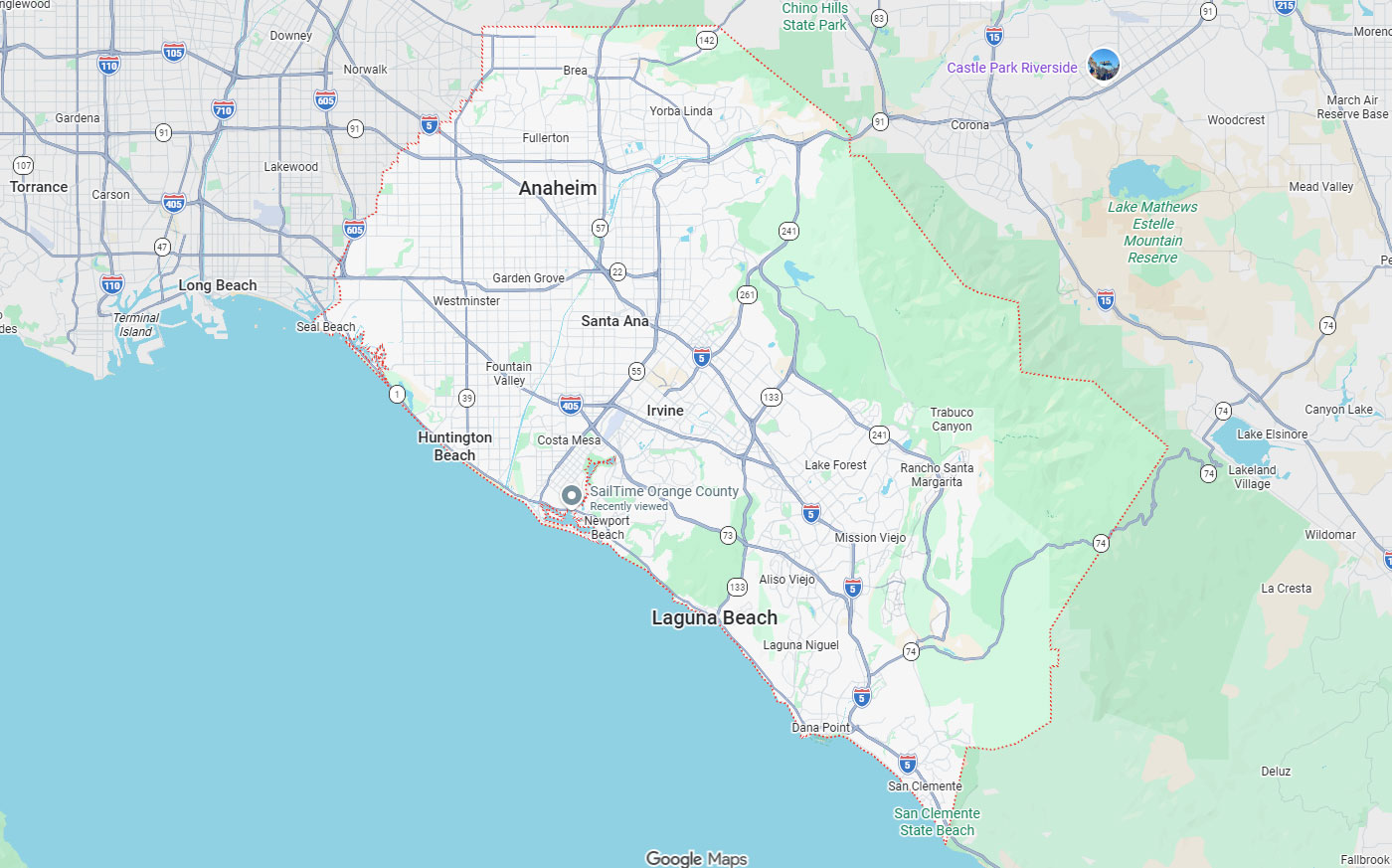
Orange, CA
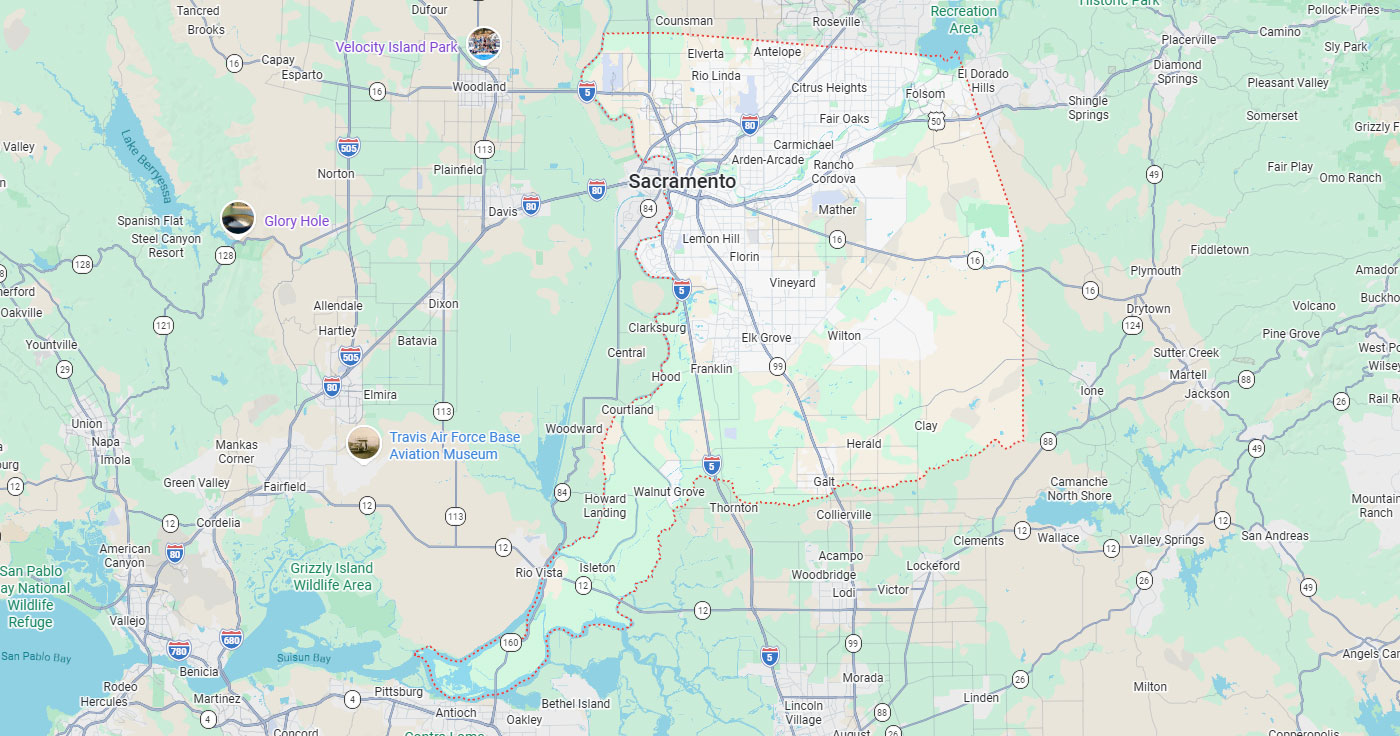
Sacramento, CA
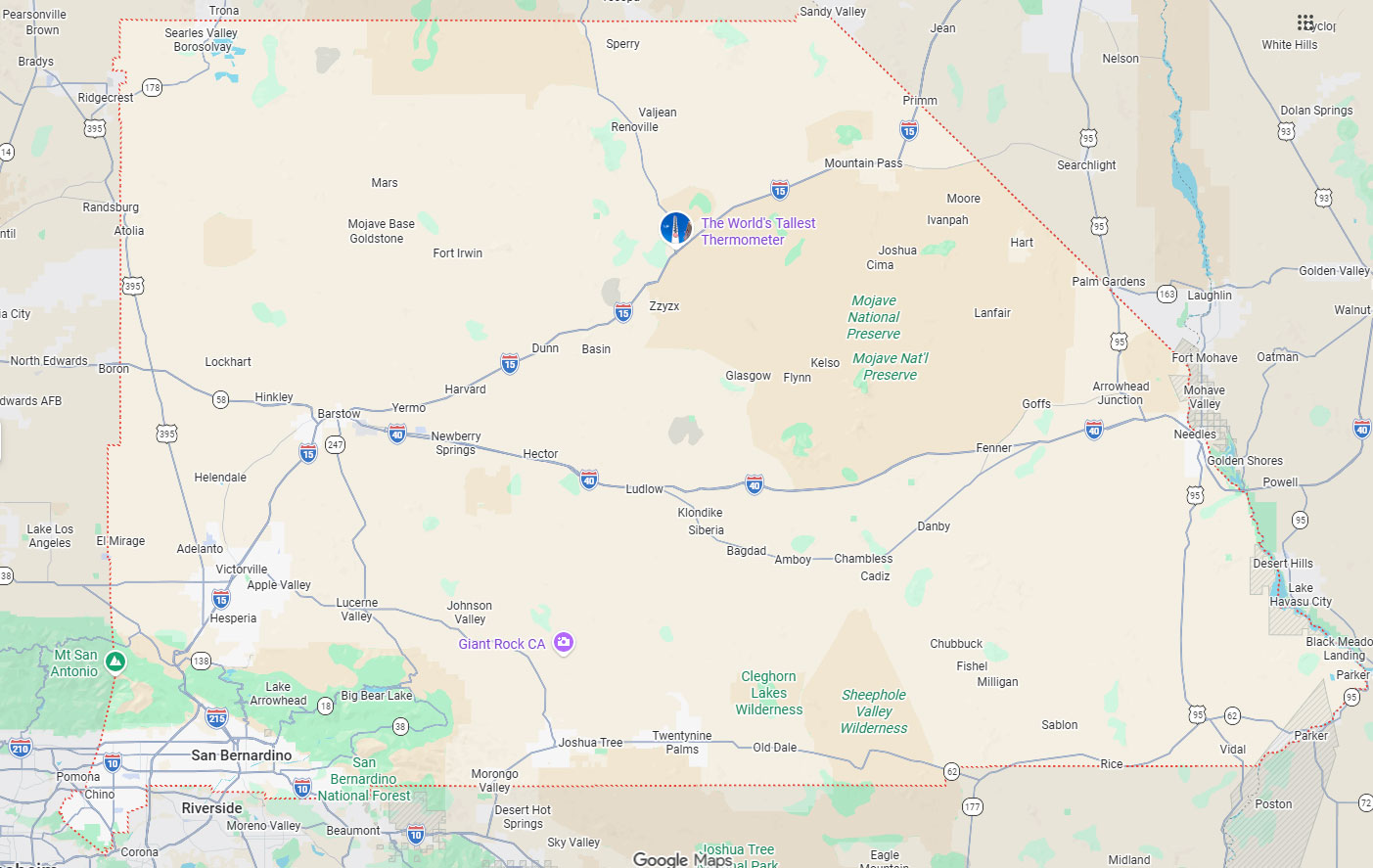
Phoenix, AZ
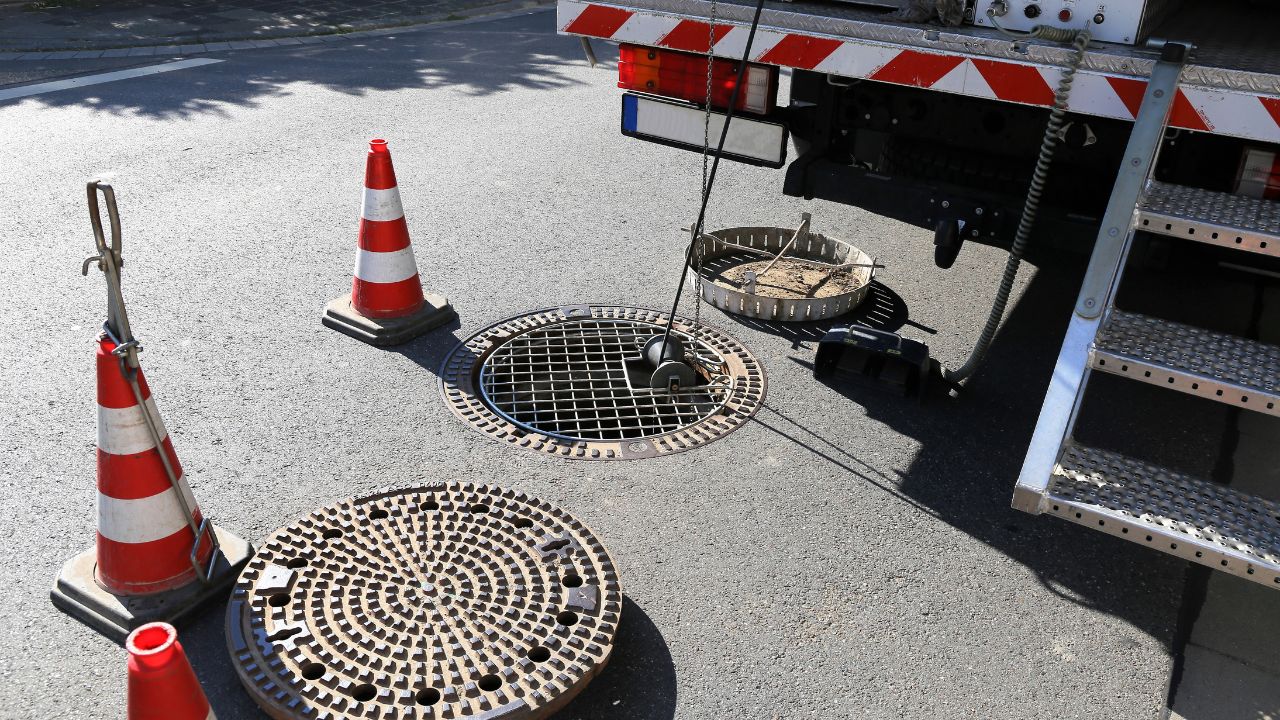
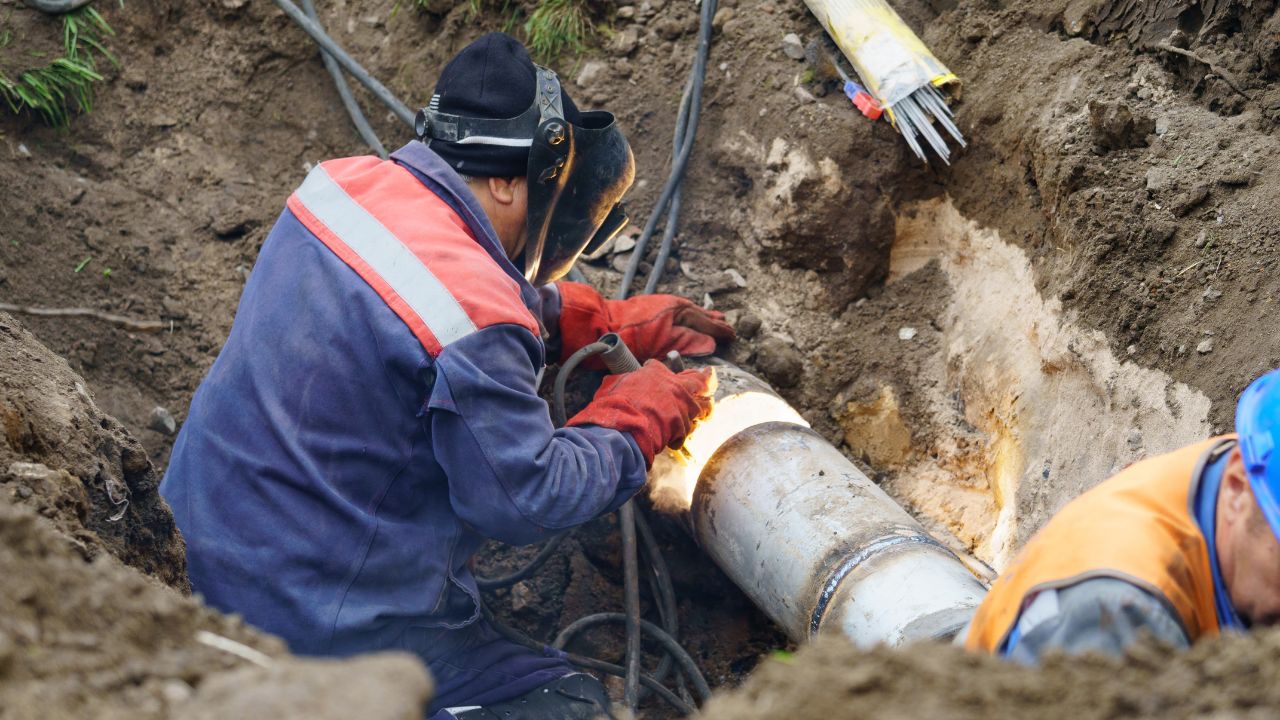
Utility locating identifies and marks underground infrastructure before excavation begins on construction sites. This process prevents damage to electric lines, gas mains, water pipes, fiber optic cables, and other buried utilities that power Hayward's commercial districts and residential neighborhoods.
Accurate Hayward utility mapping protects workers and reduces financial losses from avoidable incidents. The consequences of skipping this step extend far beyond immediate repair costs, affecting project schedules, regulatory compliance, and public safety throughout the Bay Area.
Key Takeaways
Utility locating is the process of identifying and marking underground utilities before excavation begins. This systematic approach combines detection technologies and verification methods to map subsurface infrastructure with precision, preventing accidental damage during digging operations.
The U.S. economy loses an estimated $62 billion annually due to utility strikes. Between 400,000 and 800,000 utility strikes occur each year nationwide, resulting in 1,906 injuries and 400 fatalities from 2000 to 2020.
Three primary technologies form the foundation of modern utility detection services. Each method addresses specific utility types and soil conditions, with commercial construction locating projects often requiring multiple approaches for complete subsurface mapping.
Electromagnetic locating is a detection method using a transmitter to induce a signal and a receiver to track it on conductive materials. Technicians place the transmitter near the suspected utility path, sending an electrical signal through metallic lines like copper water pipes, steel gas mains, or aluminum electric conduits.
The receiver then tracks this signal above ground to map the utility's location and depth. This method cannot detect non-metallic utilities unless tracer wire is present, and electromagnetic locating remains subject to signal interference from nearby power sources or crossing utilities.
Ground Penetrating Radar is a detection method using high-frequency radio waves to scan subsurface areas and identify material density changes. This technology excels at detecting both metallic and non-metallic utilities, including PVC water lines, HDPE gas pipes, and fiber optic conduits that electromagnetic methods miss.
Electromagnetic locating is fast and cost-effective compared to GPR, which detects non-metallic utilities but requires specialized expertise. GPR performance is reduced in clay-rich soils and saline soils common in Bay Area coastal zones, and GPR scanning requires highly skilled operators to interpret subsurface readings accurately.
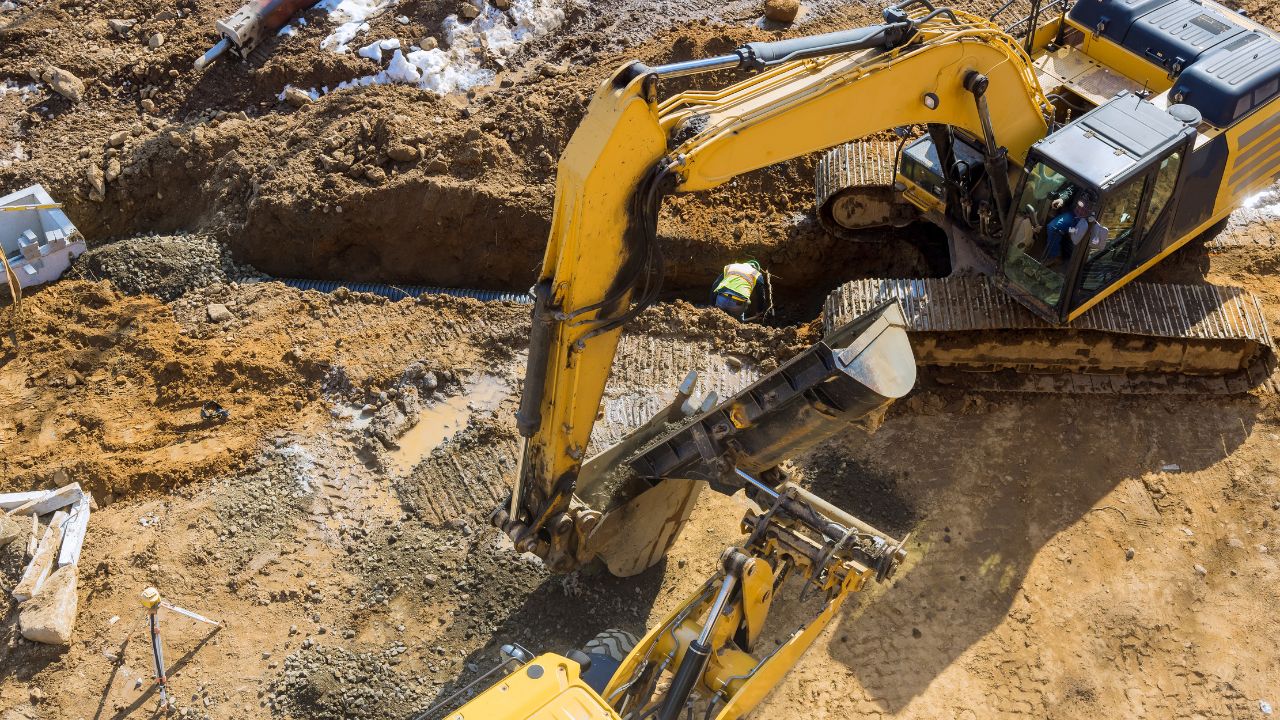
Vacuum and hydro excavation (potholing) is a physical verification method using high-pressure water or air to safely expose utilities. Operators use high-pressure water or air to break up soil, then vacuum broken soil into a tank to physically expose the utility for verification without risk of damage.
Surface geophysics, like electromagnetic and GPR, provides rapid scanning across large areas, while potholing provides pinpoint physical verification at critical conflict points. The advantages of hydro excavation include zero risk of striking utilities and confirmation of exact depth measurements.
Federal, state, and industry standards create a comprehensive regulatory framework for utility detection. These requirements establish minimum safety protocols and documentation standards that apply to all commercial projects in Hayward and throughout California's construction sector.
OSHA enforces underground utility safety through 29 CFR 1926.651, which mandates locating all utilities before excavation begins. OSHA fines reach up to $165,514 for willful violations, while serious violation fines reach $16,550 in 2025.
These penalties reflect the agency's focus on preventing worker injuries and fatalities. Contractors who fail to implement proper utility locating protocols face both financial penalties and increased liability exposure from accidents.
The 811 notification system is a free public utility marking service requiring two working days' notice before excavation. California law requires contractors to contact 811 at least two working days prior to excavation, but this system only marks utilities owned by participating public providers.
Nearly 38% of utility strikes in California in 2023 involved failure to use the 811 notification system. However, 811 only marks public utilities, leaving 60% of the infrastructure that is privately owned and not marked by this free service.
Subsurface Utility Engineering is a comprehensive approach combining multiple detection methods to meet ASCE standards established by the American Society of Civil Engineers. Quality Level A (QL-A) verification requires physical exposure of utilities through vacuum excavation or test pits for maximum accuracy.
Quality Level B (QL-B) mapping uses surface geophysical methods like electromagnetic and GPR detection without excavation. Quality Level D (QL-D) relies on existing utility records from as-built drawings and utility company maps, while ASCE 38-22 compliance ensures documented accuracy levels match project risk profiles.
Project requirements, budget constraints, and accuracy needs determine the appropriate detection approach. Understanding these factors helps contractors select services that balance cost efficiency with risk mitigation for their specific Hayward commercial projects.
Commercial projects represent 35% of the utility locating market share nationwide. Residential projects represent 25% market share, while municipal projects represent 20% market share and industrial projects represent 20% market share.
Commercial construction typically demands higher accuracy standards due to liability exposure and project complexity. Large-scale developments require Quality Level B or Quality Level A verification to prevent expensive conflicts during excavation phases.
Contractors demand location tolerances better than 100mm horizontally for critical utility conflicts. Electromagnetic locating pricing ranges from $100 to $400 per job, while GPR pricing ranges from $400 to $800 or more per job.
Equipment purchase represents an alternative for high-volume contractors, with electromagnetic equipment costing approximately $5,000. GPR equipment purchase costs range from $14,000 to $100,000 or more, depending on depth penetration and data processing capabilities.
Millennials represent 35.0% of the construction workforce, up 2% since 2019. Gen X represents 33.7% of the construction workforce, down from 36.6% in 2019, while Gen Z represents 14.1%, up from 6.4% in 2019.
Baby Boomers represent 14.2% of the construction workforce, down from 20.6% due to retirement. The median age of the construction workforce is 42 years old, with younger workers driving the adoption of GPS-enabled mapping and cloud-based documentation systems.
Financial analysis reveals that utility locating represents a high-return investment rather than a discretionary expense. The true costs of utility strikes extend far beyond immediate repair, affecting project timelines, legal liability, and long-term insurance rates.
A 29:1 ratio of indirect to direct costs characterizes utility strike incidents. Direct repair costs range from $4,000 to $56,000 per utility strike, depending on the infrastructure type and damage severity.
A $1 million repair actually costs $29 million when including indirect expenses like project delays and legal fees. Project delays average 8 to 12 weeks per utility strike incident, creating cascading costs from idle equipment, extended labor, and missed deadlines.
Subsurface Utility Engineering delivers average savings of 4.6% of total construction costs through better subsurface information. This translates to a $4.62 return for every $1.00 spent on SUE services by preventing utility relocations and eliminating design conflicts.
Vacuum and hydro excavation pricing starts at $3,360 or more per day for full SUE services, including Quality Level A verification. Despite higher upfront costs, physical verification prevents the far greater expenses associated with striking unknown utilities during mass excavation.
Combining multiple detection technologies delivers the most reliable results for complex commercial sites. Best practices emphasize layered verification approaches that match quality levels to specific project risk profiles and subsurface complexity.
Electromagnetic locating accounts for 44.5% of global utility locator revenue due to its speed and cost efficiency. GPR represents approximately 35% market share and continues growing as infrastructure increasingly uses non-metallic materials like HDPE and PVC.
Vacuum and hydro excavation represent approximately 15% market share for final verification steps. Tracer wire, a conductive wire buried with non-metallic utilities, enables electromagnetic detection of otherwise invisible infrastructure like fiber optic cables and plastic water lines.
Quality Level A verification becomes necessary when subsurface conflicts threaten construction safety or project budgets. Critical areas include utility crossing zones, high-value infrastructure intersections, and locations where surface geophysics indicates multiple utilities at similar depths.
Physical exposure eliminates uncertainty by confirming exact utility locations, depths, and conditions before heavy equipment begins digging. Vacuum excavation improves safety by creating visual confirmation without the strike risk associated with mechanical excavation methods.
The North American utility locating market was valued at $2.33 billion in 2024. Projections indicate the North American market will reach $4.11 billion by 2032, representing a market compound annual growth rate of 7.3%.
California's construction sector supported 922,400 workers across 95,800 establishments in 2024, driving sustained demand for utility detection services. Major Hayward infrastructure initiatives like the Mission Boulevard Corridor Improvement project demonstrate ongoing investment in commercial development and public infrastructure modernization.
Accurate subsurface information protects construction budgets, worker safety, and project schedules across Hayward's growing commercial landscape. The combination of electromagnetic detection, ground penetrating radar, and vacuum truck services creates comprehensive utility mapping that prevents costly strikes while maintaining project efficiency and construction safety throughout all phases of development.
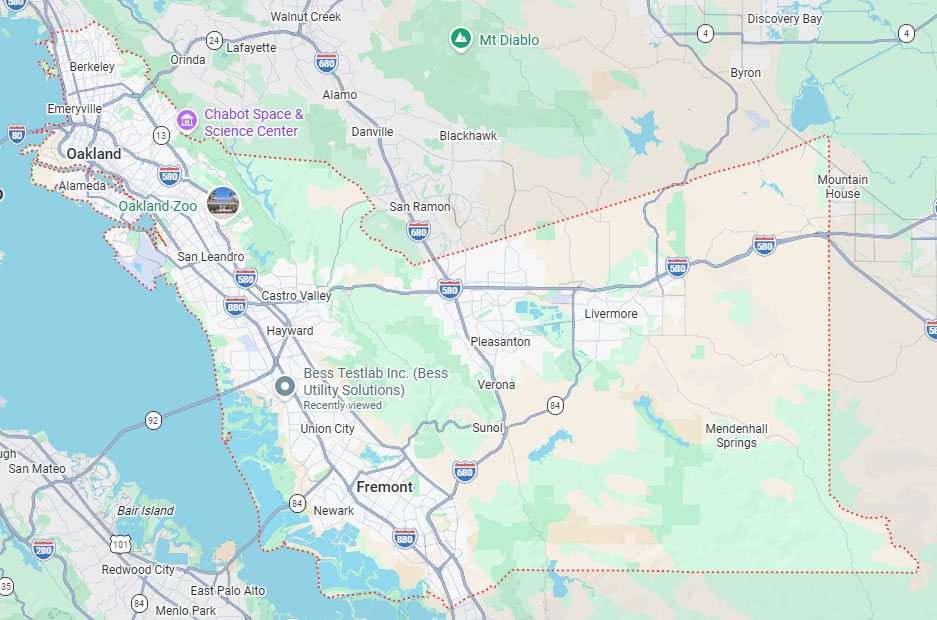
Bess Utility Solutions has served commercial construction teams across Hayward and the Bay Area for 29 years. As a CPUC-certified MBE/DBE firm with 1,000+ satisfied clients, we bring ASCE 38-22 compliant utility locating, GPR scanning, electromagnetic detection, and vacuum excavation under one roof — so your project moves forward without costly surprises underground. Contact us today to schedule a consultation or request a quote.