Hayward, CA
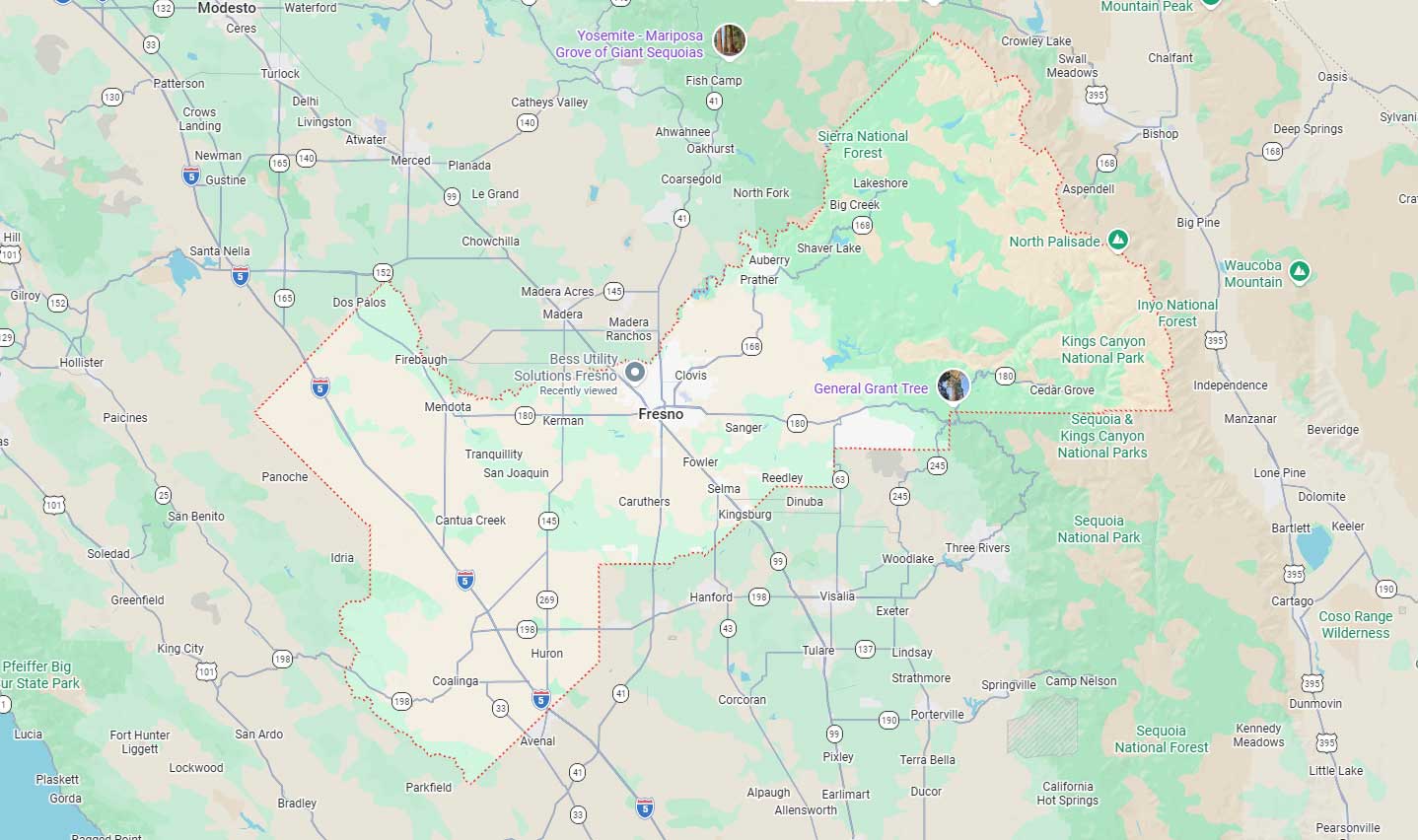
Fresno, CA
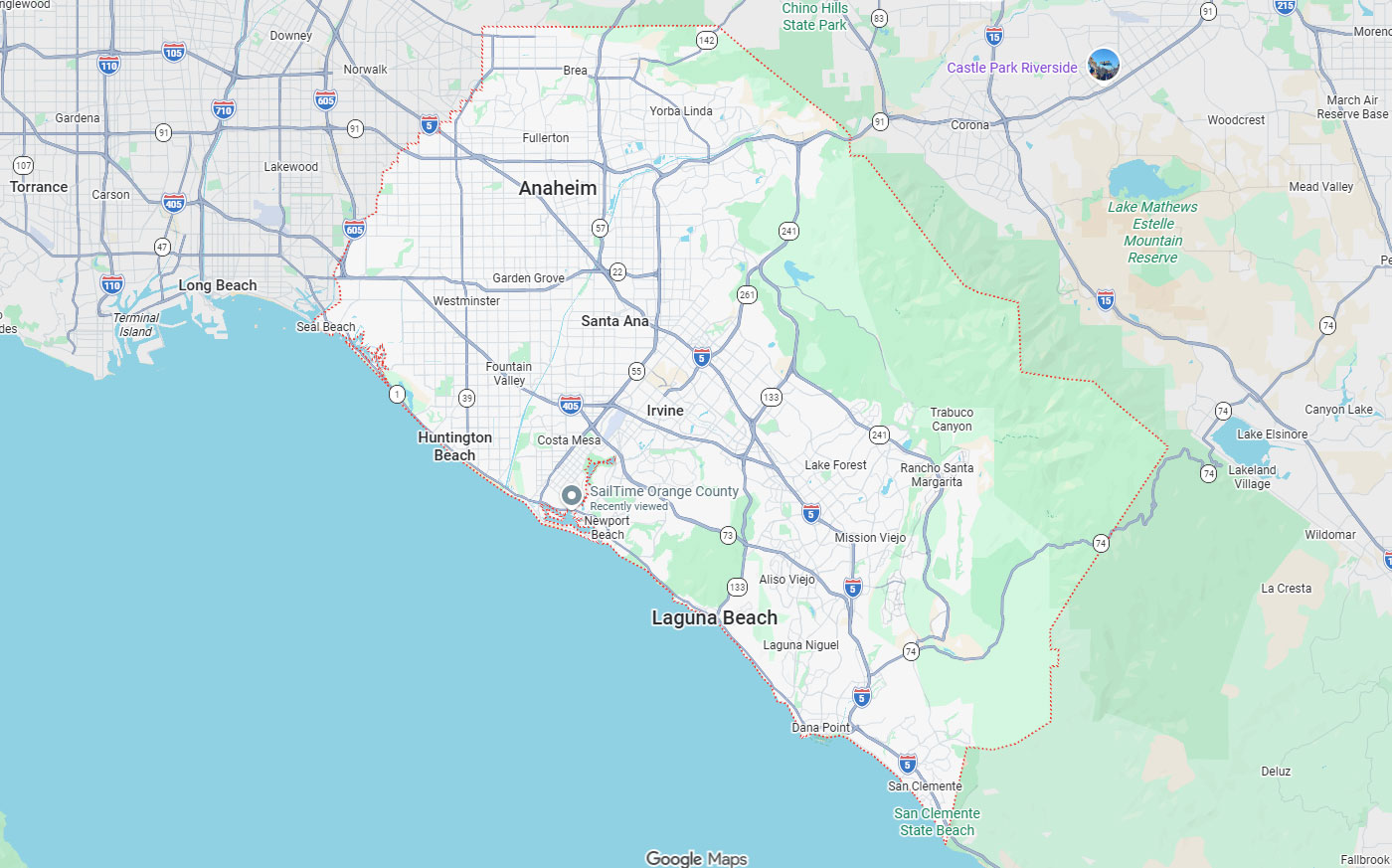
Orange, CA
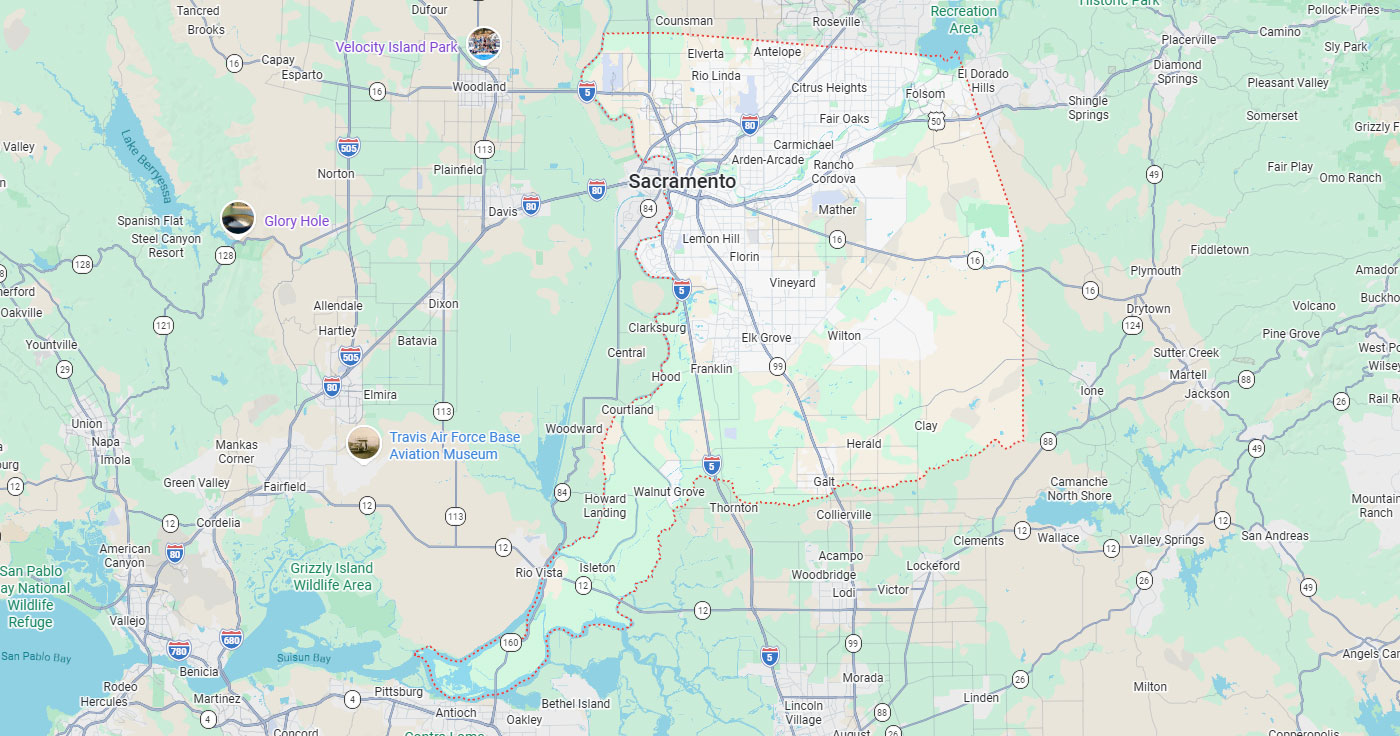
Sacramento, CA
Phoenix, AZ
Key Takeaways:
December excavation projects face compounding risks that turn routine digs into disasters. Frozen ground, obscured markings, and shortened daylight create a dangerous trifecta. Skip professional utility locating and you risk worker safety, infrastructure damage, and six-figure consequences.
The 2024 CGA DIRT Report analyzed 196,977 damage incidents. The CGA Index rose from 94.0 to 96.7—the industry moved backward. Utility strikes cost $4,000 in direct damages, plus $29 in indirect costs for every dollar of direct damage. Winter excavation without subsurface verification is a liability few can afford.
Winter conditions transform standard excavation into high-risk operations. Cold weather affects soil mechanics, equipment performance, and worker capability.
Frozen soil becomes compacted and brittle, requiring greater force and dramatically increasing the risk of accidental utility damage. When soil moisture freezes, the resulting ice has a much higher dielectric constant than unfrozen soil, causing signal attenuation in detection equipment. Radar waves lose energy quickly through frozen ground, reducing penetration depth and accuracy.
Frozen ground affects conductivity, interfering with electromagnetic locating signals. Equipment that works reliably in summer requires specialized multi-frequency approaches and regular recalibration for frozen conditions. Without proper utility detection methods, crews operate blind.
Cold weather reduces worker dexterity and focus, increasing error risk. Numb hands and divided attention between work and staying warm compromise precision. Low temperatures also degrade mechanical performance. Hydraulic systems and batteries require winter-specific lubricants and frequent recalibration to maintain basic functionality.
Snow and ice obscure utility markings—the critical visual guides for safe excavation zones. The CGA DIRT Report confirms marks faded, lost, or not maintained cause 2.17% of all damages. Winter conditions exponentially worsen this problem. Shorter days compress work windows. Crews rushing before darkness often skip verification steps.
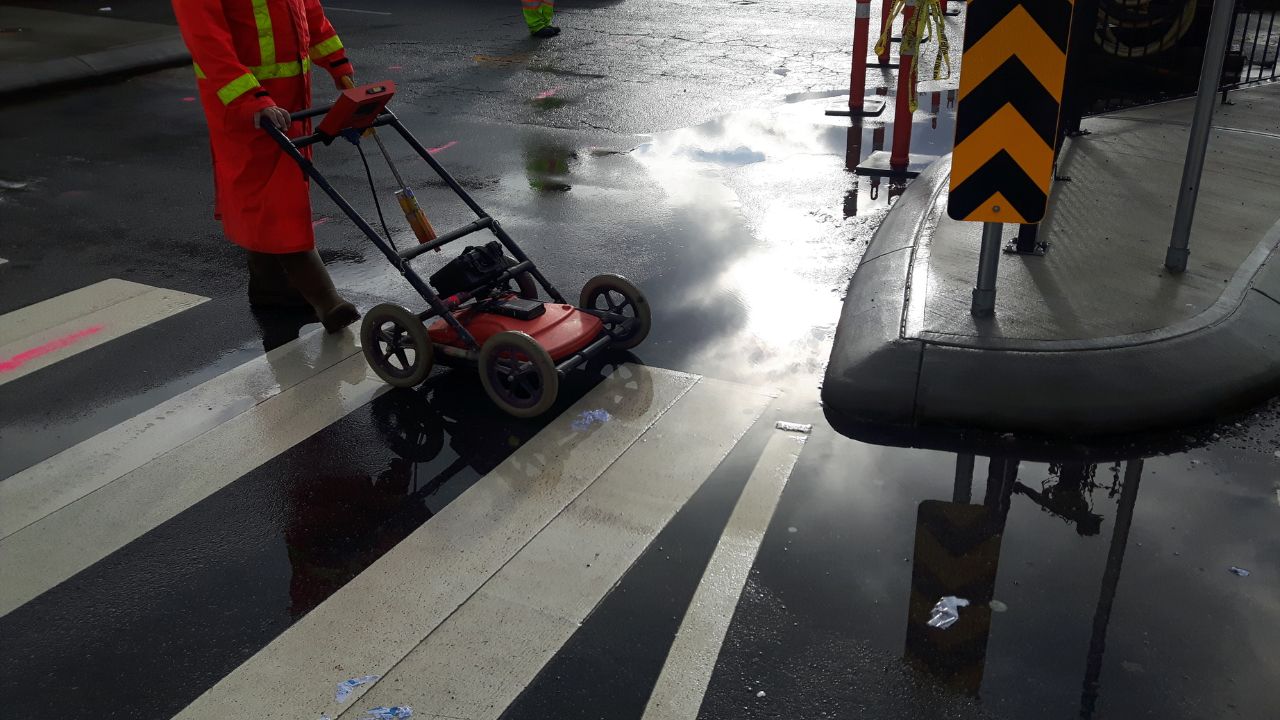
Utility locating identifies and maps underground infrastructure before excavation begins. The process uses electromagnetic detection, ground-penetrating radar, and physical verification to create accurate subsurface pictures.
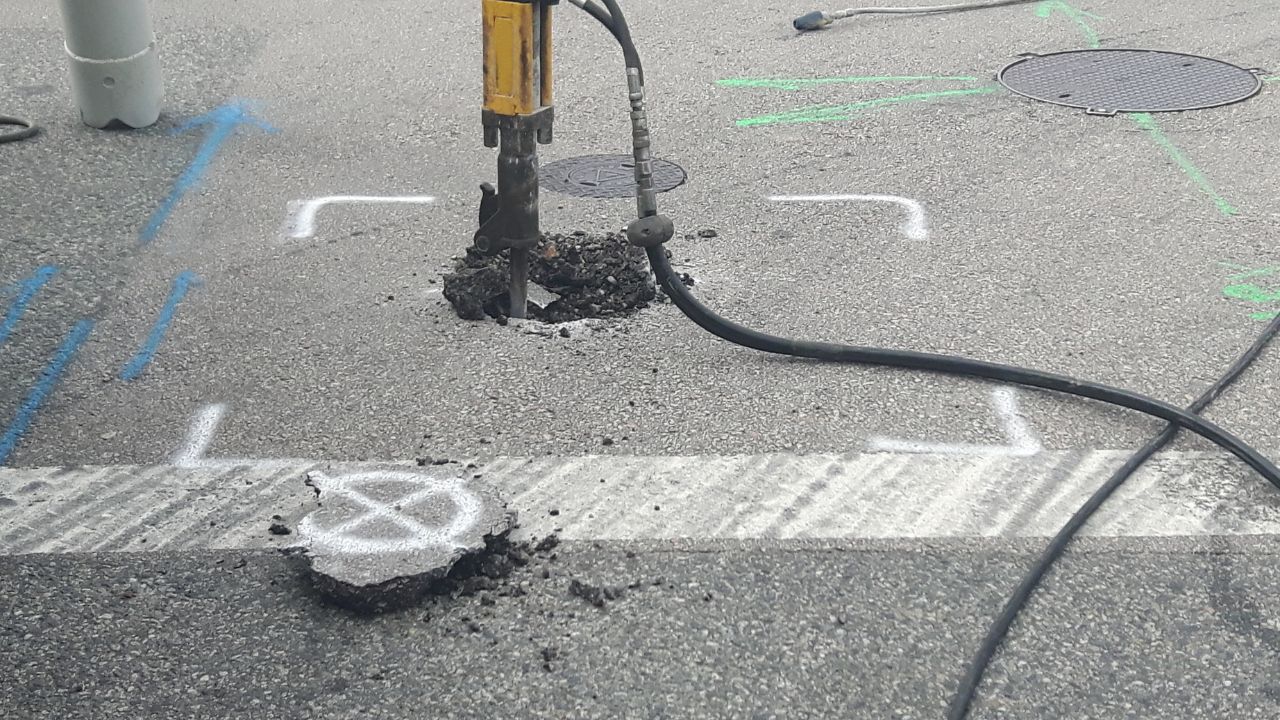
Electric utilities carry deadly voltage. Gas lines pose explosion and asphyxiation risks. Communications and fiber optic cables connect critical infrastructure. Water mains flood sites in minutes. Sewer lines create health hazards. Oil and chemical lines demand immediate hazmat response when breached. The 811 color code standardizes identification: red for electric, yellow for gas, orange for communications, blue for water, green for sewer.
Records contain errors, omissions, and outdated information. The CGA DIRT Report identifies incorrect facility records cause 2.16% of utility damages—thousands of strikes annually from contractors who trusted paper over physical verification. Underground infrastructure changes constantly without documentation updates. A five-year-old map may miss three subsequent projects. Relying on drawings alone is a documented risk experienced contractors won't take.
Professional locating employs layered verification: 811 calls, private locators, GPR surveys, electromagnetic detection, and vacuum excavation potholing. Each layer catches what previous methods miss. GPR excels at non-metallic utilities. Electromagnetic locating traces conductive lines. Physical potholing verifies depth and position. Together, these methods eliminate dangerous assumptions.
Skipping utility locating creates cascading failures. Routine digs become emergency responses with multiple agencies, work stoppages, and regulatory scrutiny.
Utility strikes trigger immediate emergency protocols. The struck utility must be isolated, often requiring neighborhood or district-wide shutdowns. Emergency crews respond, excavation stops, investigations begin. The U.S. sees 400,000 to 800,000 utility strikes annually, costing $30 billion in excavation-related damages.
Repair costs vary by utility type. Water mains require excavation, pipe replacement, and resealing. Electrical cables demand splicing, insulation, and safety checks. Oil and gas lines need leak detection, replacement, and regulatory inspections. Fiber optic repairs require specialized skills, splicing equipment, and extensive testing—often the costliest category.
Gas and electrical strikes pose immediate safety risks: electrical shocks, gas leaks, hazardous material exposure causing immediate injuries or long-term health issues. Cold weather compounds response challenges. Reduced worker dexterity slows emergency reactions. Winter conditions complicate hazmat containment. Heavier, colder air keeps gas concentrations at ground level longer, and closed, heated buildings accumulate dangerous levels quickly.
A single strike idles entire construction teams. Equipment and personnel sit unused until repairs complete. Extended labor costs mount. Equipment rentals extend beyond budget. New paperwork and permits stretch timelines. Project cash flow disrupts. The CGA DIRT Report reveals excavators face a 38% chance of being unable to start work on time due to incomplete location responses. When strikes occur, delays approach certainty. Redesigns become necessary when struck utilities can't be relocated as planned.
Risk distributes unevenly across project stakeholders. Some parties carry exposure far beyond their project involvement.
Commercial contractors face direct liability for strikes. The CGA DIRT Report shows failure to notify 811 causes 24.54% of all damages—the largest single root cause. Excavators failing to maintain clearance after verifying marks cause 16.07% of damages. Improper excavation practices account for 6.75%, while digging before potholing verification causes 4.94%. These statistics represent contractor decisions, not locator errors. Contractors carry full liability, facing penalties, litigation, and insurance consequences extending years beyond the initial strike.
Public projects affect broader populations. Municipal service disruptions impact traffic management, emergency response, and sewage treatment. Cities must repair or compensate for interrupted services at premium emergency rates. Legal actions can target public agencies for inadequate oversight or contractor selection. Media coverage amplifies incidents. Elected officials demand explanations. The public nature means consequences extend beyond financial costs into political and reputational damage affecting future funding.
Facility owners lose client trust when strikes cause service disruptions. Potential clients hesitate to engage with organizations having recent strike histories. Negative word-of-mouth spreads through industry networks, affecting relationships with clients, partners, and investors for years. Insurance consequences persist longest. Frequent claims raise premiums across all coverage types. Strike history drives up costs and may prevent contractors from obtaining insurance altogether, effectively ending their market participation.
Professional locating adapts detection methods to winter conditions. Technology selection and deployment strategies change based on ground temperature, moisture content, and snow cover.
Traditional GPR faces winter challenges. Snow and ice lift ground-coupled antennas off the surface, reducing energy transmission and penetration depth. When snow or ice reaches sufficient thickness, ringing effects from multiple reflections obscure utility signals. Ice's higher dielectric constant increases signal attenuation. Frozen ground creates surface reflection clutter, making it difficult to distinguish utilities from background noise.
Advanced solutions compensate for winter conditions. Live Dig Radar (LDR) technology embeds into excavator buckets, eliminating the distance signals travel through frozen ground. The system generates real-time scans with each dig, providing "next-bite" detection. Real-time alerts delivered to operators in heated cabs. Electromagnetic locating requires different adaptations: multi-frequency approaches for frozen ground, specialized permafrost techniques, and regular equipment calibration.
Locator errors cause significant damages. Facilities not marked due to locator error account for 11.94% of damages. Inaccurate marking causes another 8.58%. No response from operators leaves facilities unmarked in 4.71% of cases. Water, sewer, telecommunications, and CATV utilities dominated nine of the top ten root causes. Even professional locating isn't infallible. Multiple verification methods reduce cumulative error rates. Understanding why utility locating is essential helps contractors appreciate layered approaches.
Comprehensive winter strategies combine multiple data sources: pre-excavation utility locating, GPR surveys, electromagnetic detection, vacuum excavation, real-time detection technology, and site mapping. GPS documentation backs up physical markings. Digital mapping supplements obscured marks. This data integration allows real-time decision-making even when visual markers are invisible under snow.
Vacuum excavation provides non-destructive verification when winter conditions make other detection methods less reliable.
Modern vacuum excavators operate with integrated water heaters designed for temperatures as low as -40°F. This makes vacuum excavation the safest winter digging method. Equipment uses pressurized water or air to break up soil, then vacuums the slurry into holding tanks. Utilities remain untouched while excavation proceeds to required depths.
Integrated systems identify underground cables before full excavation. This preview capability is invaluable when other detection methods struggle. Physical verification eliminates doubt. Crews see actual utility depth, routing, and condition before committing to full excavation. Winter maintenance keeps systems operational: check airline hoses for cracking, ensure air dryers function, inspect lights, change oil regularly, inspect batteries and hydraulic systems, and drain water systems completely after each use.
Visual confirmation becomes mandatory near marked utilities in frozen ground. Use ground-thawing equipment like hydronic heaters to soften soil near marked cables. Near sensitive utilities, switch to manual excavation with insulated tools that minimize force. Physical verification through potholing is essential before full-scale excavation. This layered approach—locate, verify, then excavate—prevents the majority of winter utility strikes.
GPR and comprehensive mapping provide subsurface intelligence needed for safe winter excavation decisions.
GPR must be properly calibrated for cold conditions. Despite winter challenges, GPR signals pass through snow and ice without blocking. In dry sands, thin snow or ice cover generally isn't a serious problem. Concrete scanning faces fewer winter limitations than soil scanning. Concrete's consistent density and moisture content remain relatively stable through temperature changes. Post-tension cables, rebar, and conduits show clearly on GPR scans regardless of surface temperature.
Cold-weather marking standards compensate for visibility challenges. High-visibility, weather-resistant paint withstands snow and ice better than standard marking paint. Frequent reapplication becomes necessary as snow accumulates. Elevated markers or stakes extending above expected snow lines maintain visibility. GPS documentation backs up physical markings when snow covers paint. Digital mapping supplements obscured marks. When multiple documentation methods exist, winter conditions can't eliminate all excavation guidance.
Utility strike consequences extend beyond immediate repair costs. Long-term impacts affect insurance, legal standing, and business viability.
Legal actions include attorney fees, court proceedings, and settlements. Frequent damage claims raise insurance premiums across all policy types. Insurers evaluate risk based on claim frequency and severity. Strike history directly impacts coverage costs. Some contractors with poor safety records find insurance unavailable at any price, effectively ending their ability to operate. Higher insurance costs force contractors to either absorb costs or pass them to clients through higher bids, damaging market position either way.
Utility strikes trigger multiple penalty mechanisms. Contractual Service Level Agreement violations result in financial penalties. Milestone slips cascade into additional penalties. Clients, local authorities, utility companies, and municipal authorities all impose their own penalty structures. Safety standard violations compound penalties. HSE HSG47 establishes best practices for identifying and managing underground utility risks. PAS 128 provides frameworks for underground utility surveys. Violations during incident investigations lead to additional penalties and potential criminal liability for safety officers and company principals.
Documentation separates negligence from unavoidable incidents. Insurance claims require extensive paperwork trails. Regulatory compliance demands incident reporting to multiple authorities. Administrative and legal costs often exceed direct repair costs. Proper documentation shows due diligence: 811 calls, locating reports, GPR surveys, potholing verification, and pre-excavation safety meetings demonstrate reasonable care. When strikes occur despite proper procedures, documentation limits liability.
Winter scheduling requires different approaches than summer projects. Advanced planning and proper subsurface intelligence make winter excavation feasible and safe.
The CGA DIRT Report shows 38% of excavators can't start work on time due to incomplete location responses. States with active enforcement programs achieve significantly higher on-time rates. Locate response times affect project schedules more than weather delays. Late locates combined with year-end deadline pressure create dangerous conditions where safety steps get skipped. Early utility locating—scheduled weeks before excavation—eliminates locate delays from critical paths. Crews use weather downtime to review subsurface information rather than waiting for locating services.
Verified subsurface data prevents rework that devastates winter schedules. Proper strike prevention could save $40 billion in infrastructure project costs. Real-time detection technology minimizes striking risks in frozen ground. Crews don't wait for ground thawing when they know exactly where utilities run. Rework in winter costs more than summer rework. Frozen ground, shortened work days, and weather interruptions make every hour of lost productivity more expensive.
Winter excavation requires specific preparation steps. Skipping any element increases risk exponentially.
Pre-excavation safety meetings should review winter-specific hazards before equipment arrives. Confirm all locating methods completed and documented. Verify equipment calibration for cold weather. Establish communication protocols for winter conditions. Review emergency response procedures specific to winter hazards. Schedule utility locating at least two weeks before planned excavation start dates. This buffer accommodates weather delays, incomplete utility records requiring additional research, and follow-up verification when initial results show conflicts.
Verify providers use GPR properly calibrated for cold conditions. Confirm electromagnetic cable locators with winter-appropriate settings. Ask about advanced detection technologies and winter-specific capabilities. Check experience with frozen ground and winter excavation support. Verify availability of vacuum excavation services rated to -40°F. Request GPS documentation and digital mapping as standard deliverables. Ask about winter-specific marking protocols: frequency of mark reapplication during snow events, use of elevated stakes, weather-resistant paint formulations, and procedures when snow cover prevents traditional marking.
Clear snow thoroughly before each work period. Reapply utility markers with high-visibility, weather-resistant paint as needed. Maintain elevated markers extending above the snow line. Keep GPS documentation accessible to all crew members. Use digital mapping to supplement obscured physical marks. Daily safety briefings should reference specific utility locations relative to that day's excavation zone. Contacting experienced utility locating professionals ensures data remains current and actionable throughout winter projects.
Winter excavation without professional utility locating is indefensible. The combination of increased detection difficulty and increased consequences creates unacceptable risk.
Detection devices must be recalibrated for frozen ground's environmental effects. Equipment requires winter-specific lubricants. Frozen ground demands specialized techniques. Advanced technology like Live Dig Radar provides real-time alerts from heated excavator cabs, increasing safety in icy, unpredictable conditions. Experience separates adequate from excellent location in winter. Operators must recognize when conditions prevent reliable detection and recommend alternatives. This expertise comes from repeated winter operation and learning from challenging conditions.
The CGA DIRT Report's top ten root causes account for 85% of all damages. Industry recommendations focus on reducing failure-to-contact-811 damages through improved enforcement, targeting high-risk sectors with contractor training, and implementing balanced enforcement for all stakeholders. Safety-focused teams internalize these lessons, building utility locating into every project plan as non-negotiable. HSE HSG47 and PAS 128 provide frameworks these teams follow. The standards aren't suggestions—they're minimum requirements for responsible excavation.
December excavation succeeds when teams respect winter's challenges and plan accordingly.
Direct strike damages average $4,000 per event, but indirect costs multiply that by 29. Cleanup includes flooding response, gas leak containment, and oil or chemical spill remediation. Specialized equipment like vacuum trucks adds thousands per hour. Environmental regulations require proper disposal of contaminated materials at premium prices. Excavation equipment damage from strikes requires immediate repair or replacement at urgent rates. These costs dwarf any perceived savings from skipping proper utility locating.
Environmental impact creates lasting costs. Water contamination requires remediation. Gas leaks cause air pollution. Sewage spills contaminate soil and groundwater. Oil and chemical spillages can't be fully extracted—entire soil sections require removal. Road closures and traffic rerouting add emissions that persist after repairs complete.
Required PPE protects workers but doesn't eliminate risks. Thermal clothing, insulated gloves, anti-slip boots, grit for icy areas, and wearable temperature monitors are baseline requirements. These measures protect against cold but not utility strikes. Comprehensive excavation planning requires technical preparation, worker safety measures, regulatory compliance, advanced detection technology, and equipment maintenance. Each element supports the others.
Infrastructure protection delivers the clearest return on investment. Neighboring properties and public infrastructure remain undamaged. Service continuity continues without interruption. Reputations stay intact. Projects complete on schedule and budget. These outcomes result from systematic attention to subsurface conditions before excavation begins.
Winter excavation without professional utility locating risks everything: worker safety, project budgets, infrastructure integrity, and business viability. The question isn't whether organizations can afford proper utility locating in December. The question is whether they can afford the consequences of proceeding without it. The answer, backed by decades of incident data and billions in strike-related costs, is absolutely not.
December excavation doesn't have to be dangerous when you work with professionals who understand winter's unique challenges. Bess Utility Solutions combines advanced detection technology with decades of cold-weather excavation experience to keep your projects safe, compliant, and on schedule through the harshest conditions.
Don't let frozen ground, obscured markings, or tight year-end deadlines force you into dangerous shortcuts. Contact Bess Utility Solutions today for comprehensive utility locating services designed specifically for winter excavation challenges. Your workers, your budget, and your reputation depend on getting subsurface conditions right the first time—every time.