Hayward, CA
Fresno, CA
Orange, CA
Sacramento, CA
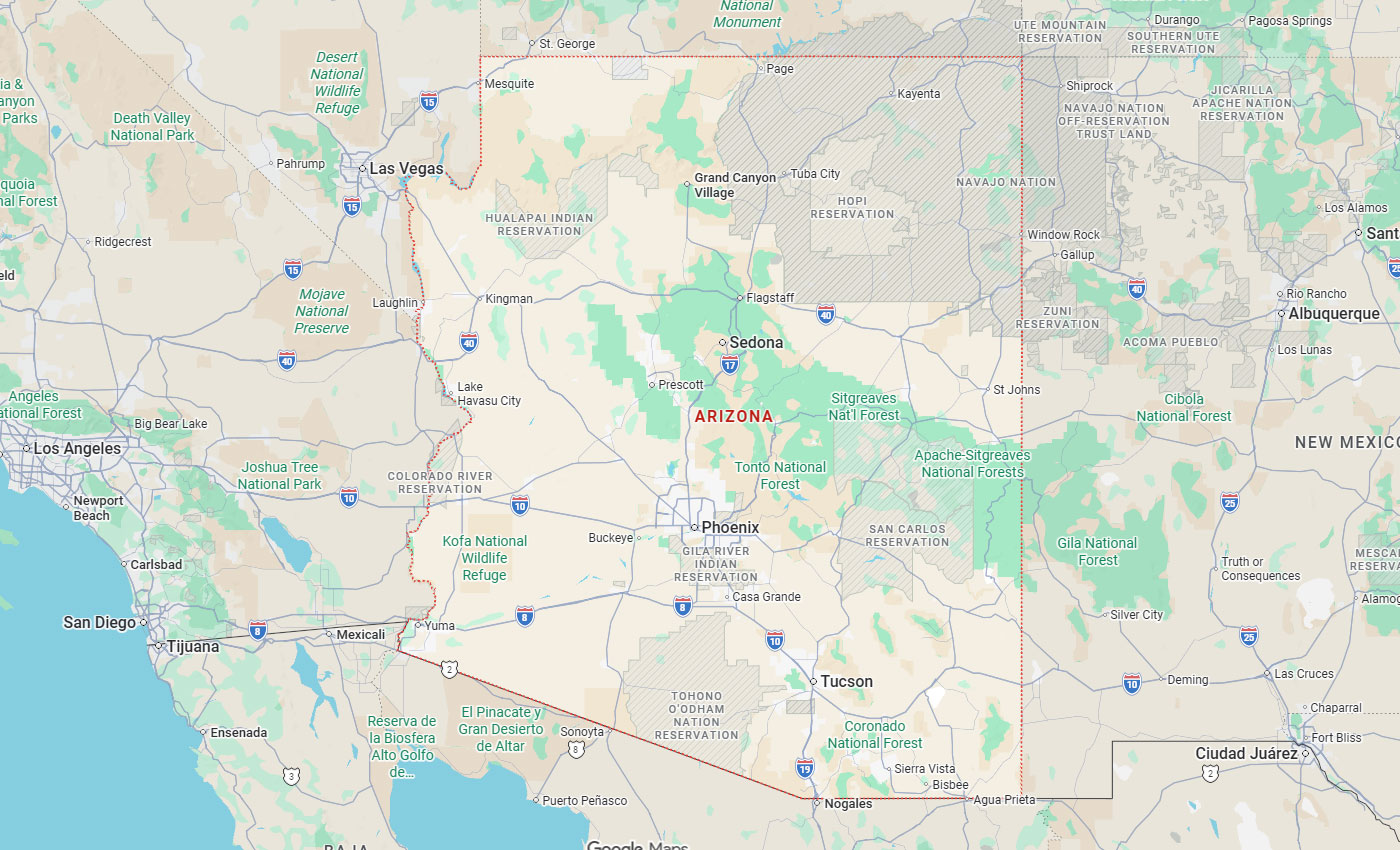
Phoenix, AZ
Key Takeaways
Subsurface Utility Engineering (SUE) plays a vital role in modern construction and infrastructure projects. It focuses on accurate mapping and detection of underground utilities, helping to mitigate risks and reduce the environmental and safety impacts of construction activities. By incorporating advanced techniques such as vacuum excavation or potholing and utility location services, SUE offers significant benefits to both the environment and workers, ensuring safer and more efficient project execution.
One of the greatest advantages of SUE is its ability to minimize the ecological impact of construction projects. Traditional methods often require invasive digging, which can damage the environment and disrupt local ecosystems. However, with private underground utility locating services, the exact location of utilities can be pinpointed without unnecessary excavation.
This means less disturbance to the surrounding environment, preserving natural habitats and reducing soil erosion. Furthermore, with advanced technology like ground-penetrating radar and non-destructive testing, we can precisely identify utility lines without causing harm to the land.
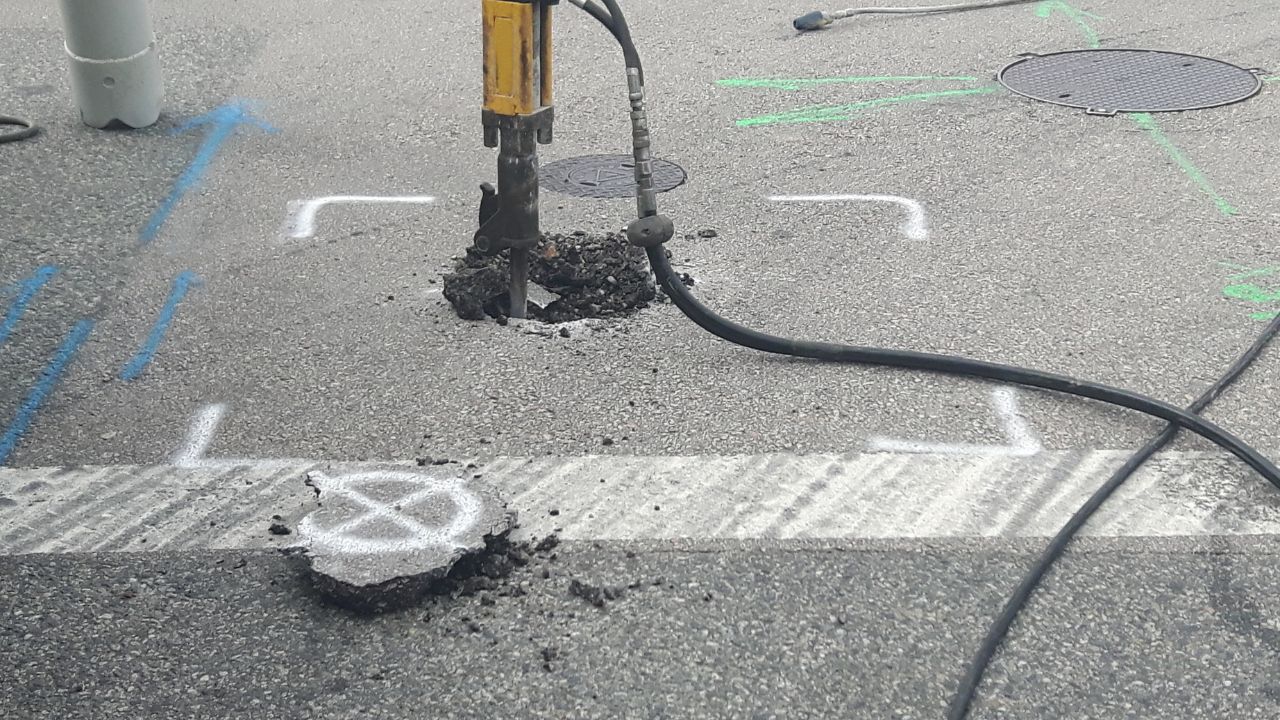
Vacuum excavation is especially effective in this regard. This technique uses high-pressure air or water to safely expose underground utilities without the need for heavy excavation. By using this method, we minimize disruption to the soil structure and surrounding vegetation, providing a perfect solution for maintaining environmental integrity while ensuring the accuracy of utility detection and mapping.
Worker safety is a priority in any construction project, and SUE practices significantly contribute to reducing risks. Utility locating services help identify potentially hazardous utilities such as gas pipelines, electrical cables, and water mains, preventing accidental strikes that could cause injuries or fatalities. By utilizing state-of-the-art utility detection equipment and adhering to strict safety protocols, the likelihood of encountering dangerous utilities during excavation work is greatly reduced.
Moreover, SUE allows for better project planning and utility coordination. By mapping out underground infrastructure ahead of time, workers can avoid areas with existing utilities, reducing the chances of unintentional utility strikes during digging or trenching. The precision of utility mapping also ensures that workers can carry out their tasks with confidence, knowing exactly where utilities are located beneath the ground.
The integration of SUE into a construction project ensures that all potential risks are identified and mitigated early in the planning stages. By obtaining accurate utility maps through advanced technology, project managers can design construction plans that avoid utility conflicts and reduce the need for last-minute changes.
This advanced preparation helps avoid delays that often arise from unexpected utility strikes, which can halt work for days or even weeks, causing disruptions to both workers and the surrounding community.
With high-quality utility data, such as that obtained from private underground utility locating services, the planning process is made significantly smoother. Utility coordination becomes streamlined, as engineers and contractors can visualize and integrate existing underground infrastructure directly into project designs.
This integration reduces project timelines, minimizes mistakes, and ultimately helps meet project deadlines with greater efficiency.
Besides protecting physical ecosystems, SUE practices also reduce the potential for environmental contamination. Striking underground pipes or cables carrying hazardous materials, such as oil, gas, or chemicals, can lead to dangerous spills, contamination of soil and groundwater, and significant environmental damage. Subsurface Utility Engineering helps identify these utility lines early on, so contractors can avoid these hazards. This foresight ensures that construction crews are not exposed to dangerous substances and minimizes the likelihood of spills that could harm the surrounding environment.
Furthermore, the non-invasive techniques used in vacuum excavation or potholing are an environmentally friendly solution that avoids damaging natural landscapes. Unlike traditional methods that involve large-scale excavation, vacuum excavation uses air or water to remove soil safely and effectively, limiting the amount of disruption to the land. This is especially important when working in sensitive areas or near natural resources.
Another benefit of SUE is the potential for cost savings. By preventing utility strikes, reducing environmental damage, and improving safety, SUE can help avoid costly project delays and damage to utilities.
Early detection of potential conflicts or issues allows for proactive solutions, preventing expensive repairs or rerouting of utilities down the line. Additionally, the use of accurate utility data helps in preparing more precise cost estimates for projects, making it easier to manage budgets and resources efficiently.
Effective communication is essential for the smooth execution of construction projects. By utilizing Subsurface Utility Engineering (SUE) practices, teams can share crucial underground utility data early in the project, promoting collaboration among engineers, contractors, and project managers. With accurate utility maps, all stakeholders have access to the same information, reducing the likelihood of miscommunications that can lead to costly errors or delays.
This collaboration extends beyond the construction phase, as having a clear understanding of underground infrastructure can also help in future maintenance and upgrades. The transparency provided by SUE ensures everyone involved is on the same page, which enhances overall project efficiency and minimizes misunderstandings.
Construction projects are often subject to stringent local, state, and federal regulations regarding safety and environmental impact. Subsurface Utility Engineering plays a crucial role in helping companies stay compliant with these laws. By using advanced utility detection technologies and mapping methods, SUE helps ensure that the construction process adheres to required safety standards, minimizing the risk of violations and legal issues. Additionally, SUE practices support sustainability by reducing the environmental impact of projects, aligning with increasingly stringent green building standards.
By implementing SUE in the planning and execution phases, contractors and developers can not only ensure regulatory compliance but also demonstrate their commitment to environmentally responsible construction practices.
For those looking to ensure the safety of workers and minimize the environmental impact of construction projects, Subsurface Utility Engineering (SUE) is the solution you need. At Bess Utility Solutions, we offer cutting-edge private utility locating services in Phoenix and surrounding cities in Arizona. Our advanced utility detection technologies provide accurate, non-invasive results. Contact us today to learn more about how our underground utility locating services can transform your construction projects, improve safety, and contribute to a greener, safer future.