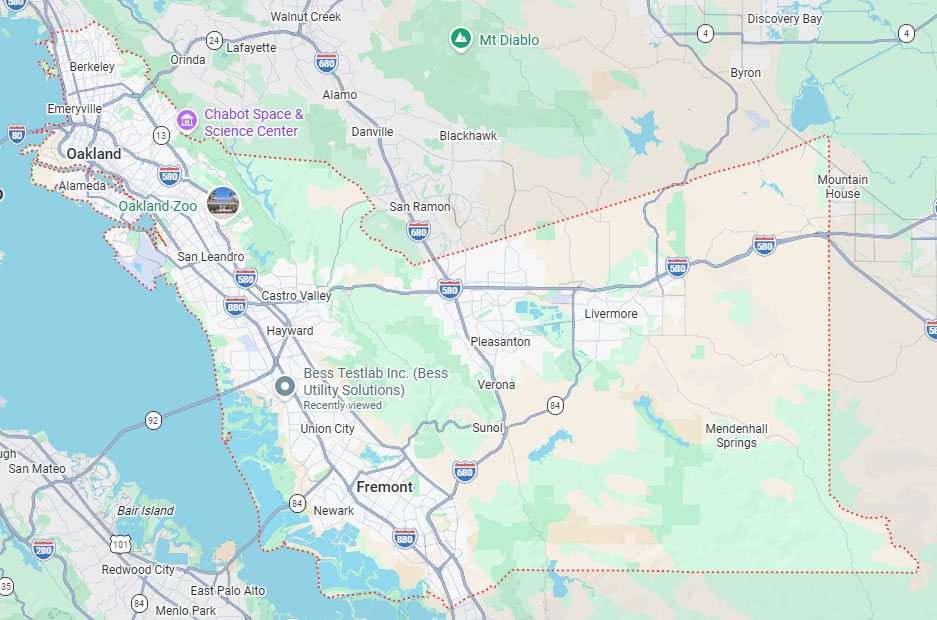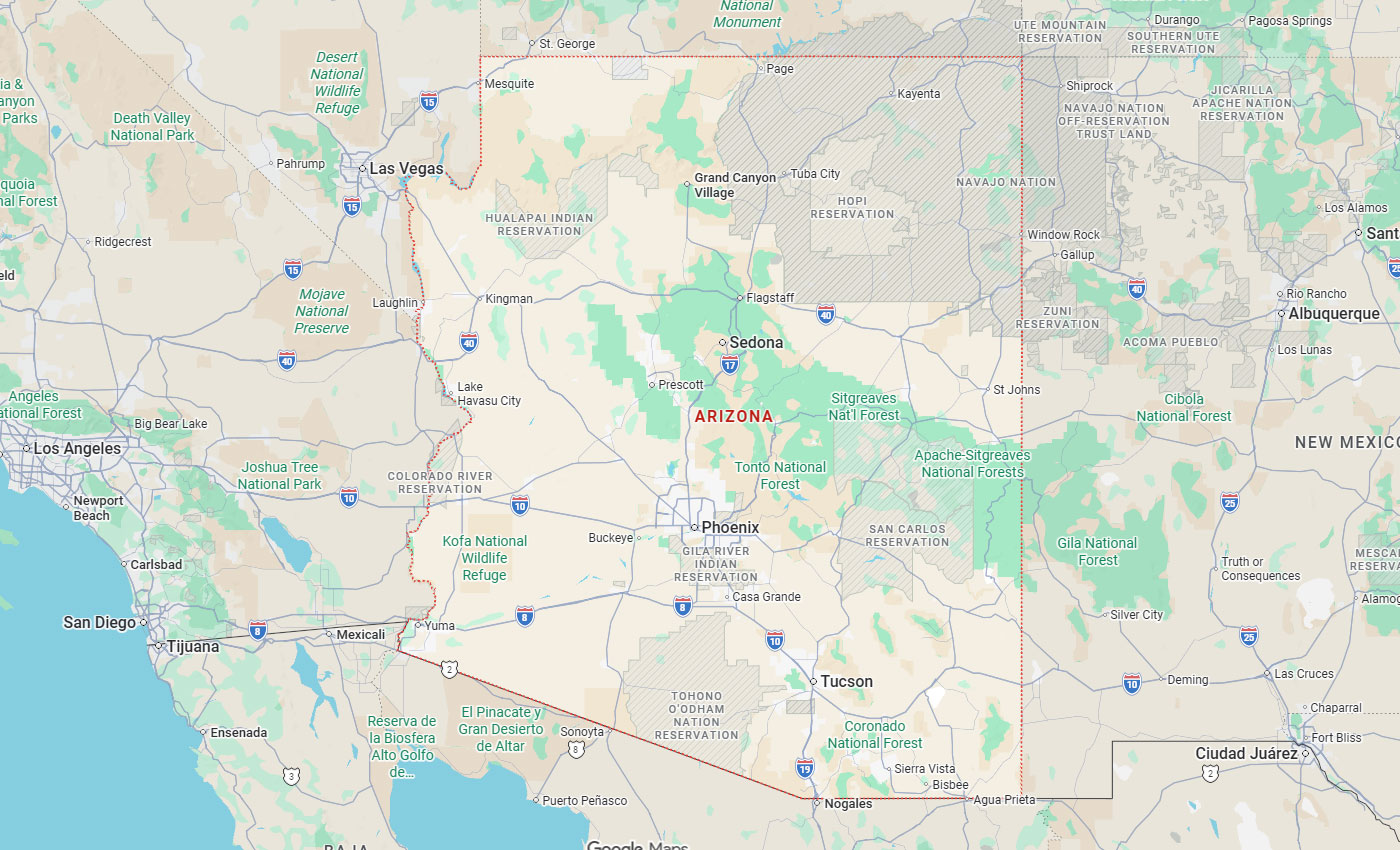
Hayward, CA
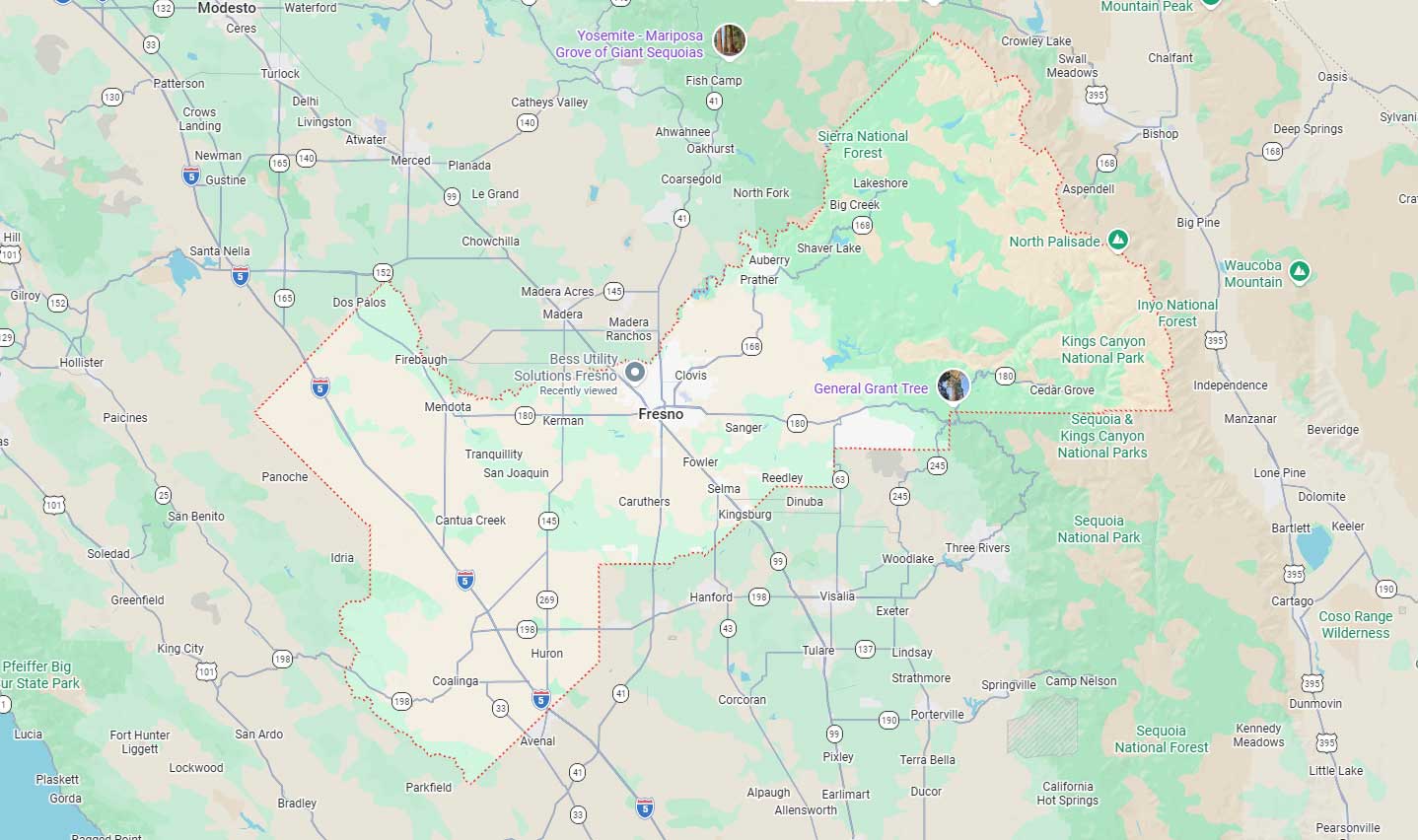
Fresno, CA
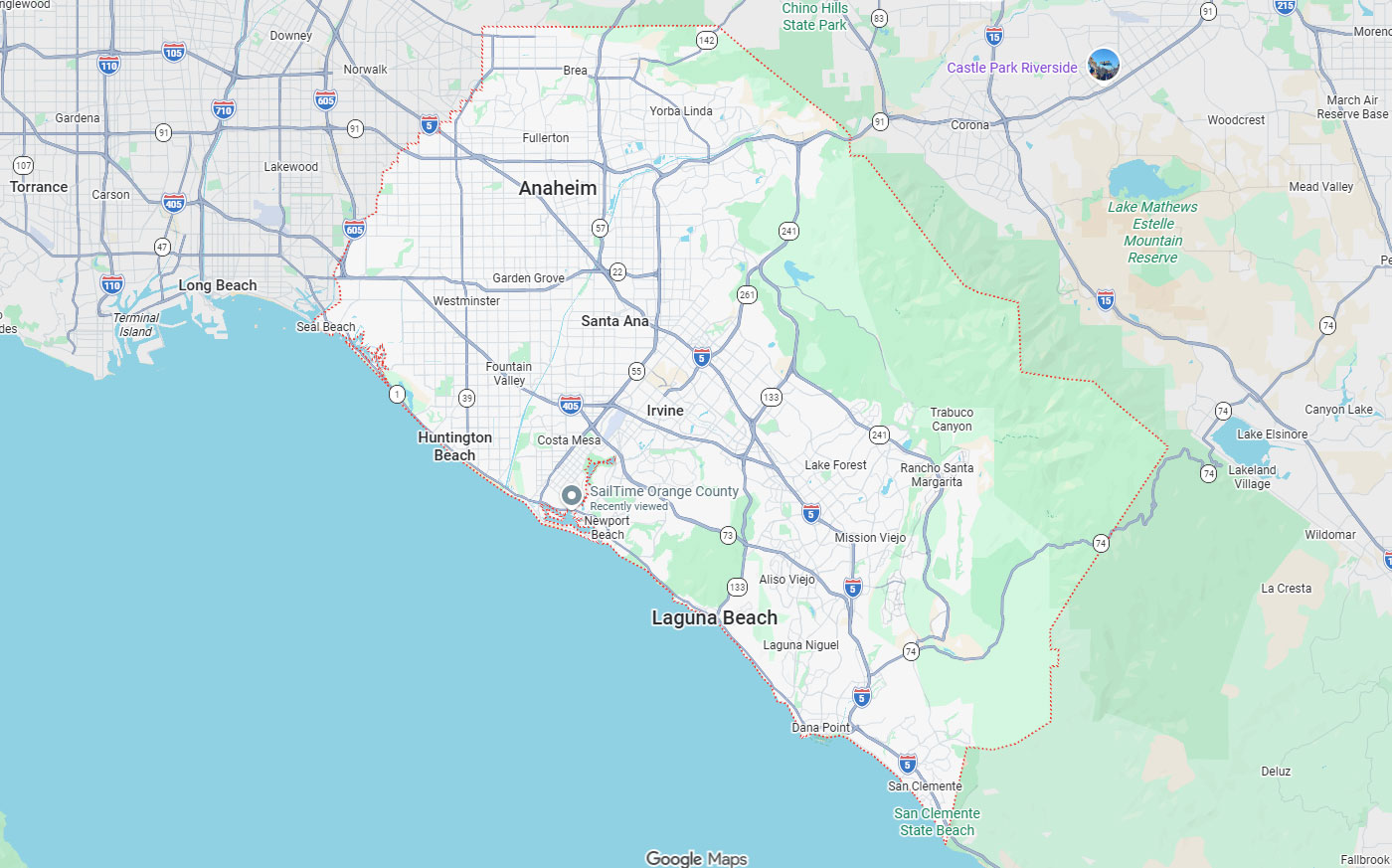
Orange, CA
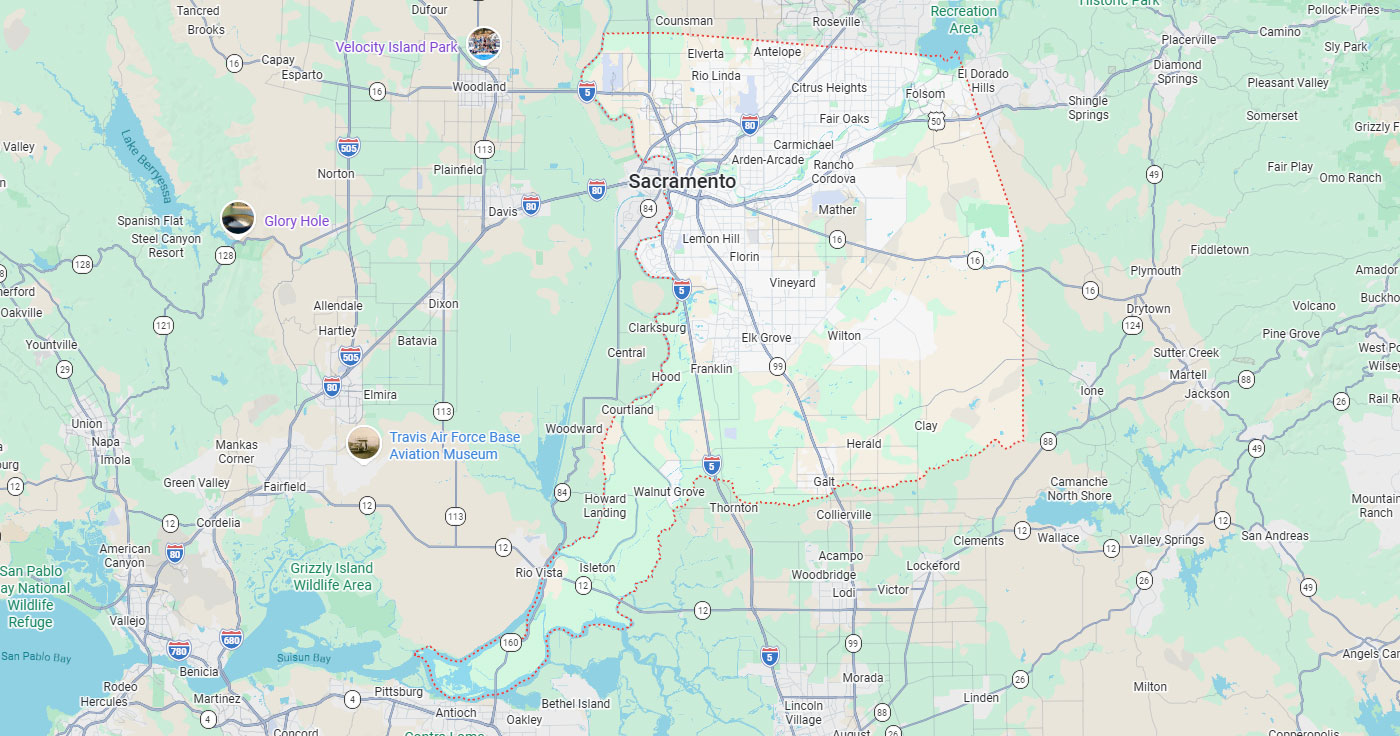
Sacramento, CA
Phoenix, AZ
Key Takeaways
Construction sites are inherently full of risks, many of which can be avoided through proactive safety measures and a well-structured approach to planning. One of the most critical areas where safety can be improved is utility mapping. Accurately locating underground utilities before beginning construction is essential to avoid potential hazards, project delays, and costly mistakes. This article explores how proper utility mapping, such as private utility locating services, can prevent incidents, ensuring that projects run smoothly and safely.
Before any construction or excavation work begins, it's vital to identify the presence and exact location of underground utilities. This includes everything from electrical cables and sewer lines to gas pipes and irrigation systems. Without proper utility mapping, workers risk damaging these utilities, leading to dangerous accidents, significant project delays, and legal repercussions.
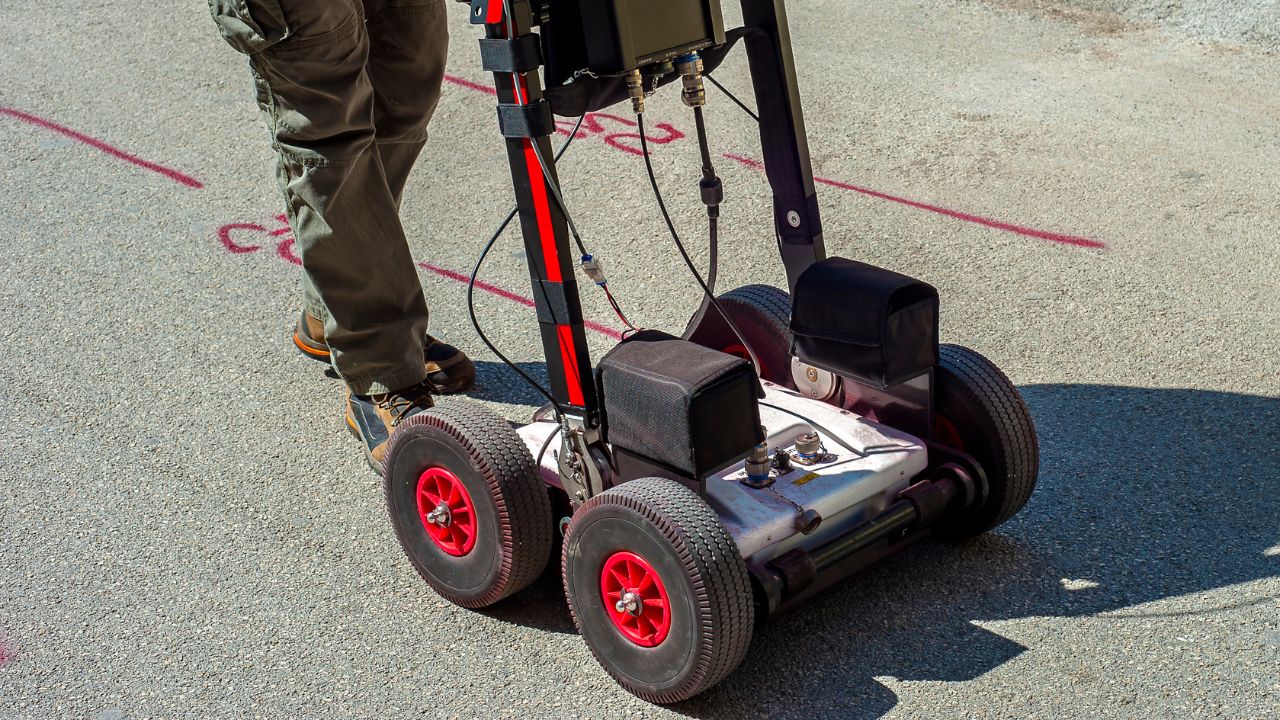
The utility mapping process typically involves a combination of advanced technologies like ground-penetrating radar (GPR), electromagnetic locators, and vacuum excavation or potholing. These tools help provide clear, precise data about the location of utilities beneath the surface. Companies offering private underground utility locating services ensure these systems are accurately mapped, protecting both workers and the infrastructure.
Numerous real-world examples highlight the importance of early utility detection and the role of private utility locating in preventing incidents. One such case involved a large construction project where a contractor failed to perform thorough utility mapping. Midway through the excavation, the crew struck a gas line, resulting in a near-disastrous explosion. Thankfully, the crew was able to evacuate in time, but the damage could have been catastrophic. This incident underlines the critical need for pre-construction utility surveys and the value of professional utility locating services.
Another case involved a public utility project where the excavation team discovered an unmarked electrical cable using advanced mapping technology. If not for the early detection, the team would have unknowingly dug into the live line, risking severe injuries and potential fatalities. By utilizing tools like electromagnetic locators and vacuum excavation, the team avoided a dangerous situation and completed the project safely.
These scenarios show how utility locating services, such as potholing and electromagnetic locators, are vital for preventing costly accidents. Early detection not only saves lives but also protects construction timelines, making it a smart investment for every project.
Modern utility locating services leverage a variety of cutting-edge technologies to ensure accurate underground mapping. Ground-penetrating radar (GPR) is one of the most commonly used tools for utility detection. It sends electromagnetic waves into the ground, which bounce back when they hit an object, revealing its location and depth. This technology provides an accurate, non-invasive method to detect everything from water pipes to power lines.
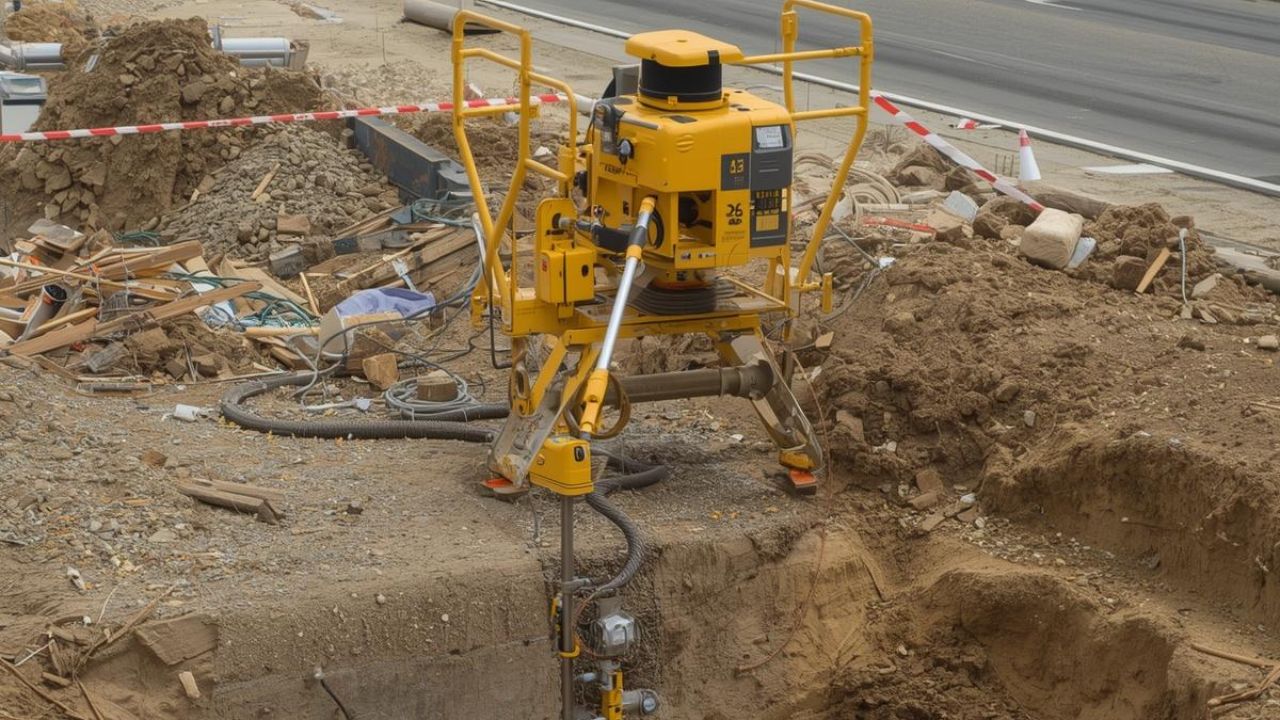
In addition to GPR, vacuum excavation is another critical technique. It uses high-powered air or water to safely expose underground utilities without causing damage. This method, known as potholing, allows contractors to verify the exact location of utilities before proceeding with excavation. This step is particularly important in areas with complex subsurface infrastructure, where visual markers or blueprints may not be available.
Utility mapping technology has advanced significantly in recent years. GIS mapping, 3D imaging, and AI-powered solutions are now integrated into many utility locating services, offering highly accurate, real-time data. These advancements help prevent errors, minimize risk, and enhance the overall safety of construction projects. Such technological innovations ensure contractors have access to the best tools available, making utility locating services more efficient and reliable than ever before.
Safety on a construction site isn’t just about protective gear and standard operating procedures; it’s also about identifying and mitigating risks before they become problems. Utility mapping plays a vital role in this process. By working with professional private utility locating companies, contractors can ensure that they meet all necessary regulatory standards and safety protocols.
One of the most important steps in hazard management is complying with legal requirements, such as contacting 811 before starting any digging activities. Public safety is the primary concern, and utility mapping helps ensure that utility lines are marked and safely avoided. By following these safety protocols and leveraging utility locating services, companies can avoid utility strikes, reduce the risk of accidents, and maintain smooth project execution.
Additionally, maintaining compliance with the Common Ground Alliance’s standards and other regulatory bodies further enhances the safety of construction operations. Understanding utility locations and depth information is key in ensuring that work is performed safely, reducing not only the risk of accidents but also the potential for costly fines and penalties.
Construction projects rely on thorough planning and accurate information. Utility mapping services, including private underground utility locating services, provide the critical data necessary to avoid hazardous incidents. With the proper use of advanced tools like ground-penetrating radar, electromagnetic locators, and vacuum excavation potholing, contractors can significantly reduce the risk of utility strikes and ensure that their projects remain on schedule.
If you're ready to improve safety on your construction site and avoid costly errors, it’s time to take action. We at Bess Utility Solutions offer top-tier utility locating services to help you accurately map underground utilities and prevent disruptions to your projects. With our advanced technology and expert team, we can ensure that your project proceeds safely, efficiently, and within regulatory standards.
Get in touch with us today to learn more about our utility locating services and how we can help you maintain a safety-first culture on your construction projects!