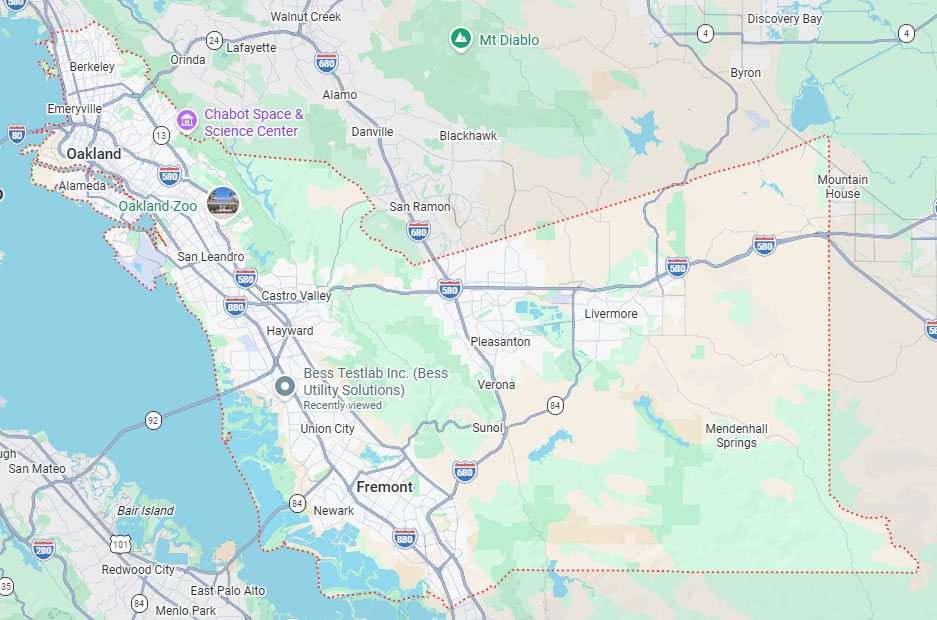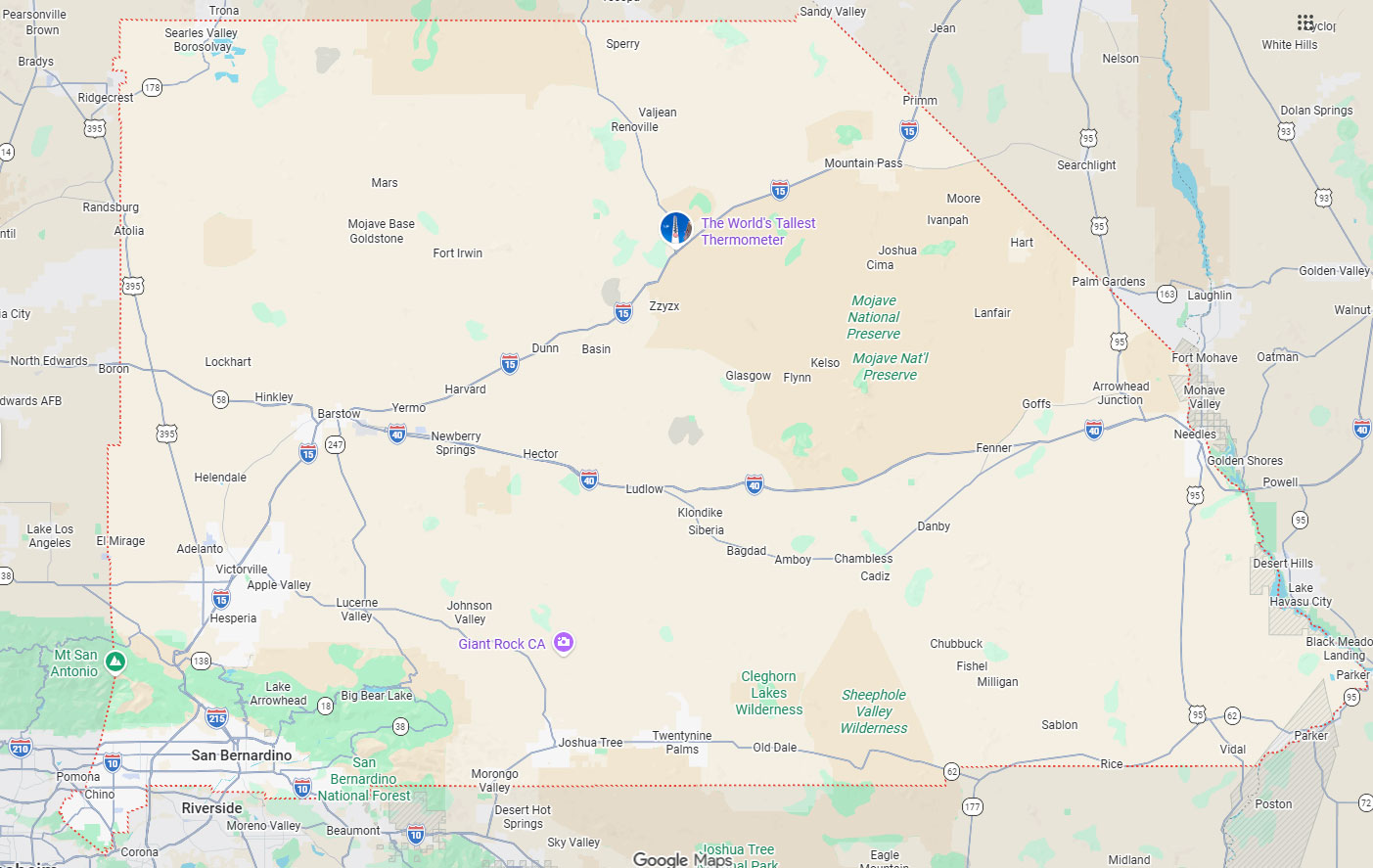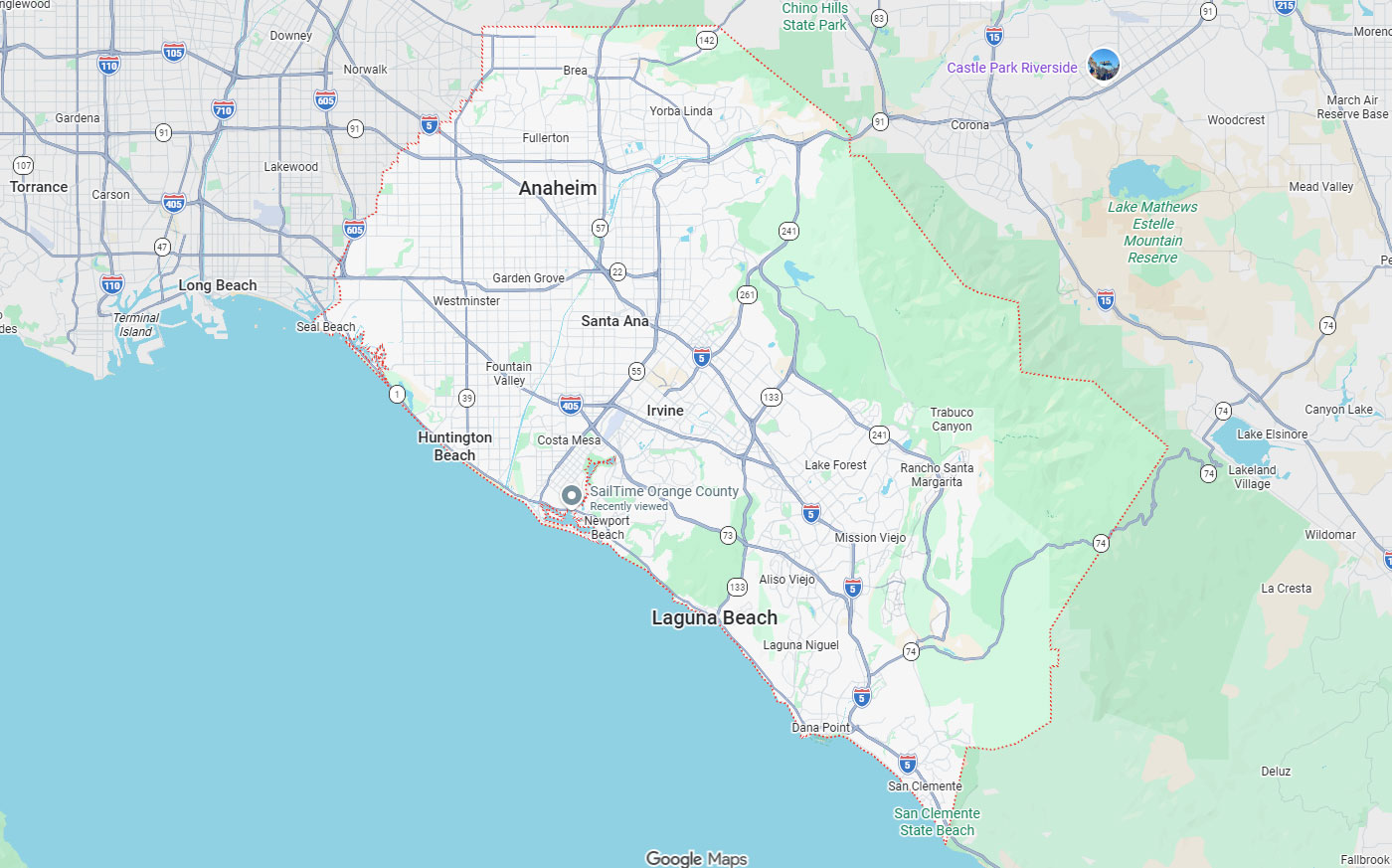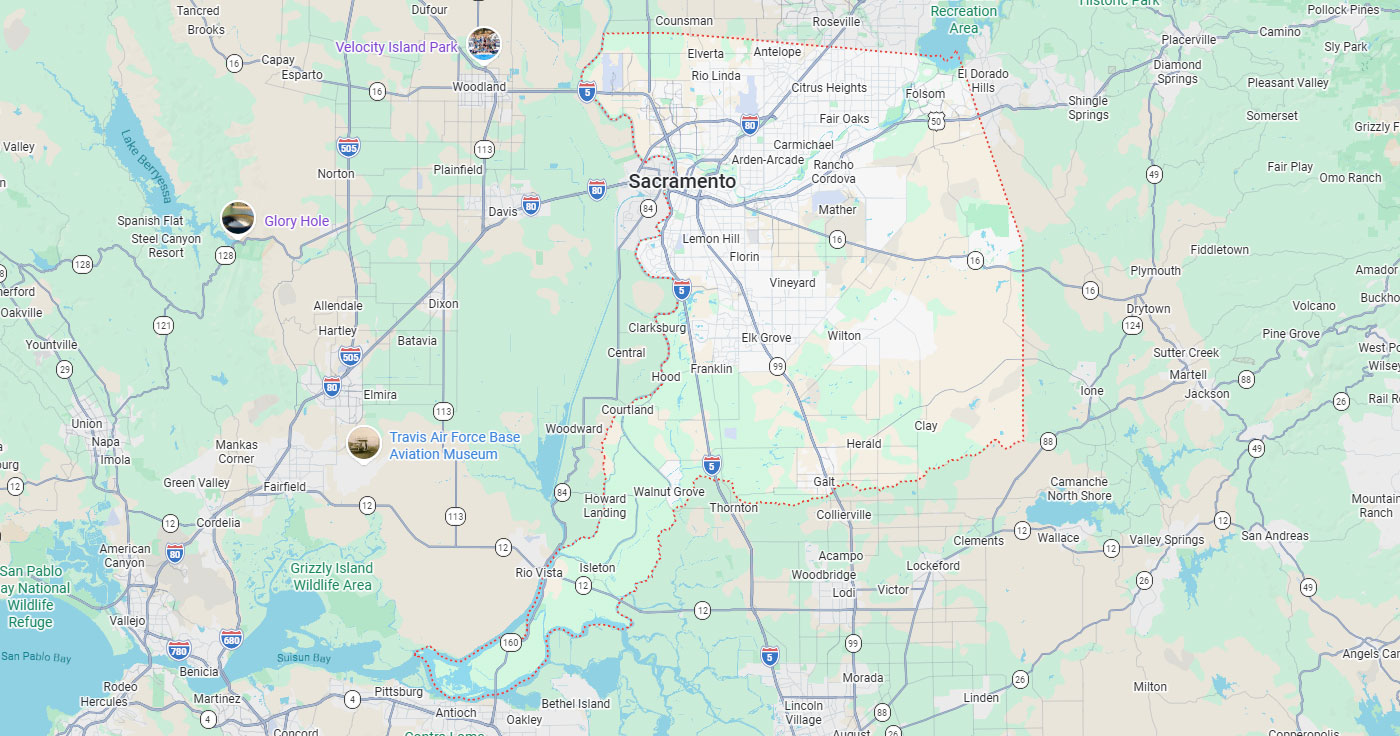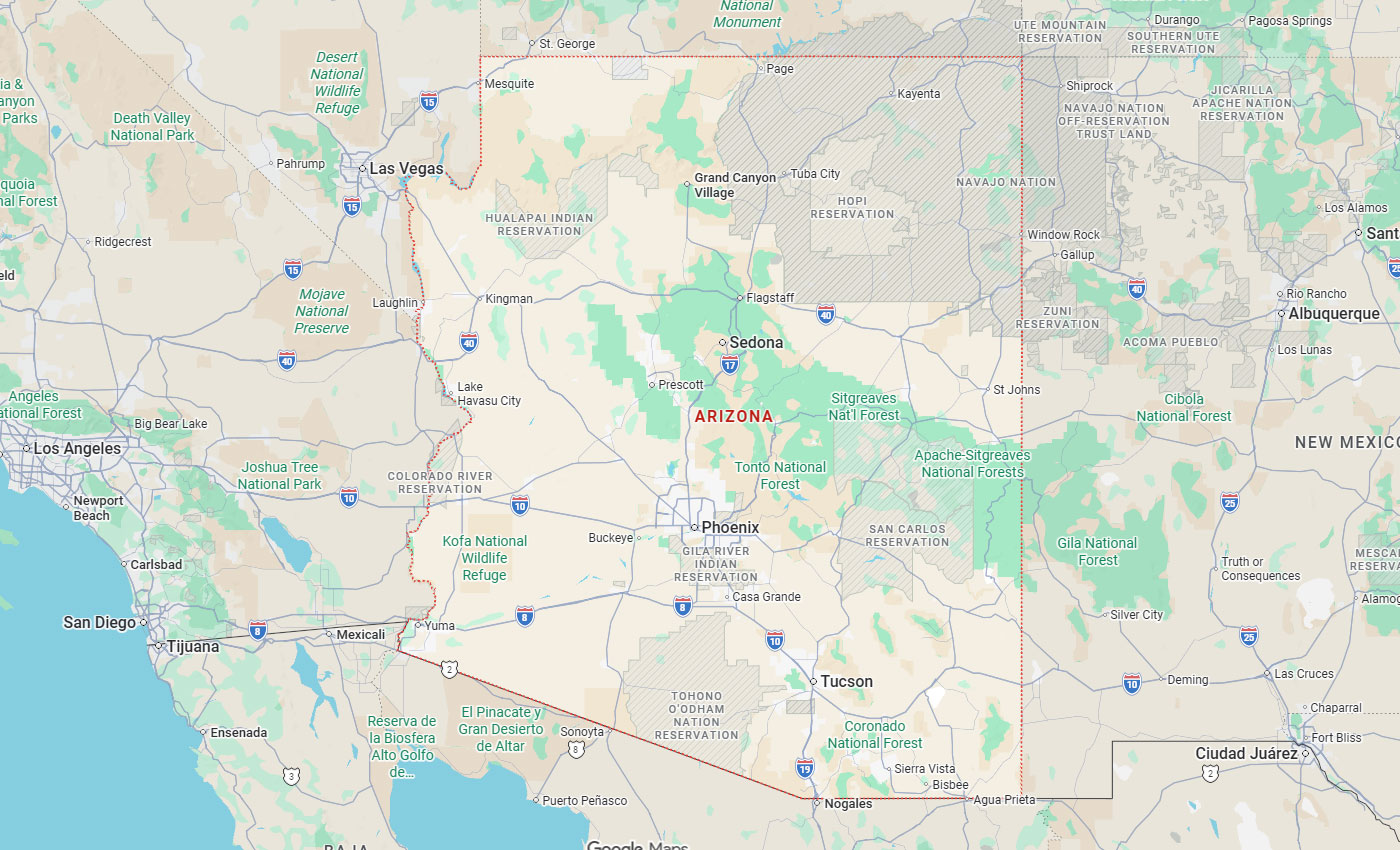
Hayward, CA
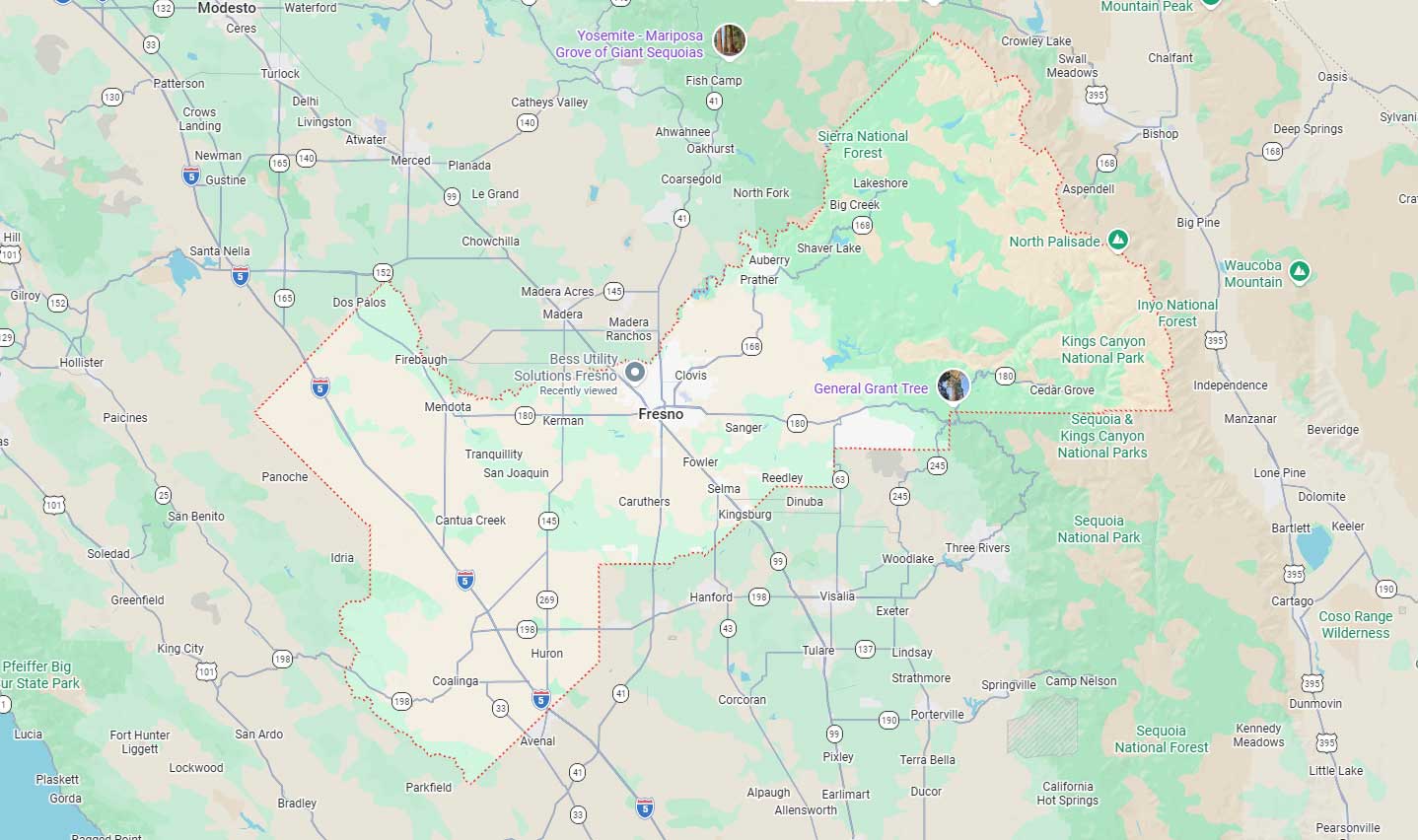
Fresno, CA
Orange, CA
Sacramento, CA
Phoenix, AZ

Hayward contractors face complex subsurface conditions demanding comprehensive pre-excavation utility locating before breaking ground. Dense urban infrastructure, aging private utilities, and stringent California regulations make professional locating services essential. Electromagnetic detection, ground-penetrating radar, and vacuum excavation provide complete subsurface awareness that free 811 services cannot deliver.
Professional underground utility locating has become the construction industry standard for hazard prevention in Hayward and throughout the Bay Area. Advanced detection technologies identify both public and private utilities, providing accurate depth measurements and detailed documentation that protect contractors from liability. With utility strikes costing an average of $4,000 per incident and potentially causing catastrophic safety events, comprehensive locating represents sound risk management.
Key Takeaways
Professional underground utility locating identifies subsurface utilities using advanced detection technologies before excavation begins. These services combine electromagnetic induction, ground-penetrating radar, and vacuum excavation to create comprehensive subsurface maps. Unlike basic 811 call-before-you-dig services that locate only public utilities, professional providers detect private lines, abandoned infrastructure, and non-metallic objects that pose significant strike risks.
The utility locator market reached $878.8 million globally in 2024 and is projected to reach $1.25 billion by 2030. North America dominates with 36.8% revenue share, driven by stringent safety regulations and infrastructure complexity. Professional services utilize multiple detection methods simultaneously to deliver engineering-grade accuracy supporting both project planning and regulatory compliance.
Electromagnetic locating uses electromagnetic induction to detect conductive utilities like metal pipes and cables. This technology held 44.5% market revenue share in 2023. EM locating provides fast, cost-effective identification of metallic utilities, but cannot detect non-metallic materials like PVC or concrete.
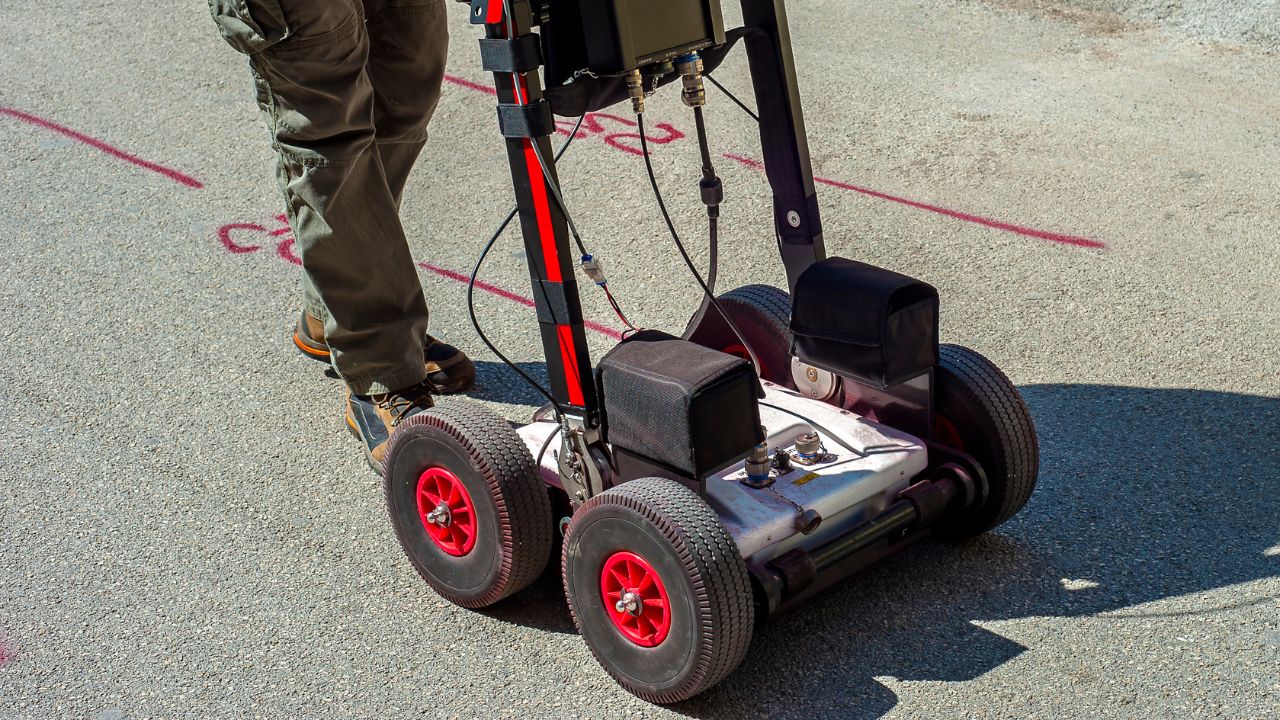
Ground-penetrating radar uses radar pulses to create subsurface images, detecting both metallic and non-metallic objects with precise depth measurements. GPR equipment costs between $14,000 and $100,000, requiring specialized training for accurate interpretation. Vacuum excavation uses high-pressure water or air to safely expose underground utilities for visual verification, providing definitive confirmation of utility location and depth. Professional full-service locating combines multiple detection methods with GPS mapping and engineering analysis for comprehensive subsurface documentation.
Professional locating services detect water lines, sewer systems, gas lines, electrical conduits, telecommunications cables, and fiber optic networks. More than 60% of all utility lines are private infrastructure, including sewer laterals, landscape lighting, and septic systems. These private utilities fall outside 811 coverage, creating responsibility gaps that only professional underground utility locating can address.
Detection capabilities extend beyond active utilities to include abandoned infrastructure, underground storage tanks, and previously unknown subsurface features. Telecommunications infrastructure represents the most frequently damaged utility type at 49% of all reported strikes nationally. Advanced detection methods identify concrete vaults, fiberglass conduits, and plastic pipe materials that traditional electromagnetic locating cannot detect.
The 811 service locates only public utilities and typically stops at property lines or utility meters, meaning 811 does not locate more than 60% of all utility lines. Understanding 811 vs. hiring a private locator helps contractors recognize coverage gaps that create project liability.
Professional services provide in-depth information, detailed mapping, and comprehensive documentation that 811 cannot deliver. California regulations require precise tolerance zone compliance, making depth measurements essential. Private locators utilize multiple technologies simultaneously, creating redundant verification that significantly reduces strike risk.
Pre-excavation utility locating prevents catastrophic strikes that cause injuries, fatalities, project delays, and massive financial losses. Utility strikes cost the U.S. economy approximately $30 billion annually in direct damages, with total economic impact reaching $91 billion when including system inefficiencies. Beyond financial consequences, why utility locating is essential for construction includes protecting workers and the public from electrocution, explosions, and toxic exposures.
California's dense urban infrastructure and aging utility systems create particularly high strike risks without comprehensive locating. Construction safety Hayward depends on identifying both marked public utilities and unmarked private infrastructure before excavation begins. Professional locating delivers the subsurface awareness necessary to comply with state tolerance zone regulations and federal OSHA excavation safety standards.
Utility strikes have caused over 400 fatalities and 2,000 injuries nationally since 2000, representing severe human costs beyond financial damage. The average cost per utility strike reaches $4,000 in direct damages, excluding downtime, legal liability, and reputational harm. Total economic impact climbs to $91 billion annually when including system inefficiencies, service disruptions, and emergency response costs.
Nearly 50% of incidents occur because the locating services were not called or were inadequate. The 2024 DIRT Report documented 196,977 unique reported damages to buried utilities. Telecommunications infrastructure experiences the most frequent damage at 49%, followed by natural gas and electrical systems that create life-threatening hazards.
Professional locating identifies energized electrical lines, pressurized gas mains, and other hazardous utilities before workers enter excavation zones. How GPR improves safety in excavation construction demonstrates how radar detection prevents contact with live utilities that electromagnetic methods might miss. Comprehensive detection reduces strike probability from nearly 50% when locating is inadequate to minimal levels when proper services are employed.
Vacuum excavation provides non-destructive exposure that confirms utility locations without risking damage from mechanical excavation equipment. GPS-mapped utility locations integrate with project plans, ensuring all crew members understand subsurface conditions throughout the construction zone.
California requires hand tools only when digging within 24 inches of the outside diameter of any utility as defined in tolerance zone regulations. This mandate makes accurate depth measurement essential, yet 811 services do not provide the depth information necessary for compliance. California Code of Regulations Section 4100 requires excavators causing or discovering damage to file reports immediately.
The California Dig Safe Act of 2016 created the Underground Facilities Safe Excavation Board to enforce safety standards and investigate violations. Federal OSHA maximum penalties for excavation safety violations can reach $165,514. Hayward contractors must navigate both state tolerance zone rules and local permitting requirements that increasingly mandate professional locating documentation.
Hayward contractors select locating methods based on project complexity, known utility types, soil conditions, and required documentation standards. Simple residential projects with primarily metallic utilities may require only electromagnetic locating, while complex commercial sites demand multi-technology approaches. Site-specific factors, including subsurface geology, utility density, and non-metallic infrastructure, drive technology selection.
Budget considerations balance upfront locating costs against strike risk and potential damage expenses, averaging $4,000 per incident. Professional contractors recognize that comprehensive locating delivers 4.62x return on investment through damage prevention and downtime avoidance. Technology selection increasingly favors combined approaches that utilize electromagnetic detection for initial sweeps and ground-penetrating radar for verification.
Electromagnetic locating excels at identifying metallic utilities, including copper water lines, steel gas mains, and aluminum electrical conduits. This method provides fast, cost-effective detection for projects where utility maps indicate primarily conductive infrastructure.
However, EM locating cannot detect non-metallic utilities like PVC pipe, concrete culverts, or fiberglass conduits. Limited depth accuracy creates uncertainty for tolerance zone compliance, particularly when California regulations require precise measurements within 24 inches. These limitations make electromagnetic detection suitable for initial identification but insufficient as a standalone solution.
Ground-penetrating radar detects both metallic and non-metallic utilities, providing complete subsurface coverage regardless of material composition. GPR delivers precise depth measurements essential for California tolerance zone compliance and safe excavation planning. The technology identifies underground voids, abandoned infrastructure, and previously unknown subsurface features that electromagnetic methods miss entirely.
GPR equipment costs between $14,000 and $100,000, representing significant capital investment that drives service pricing upward. Specialized training requirements mean only qualified technicians can operate GPR systems and interpret complex subsurface imagery accurately. How soil conditions affect GPR accuracy demonstrates that clay soils, high moisture content, and certain geological formations limit radar penetration depth and signal clarity.
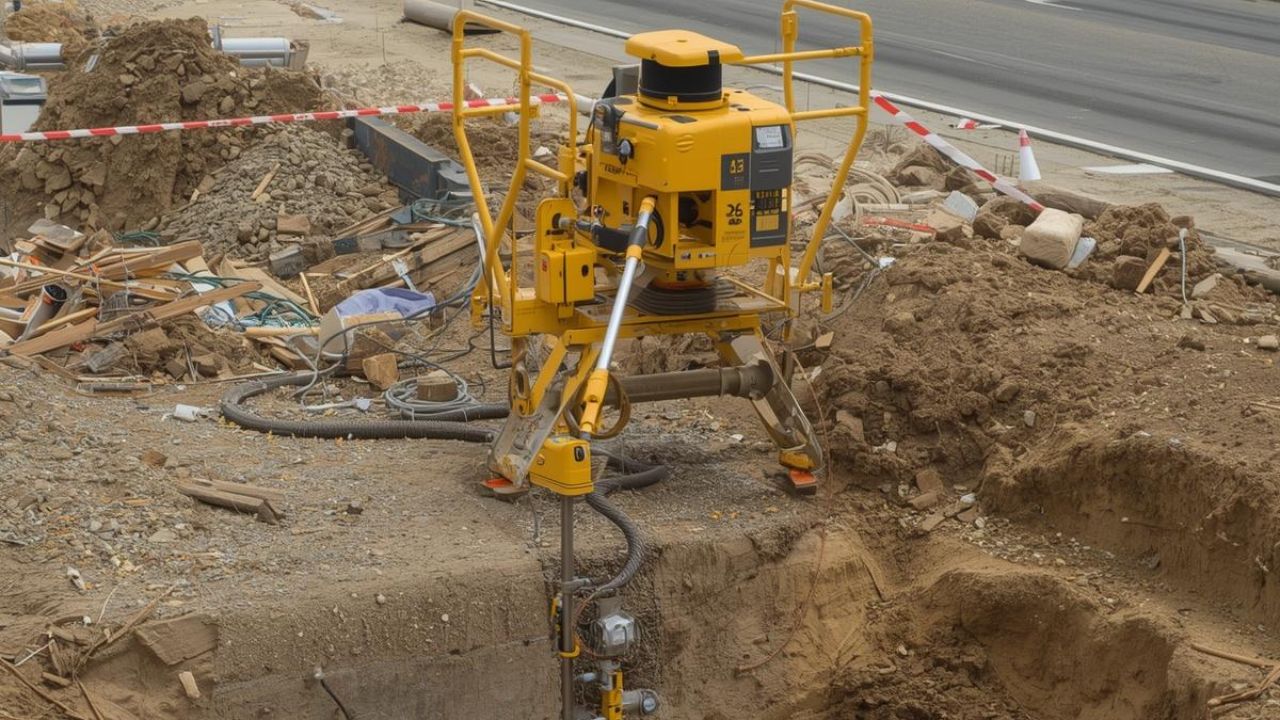
Vacuum excavation becomes necessary when projects require visual confirmation of utility location, depth, and condition before mechanical excavation begins. This method provides non-destructive exposure that eliminates strike risk during verification, particularly for congested utility corridors or aging infrastructure. The advantages of using vacuum excavation include precise potholing for horizontal directional drilling and safe utility exposure in critical tolerance zones.
Vacuum excavation operates more slowly than non-destructive scanning methods, requiring additional project time. Costs range from $75 to $200 per pothole or $500 to $1,500 per mobilization, making this method most cost-effective when combined with electromagnetic and GPR detection.
Utility locating costs vary based on project scope, required technologies, site accessibility, and deliverable documentation standards. Residential projects typically range from $150 to $800, depending on complexity and detection methods. Commercial and municipal projects command higher pricing from $800 to $5,000 based on acreage, linear footage, and the need for GPS mapping and CAD deliverables.
Service pricing reflects equipment costs, technician expertise, liability insurance, and comprehensive detection methods employed. GPR equipment costing $14,000 to $100,000 drives higher service fees compared to electromagnetic locating. Professional contractors recognize that locating expenses represent minor project costs compared to potential strike damages averaging $4,000 per incident.
Residential simple projects covering 1-2 hours and up to 0.5 acres typically cost $150 to $400 for electromagnetic detection. Residential complex projects requiring 2-4 hours and incorporating GPR technology range from $400 to $800. Commercial projects spanning half to full days across 1-5 acres command $800 to $2,500 based on utility density and required mapping detail.
Municipal and right-of-way projects priced per linear foot for 100-2,000+ feet range from $1,500 to $5,000 or more, including traffic control and GPS mapping. Industrial and campus projects covering 5+ acres over multiple days reach $3,000 to $10,000.
Every dollar spent on professional underground utility locating saves approximately $4.62 from damage prevention and downtime avoidance. This 4.62x return on investment makes comprehensive locating a sound financial decision. Projects avoiding even a single utility strike at $4,000 average cost justify substantial locating investments.
Beyond direct damage costs, professional locating prevents project delays, protects safety records, and maintains regulatory compliance that supports contractor reputation. Utility locating services prevent accidents that damage client relationships and limit future bidding opportunities. The total economic impact of utility strikes reaching $91 billion annually demonstrates system-wide costs that compound individual incident damages.
Urban areas show 72% adoption rates for professional services driven by dense infrastructure, complex utility networks, and stringent municipal regulations. These environments demonstrate 65% adoption for GPR technology, reflecting the prevalence of non-metallic utilities and the catastrophic potential of strikes in populated areas. Hayward's urban setting creates conditions where comprehensive multi-technology approaches deliver essential risk mitigation.
Rural settings exhibit lower adoption rates, reflecting reduced utility density and simpler infrastructure networks. However, rural projects increasingly encounter non-metallic materials and private utilities requiring advanced detection methods.
Construction workforce demographics influence technology adoption patterns and service preferences across contractor segments. The average construction worker age of 38 years creates a workforce dominated by Millennials and Gen-Xers, representing 71% of industry labor. This demographic shift drives increased comfort with advanced technologies and data-driven decision-making.
Regional factors, including infrastructure age, utility density, regulatory stringency, and local enforcement practices, create adoption variations across geographic markets. California's strict regulations and the Bay Area's complex urban infrastructure drive higher professional service adoption.
Younger contractors aged 18-35 show higher adoption rates for GPR and professional full-service solutions that provide digital deliverables and comprehensive documentation. This demographic values technology-enabled workflows and detailed subsurface data that integrates with project management software.
Older demographics lean more heavily on traditional electromagnetic locating methods familiar from decades of industry experience. Workers aged 55+ comprise 28% of non-Hispanic White construction workers and 21.4% of non-Hispanic Black workers. This experienced segment often prefers proven detection methods over newer technologies.
Urban contractors demonstrate 72% professional service adoption and 65% GPR technology usage, driven by complex subsurface conditions and regulatory requirements. Dense utility networks create higher strike risks and more severe consequences, including service disruptions affecting thousands of customers. Municipal permitting increasingly requires professional locating documentation before approval.
Rural contractors show lower adoption, reflecting simpler infrastructure and reduced regulatory oversight. However, rural projects increasingly encounter non-metallic utilities and private infrastructure requiring detection capabilities beyond basic electromagnetic methods.
Hispanics account for nearly one-third of the construction workforce, creating a substantial demographic segment influencing service preferences and communication approaches. Professional companies increasingly offer bilingual services and culturally appropriate communication.
The 71% Millennial and Gen-X workforce composition drives demand for digital documentation, GPS mapping, and technology-integrated workflows. This demographic expects data-driven decision support and comprehensive reporting that reduces uncertainty and supports project planning.
Skipping professional utility locating exposes contractors to catastrophic financial, legal, and safety consequences that far exceed service costs. The 196,977 unique reported utility damages in 2024 demonstrate widespread failure to implement adequate locating procedures. Nearly half of all incidents occur because the locating services were not called or proved inadequate.
An estimated 49% of U.S. homeowners plan to dig without contacting 811 beforehand, creating dangerous precedents that professional contractors cannot afford to follow. The combination of direct damage costs, regulatory penalties, project delays, and potential injuries makes comprehensive locating an essential investment. California's strict reporting requirements and substantial OSHA penalties create additional compliance imperatives beyond basic strike prevention.
Federal OSHA maximum penalties for excavation safety violations can reach $165,514, creating substantial financial exposure for non-compliant contractors. California Code of Regulations Section 4100 requires immediate damage reporting, triggering investigations that may reveal systematic safety failures. Utility strikes averaging $4,000 per incident accumulate rapidly, damaging contractor profitability and competitive positioning.
Legal liability extends beyond direct repair costs to include consequential damages from service disruptions affecting utility customers. Property damage claims, personal injury lawsuits, and regulatory enforcement actions create cascading legal expenses that dwarf initial locating costs.
The 2024 DIRT Report documented 196,977 unique reported damages to buried utilities across excavation and construction activities nationwide. Telecommunications infrastructure experiences the most frequent damage at 49% of all strikes, followed by natural gas and electrical systems.
Over 400 fatalities and 2,000 injuries have occurred since 2000 from underground utility strikes, demonstrating severe human costs beyond property damage. Gas line strikes create explosion risks, electrical contact causes electrocutions, and water main breaks flood excavations, creating drowning hazards.
A Hayward, California, home was leveled by an explosion after contractors allegedly damaged an underground gas line during excavation. This catastrophic incident demonstrates the life-threatening risks that inadequate utility locating creates in urban environments with pressurized gas infrastructure.
Bay Area utility density and aging infrastructure create conditions where seemingly routine excavations encounter unexpected hazards without proper locating. Professional services identify these risks before excavation begins, preventing incidents that destroy property and endanger lives.
Professional utility locating services provide the subsurface awareness essential for accurate project planning, regulatory compliance, and risk mitigation. Comprehensive detection prevents costly surprises that halt construction, damage equipment, and require expensive emergency repairs. GPS-mapped utility locations integrate with design documents, enabling contractors to develop excavation strategies that avoid conflicts and maintain project schedules.
Beyond strike prevention, professional services deliver documentation that protects contractors from liability when unmarked utilities appear during construction. Vacuum excavation or potholing provides visual confirmation that supports claims of due diligence when damage occurs despite proper locating procedures.
Professional locating delivers engineering-grade accuracy that supports precise excavation planning and tolerance zone compliance. GPS mapping creates permanent subsurface records that document utility locations with coordinate precision, supporting future maintenance and expansion projects.
Comprehensive documentation protects contractors from liability when previously unknown utilities appear during excavation despite proper locating procedures. Detailed reports demonstrating due diligence support insurance claims and legal defenses when damage occurs from inadequate utility records or unmarked infrastructure.
GPS-mapped utility data integrates directly with CAD drawings, building information models, and construction management software, supporting coordinated planning. Digital deliverables enable design teams to develop excavation plans, avoiding known utilities while accounting for tolerance zones and access requirements. This integration reduces change orders and prevents costly field revisions.
Professional locating early in project development supports accurate cost estimating by identifying subsurface conditions affecting excavation methods and schedules. Advance knowledge of utility conflicts enables design modifications that eliminate expensive relocations or specialty excavation techniques.
Engage professional locating services during project planning phases before finalizing designs or obtaining permits. Early detection identifies utility conflicts that design teams can address through plan modifications, avoiding expensive field changes.
Request multi-technology approaches combining electromagnetic detection, ground-penetrating radar, and vacuum verification for comprehensive subsurface coverage. Single-method detection leaves gaps that create strike risks. Insist on GPS-mapped deliverables and detailed reporting that provides documentation supporting regulatory compliance and liability protection.
Professional underground utility locating has become indispensable for Hayward contractors managing excavation projects in complex urban environments. The combination of stringent California regulations, dense subsurface infrastructure, and catastrophic strike consequences makes comprehensive locating essential for project success. With a proven 4.62x return on investment and the ability to prevent incidents costing thousands in damages, professional services represent sound business practice.
Bess Utility Solutions provides the comprehensive detection capabilities and engineering-grade documentation that Hayward contractors require for safe, compliant excavation projects. Advanced technology integration, regulatory expertise, and proven performance across thousands of projects support contractor success across residential, commercial, and municipal applications. Professional locating protects workers, maintains project schedules, and delivers the subsurface awareness that separates successful contractors from those managing preventable crises.
Bess Utility Solutions has protected Hayward contractors and Bay Area project teams for 29 years. Our licensed crews combine electromagnetic detection, GPR, and vacuum excavation to locate every utility on your site, including the private lines 811 misses. As a CPUC-certified MBE/DBE firm with 1,000+ satisfied clients, we deliver the accuracy and documentation your project requires. Contact us today to get a quote or schedule pre-excavation utility locating.