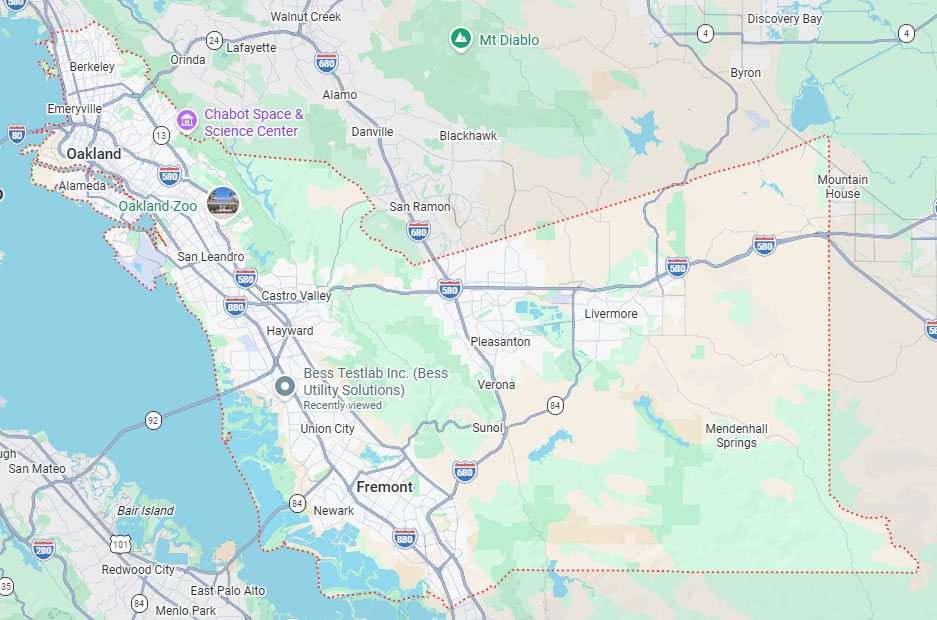
Hayward, CA
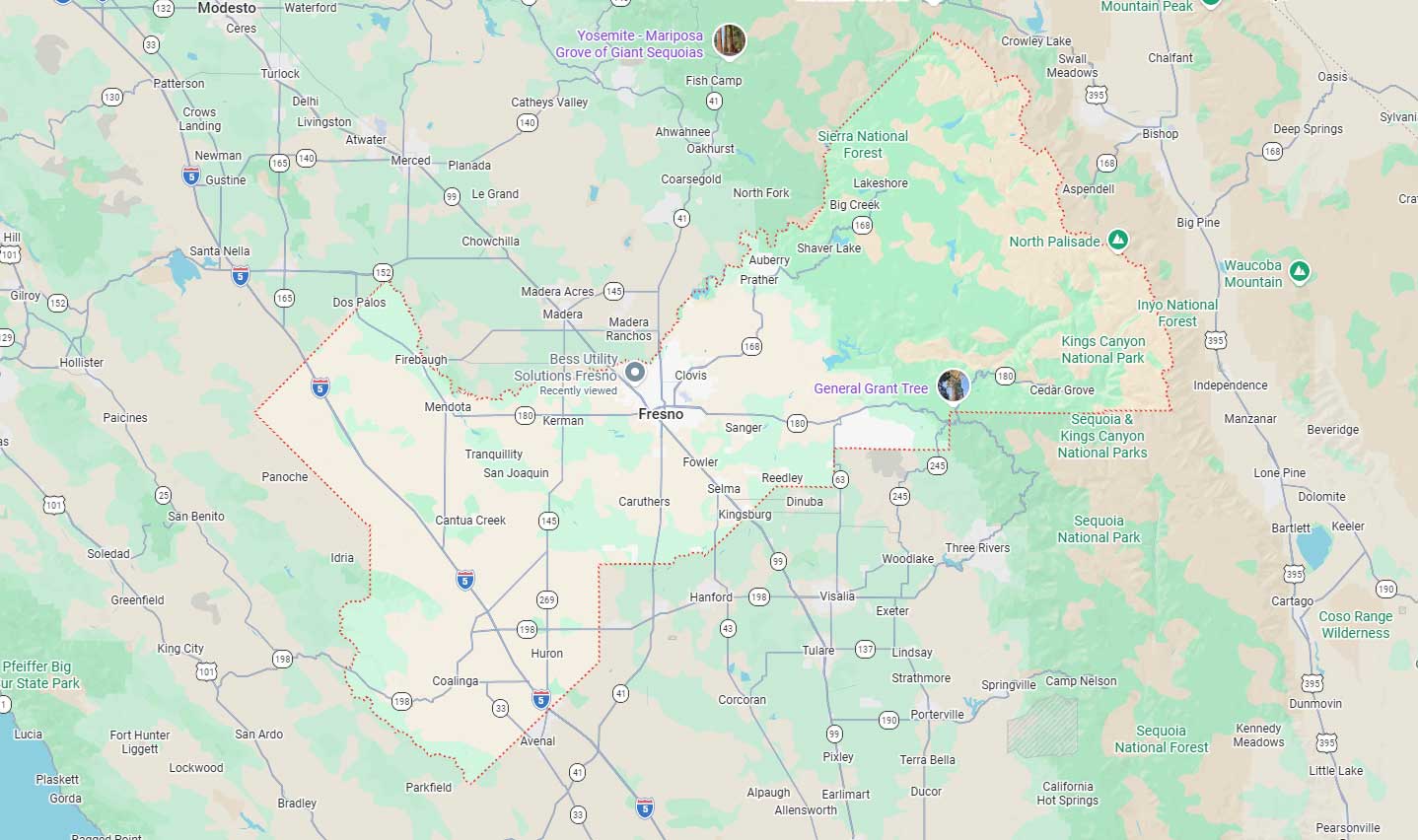
Fresno, CA
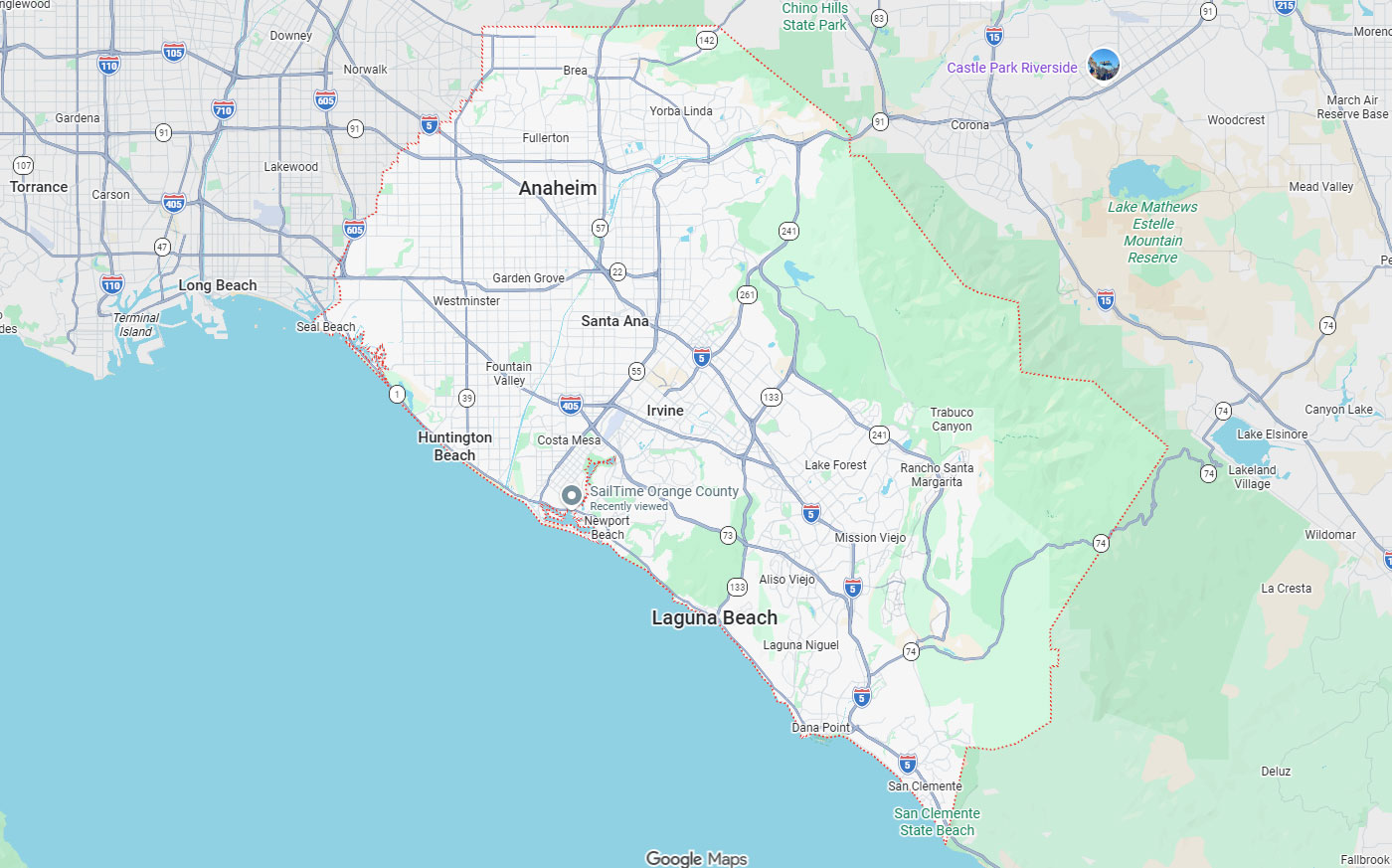
Orange, CA
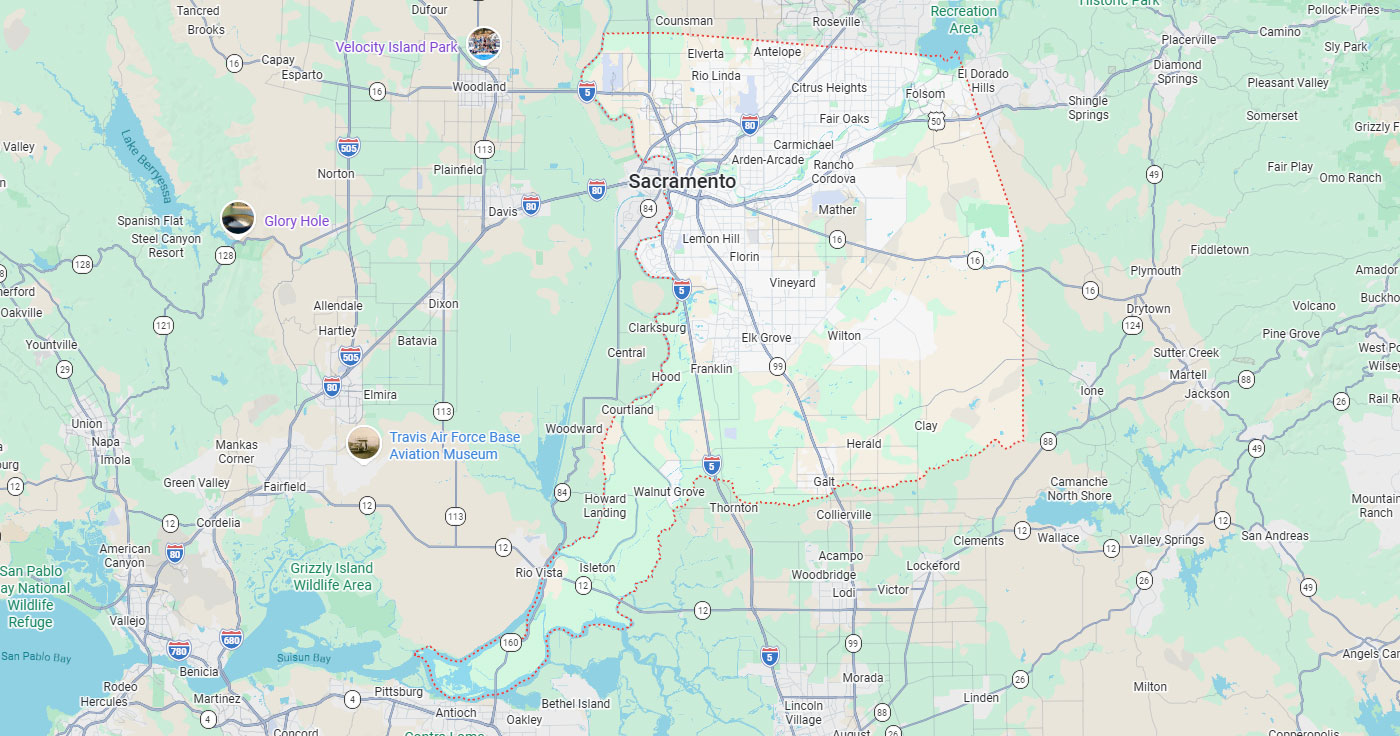
Sacramento, CA
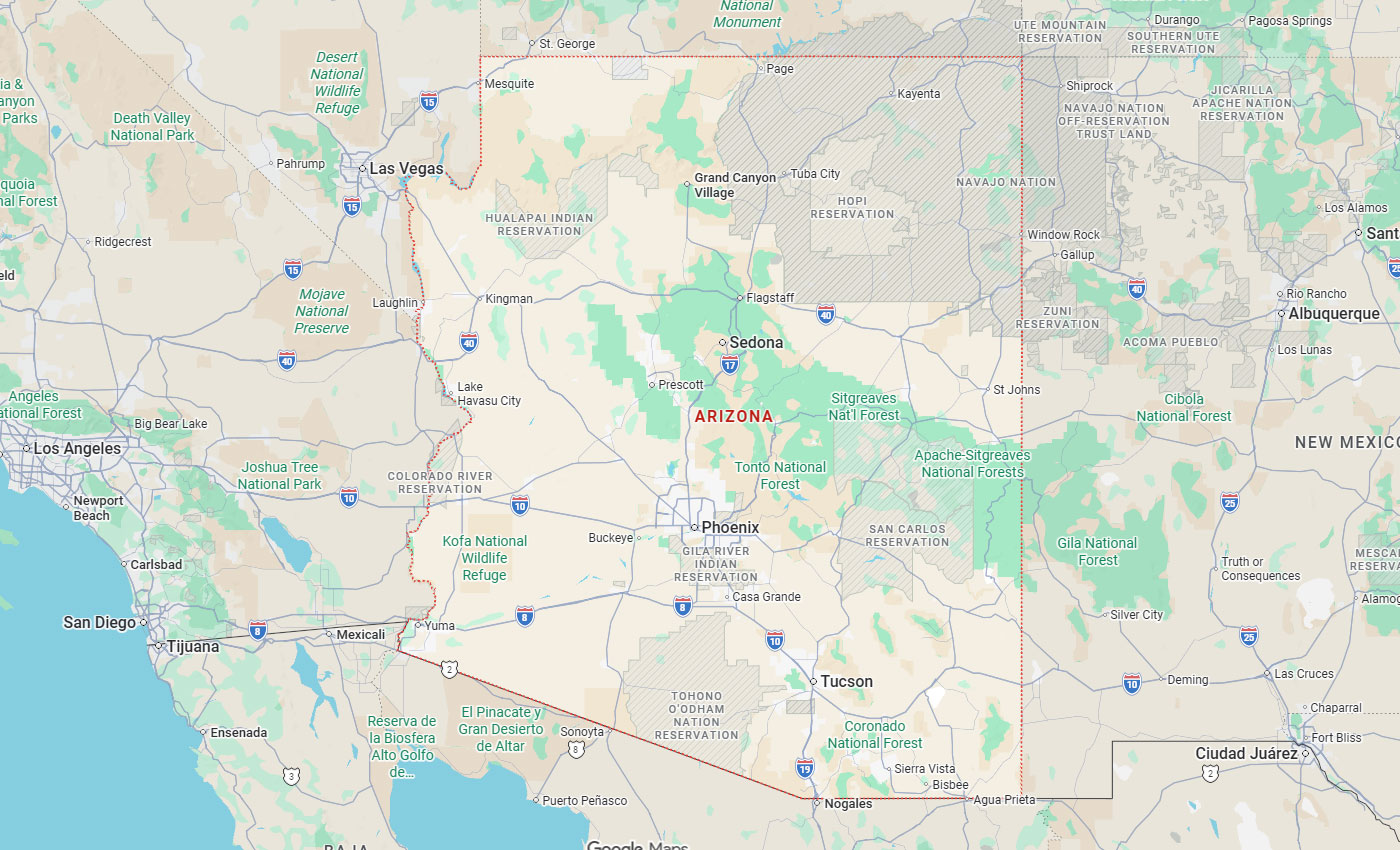
Phoenix, AZ

Key Takeaways
Every commercial contractor has heard the horror stories: a backhoe hits a gas line, the project shuts down, and costs spiral out of control. With up to 800,000 utility strikes happening across the U.S. each year, the question isn't whether your crew will encounter underground utilities—it's whether you'll find them before your equipment does.
The average utility strike costs $4,000 in direct damages, but the real number climbs much higher when factoring in project delays, fines, and lost future contracts. Meanwhile, contractors who invest in proper utility locating see returns of $4.62 for every dollar spent on prevention.
This guide distills essential lessons from experienced contractors who've learned to stay ahead of underground risks—protecting both their bottom line and their crews.
Utility locating services identify underground infrastructure before excavation on any construction project. In the construction industry, this prevents strikes to power lines, gas mains, water pipes, and telecommunications cables. Whether pulling a building permit or a Demolition Permit, construction site utility mapping protects workers and budgets.
Between 400,000 and 800,000 utility strikes occur annually in the U.S.—nearly 197,000 in 2024 alone. From 2000 to 2020, these incidents caused 1,906 injuries and 400 fatalities. Calling 811 delivers a 99% success rate. Better yet, Purdue University found that every dollar spent on private utility locating service returns $4.62 in savings. For commercial contractor safety, it's essential to have risk management.
The $4,000 average per strike only covers immediate repairs. Smart contractors calculate the full impact before every construction project.
Indirect costs routinely exceed direct repairs, with a total U.S. economic impact in the tens of billions annually. For solar contractors managing renewable energy installations or construction services handling solar projects, a single strike can void solar incentives tied to completion deadlines.
The construction industry uses two complementary approaches: the federally mandated 811 system for public utilities and private utility locating service using Subsurface Utility Engineering (SUE) technologies. ASCE 38-22 defines four quality levels (QL-D through QL-A) with increasing accuracy. For any construction project requiring application drawings, Geotechnical Studies, or work near federal buildings and nuclear facilities, understanding these methods prevents costly strikes.
| Method | Accuracy | Coverage | Best Use |
| 811 Call System | Varies by locator | Public utilities only | Required first step: 45.9M tickets in 2024; 2-3 business days notice; 38% work delay risk from incomplete responses |
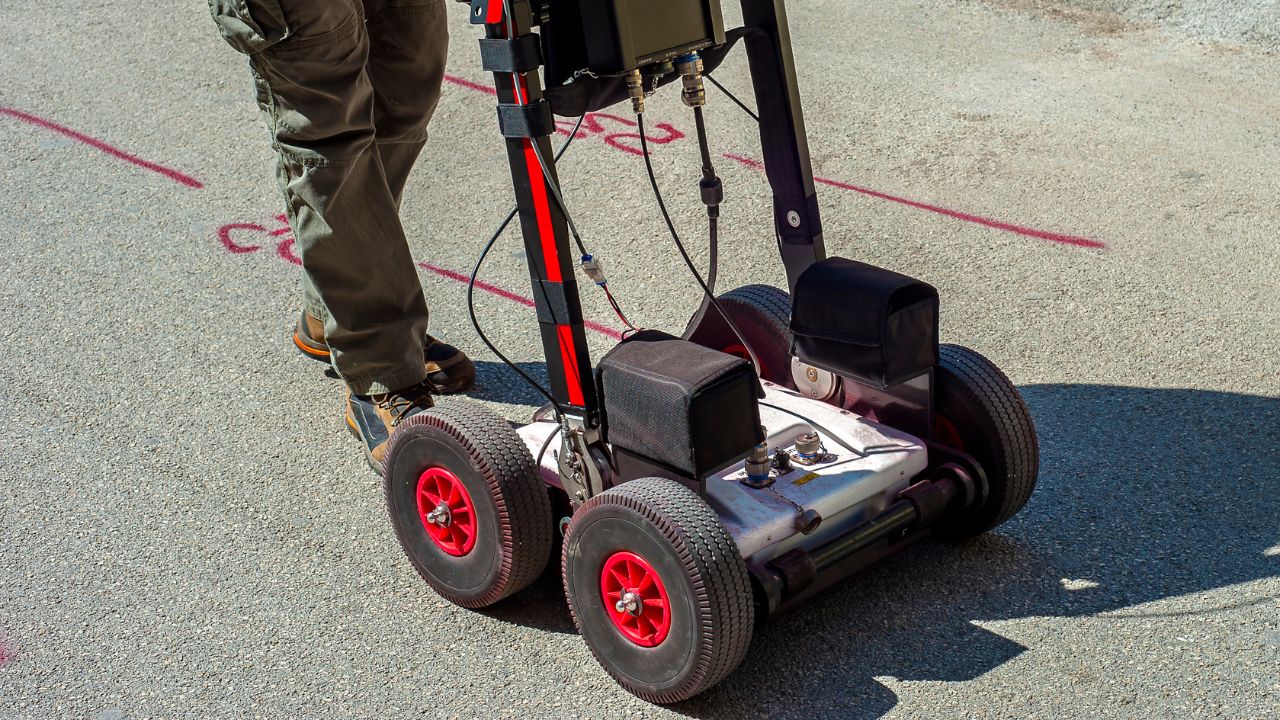
| Ground Penetrating Radar (GPR) | ±6-12 inches horizontal (QL-B) | Metallic and non-metallic utilities | Construction site utility mapping before building permit approval; ideal for solar projects and renewable energy installations |
| Electromagnetic Locators | ±6-12 inches horizontal (QL-B) | Energized cables and metallic pipes | On-site solar and community solar development; detects active power infrastructure |
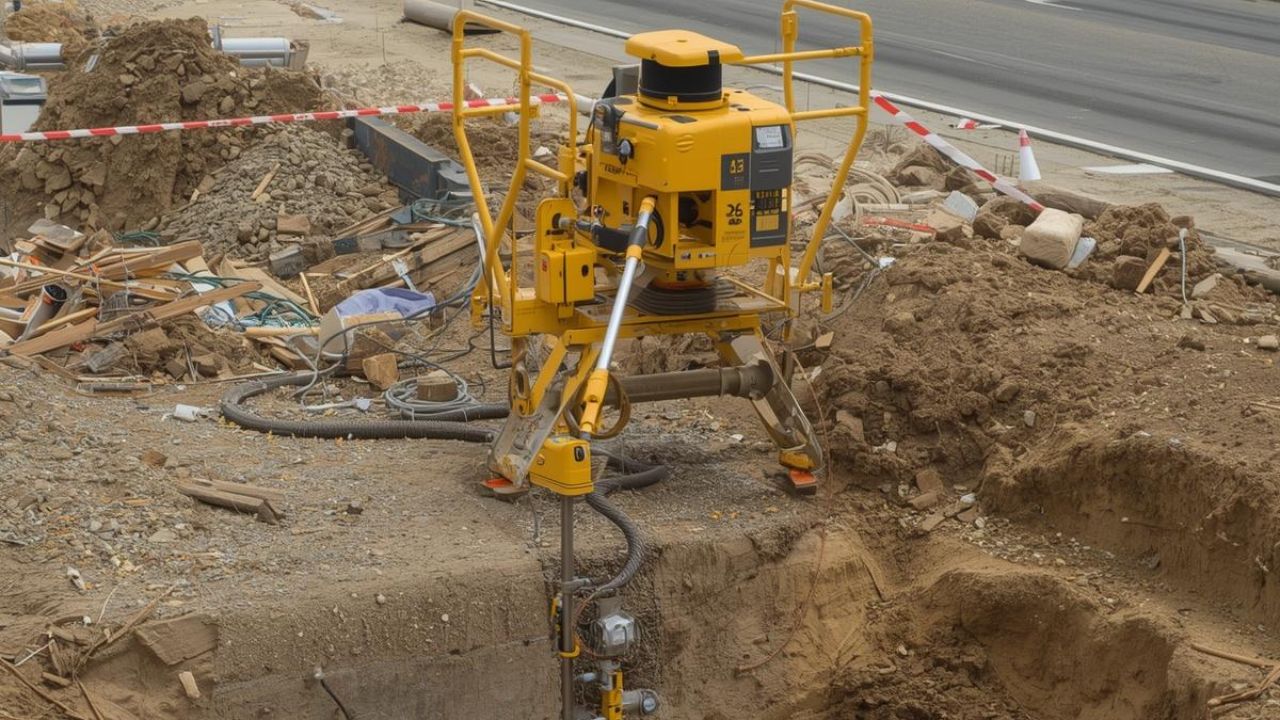
| Vacuum Excavation | <6 inches horizontal / <2 inches vertical (QL-A) | Physical exposure at critical points | Final verification for construction services near sensitive infrastructure; required for Government contract compliance and Structural Calculations |
The 811 system processed 45.9 million tickets in 2024, but covers public utilities only—leaving private lines on commercial properties unmarked. For solar contractors managing ground-mounted solar arrays or construction projects requiring Floodplain Development Permit approval, private utility locating service using GPR and vacuum excavation delivers the precision needed for permit holder compliance and Certificate of Occupancy requirements.
Commercial contractor safety depends on consistent practices across every construction project. The construction industry's top performers share common habits that separate profitable jobs from costly disasters. Whether managing solar energy installations, securing a Johnson County Contractor's License, or navigating the review process for a Residential Permit, these field-tested lessons protect crews and budgets.
Never rely solely on 811. The system covers public utilities only—private lines on commercial properties remain unmarked. Root cause analysis shows notification failures cause 26% of strikes, locating practices 34%, and excavation practices 33%. For construction services involving renewable energy or solar projects, a private utility locating service is non-negotiable before breaking ground.
Budget for SUE early in the bid stage. Investment returns profit after preventing just three strikes. Conduct risk reviews during application drawings and before the contractor's excise tax calculations. Projects requiring Geotechnical Studies or Structural Calculations near existing infrastructure demand higher-quality utility mapping.
Re-locate utilities on long-term projects. Marks fade or get destroyed over time. Construction projects extending beyond initial survey dates—common with building permit delays or contract letting changes—require re-marking before each excavation phase.
Respect tolerance zones religiously. Maintain 24-inch clearance around marked utilities. Use hand tools only until utilities are visually identified. This applies equally to Demolition Permit work and Accessory Structure Permit projects. For permit holders working near federal buildings or managing Floodplain Development Permit requirements, tolerance zone violations trigger regulatory action.
Document everything obsessively. OSHA mandates compliance records. Photograph sites before, during, and after excavation. Poor documentation means unknown true costs when disputes arise over gross receipts, owner-furnished materials, or Prime Contractor's Exemption Certificate claims. Smart contractors maintain records supporting Certificate of Compliance and Certificate of Occupancy applications.
Train crews comprehensively. Contractors with formal protocols show 76 versus 71.7 Data Quality Index scores. Training reduces incidents across all construction services—from solar contractors installing community solar arrays to teams managing Electrical construction and maintenance permits. Investment in crew competency pays immediate dividends in commercial contractor safety.
Every construction project in the construction industry operates under federal OSHA mandates and state-specific penalties. Whether securing a building permit, Johnson County Contractor's License, or managing Government contract work near federal buildings and nuclear facilities, permit holders face clear excavation safety rules. Violations affect the contractor's excise tax status, Certificate of Compliance approvals, and future contract letting opportunities.
| State | First Offense | Repeat Offenses | Notes |
| Arizona | $250 | $500 (3rd) / $2,000+ (4th+) | Training alternative available |
| Florida | $500 + court costs | Escalates with severity | Standard penalty structure |
| Kansas | Varies | Up to $5,000 maximum | Among the highest state penalties |
| Louisiana | Up to $1,000 | Enhanced within 18 months | Training option for first offense |
| Montana | $125 | $1,000 (3rd+ incidents) | Lowest first-offense penalty |
Most states offer educational alternatives for first-time offenders, though penalties escalate rapidly for contractors with poor safety records. For construction services managing solar projects or holding Johnson County Contractor Licensing, violations jeopardize Certificate of Occupancy approvals and future contracting officer relationships on Government contract work. Review process delays from safety violations compound indirect costs beyond initial fines.
The construction industry is rapidly adopting advanced technologies that transform construction site utility mapping from reactive to predictive. Machine learning, Cloud Technologies, and Data Analytics now power private utility locating service capabilities that were impossible a decade ago. For construction projects requiring Geotechnical Studies, application drawings in PDF format with vector content, and Structural Calculations, these tools deliver precision that protects both commercial contractor safety and project timelines.
AI-assisted interpretation uses Computer Science algorithms to analyze GPR data faster and more accurately than manual review. Machine learning models trained on thousands of scans identify utility patterns that human operators might miss—critical for solar contractors managing community solar installations or distributed solar energy projects where on-site solar arrays require precise subsurface mapping to avoid existing infrastructure.
Digital twins integrate BIM and GIS data to create 3D subsurface models accessible through Cloud and Mobile environments. These interactive maps allow permit holders to visualize utilities during the building permit review process—before application drawings reach final approval. Construction services firms use platforms built on Amazon Web Services infrastructure to share utility data across drafting and design teams, reducing coordination errors on Qualified Utility Projects and solar projects tied to NY-Sun incentives or Climate Act solar capacity targets.
AR visualization overlays utility locations onto real-world field views through tablets and smart glasses. Crews see underground infrastructure in context—improving safety on Demolition Permit sites, Blasting + Explosives Permit work, and Electrical construction and maintenance projects. For solar development managing ground-mounted solar installations or renewable energy construction near federal buildings, AR reduces excavation risk while accelerating schedules.
Municipal mandates are accelerating adoption. Growing numbers of agencies require SUE for public works, contract letting, and Floodplain Development Permit projects. The Federal Highway Administration has encouraged SUE on Federal-aid projects since 1991, with services eligible for Federal participation under Government contract Cost principles. For contractors managing contractors' excise tax returns, gross receipts calculations, and Prime Contractor's Exemption Certificate requirements, SUE documentation now supports exemption certificate applications and reduces indirect costs from utility strikes.
This technology integration mirrors trends across Smart Manufacturing & Digital Integration, Advanced Automation & Robotics Technology, and performance technology sectors—where data-driven precision replaces guesswork. Whether securing a Johnson County Contractor's License, Certificate of Compliance, or Certificate of Occupancy, contractors using modern utility locating technologies demonstrate the commercial contractor safety standards that contracting officers expect on Government contract work and solar incentives programs rewarding on-time renewable energy delivery.
Every construction project deserves the certainty that comes from accurate construction site utility mapping. Bess Utility Solution delivers a comprehensive private utility locating service that protects your crews, schedules, and bottom line—whether you're managing solar projects, securing building permits, or navigating complex construction services across the construction industry.
Don't let a preventable utility strike derail your next job. Our advanced utility locating services combine proven technology with field experience to ensure commercial contractor safety from the bid stage through Certificate of Occupancy. Contact Bess Utility Solution today to schedule your site assessment and join the contractors who've eliminated costly surprises underground.
Ready to locate with confidence? Reach out to Bess Utility Solution for a project consultation.